


 Ban & Monetization Policy
 MyLiveRoom Rewards Program Rules & Eligibility
From Forest to Fork: Disposable Kraft Box Embodies EU’s Circular Economy Vision
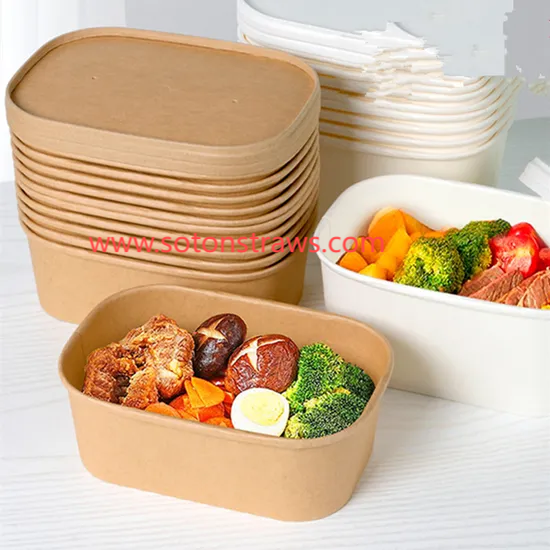
In an era where environmental rhetoric often drowns in performative gestures, the disposable kraft box emerges as a quiet revolutionary—a testament to how radical sustainability can thrive through restraint rather than spectacle. This shift aligns with the European Union’s Packaging and Packaging Waste Regulation (PPWR), which mandates that 90% of packaging materials must be recyclable by 2029 . Yet, the true innovation lies not in compliance but in reimagining simplicity: unbleached bamboo pulp, structural ingenuity, and plant-based dyes like chestnut husk extracts converge to create packaging that whispers sustainability rather than shouting it.
The philosophy begins with material integrity. Bamboo fibers, harvested from rapidly renewable sources, retain their natural amber hue—eliminating energy-intensive bleaching processes that account for 12% of traditional paper production’s carbon footprint . By leveraging the innate strength of bamboo’s cellulose matrix, manufacturers achieve tensile durability comparable to synthetic laminates, rendering plastic coatings obsolete. This approach mirrors the PPWR’s emphasis on design for recycling, where materials must retain purity to re-enter production cycles without downgrading . Crucially, the disposable kraft box avoids synthetic adhesives entirely. Instead, precision-cut interlocking tabs—inspired by ancient joinery techniques—create airtight seals through friction alone. When discarded, these boxes disassemble effortlessly, bypassing the costly separation processes that plague mixed-material packaging .
Color, too, becomes an exercise in ecological poetry. Waste streams from agriculture and forestry—walnut shells, onion skins, and tea residues—are repurposed into pigments through anaerobic fermentation. A chestnut-derived dye, for instance, develops warm terracotta tones when exposed to humidity, subtly signaling freshness changes in perishable goods. This biomimetic alert system replaces petroleum-based indicator labels, aligning with the PPWR’s ban on single-use plastics in food contact applications by 2030 . Meanwhile, the absence of inks and varnishes ensures that spent boxes decompose into non-toxic biomass within 8 weeks, nourishing urban composting initiatives like Barcelona’s Zero Waste Circular Districts .
Social resonance amplifies these innovations. In post-pandemic dining culture, where 68% of consumers prioritize allergen-safe packaging, the disposable kraft box’s inert material profile addresses rising concerns about chemical leaching . Its matte texture and earthy palette also cater to the quiet luxury trend, where understated design signals ethical consumption—a stark contrast to the garish, plastic-laden alternatives still prevalent in takeout markets . Restaurants in Kyoto and Copenhagen now use these boxes as canvases for edible art, arranging sushi or smørrebrød in ways that harmonize with the packaging’s organic aesthetics, transforming meals into multisensory meditations on waste-conscious living.
Yet challenges persist. Critics argue that unbleached materials may appear unhygienic to conditioned consumers, necessitating educational campaigns about natural fibers’ antimicrobial properties. Others highlight cost disparities: while bamboo-based production is 22% pricier than conventional paperboard, lifecycle analyses reveal net savings from reduced waste processing and carbon credits . Forward-thinking cities like Amsterdam are bridging this gap by subsidizing eco-packaging adopters, recognizing that the disposable kraft box isn’t merely a container but a catalyst for systemic change—one that aligns municipal waste targets with global climate accords.
As the PPWR’s 2040 reuse targets loom, this humble innovation embodies a broader truth: sustainability thrives not in grand gestures, but in the silent alignment of form, function, and planetary ethics. The disposable kraft box isn’t just packaging; it’s a manifesto—written in bamboo fibers and sealed without a whisper of glue.
click sotonstraws.com to reading more information
 Portuguese (Brazil)
 English
 Arabic
 French
 Spanish
 Portuguese
 Deutsch
 Turkish
 Dutch
Dutch
 Italiano
 Russian
 Romaian
 Greek
Greek
