


 Ban & Monetization Policy
 MyLiveRoom Rewards Program Rules & Eligibility
Everything to Know About IoT App Development: Tips & Benefits in 2026
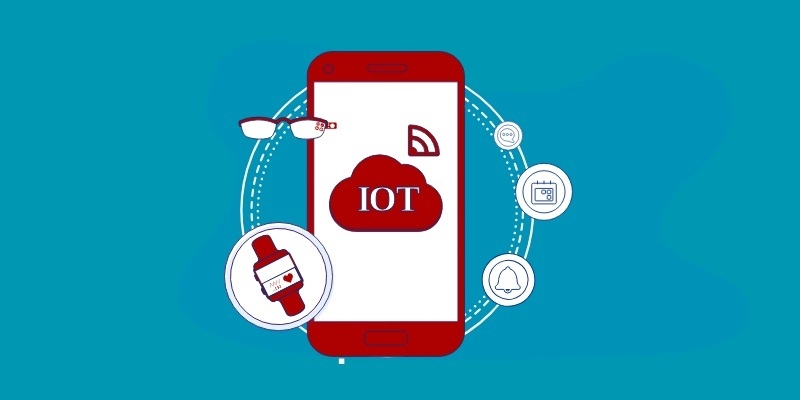
In today’s hyper-connected digital landscape, IoT (Internet of Things) has evolved into one of the most powerful and transformative technologies. By 2026, IoT is no longer an emerging trend—it has become a core component of smart homes, industries, healthcare systems, and urban infrastructure.
From smart vehicles equipped with real-time sensors to wearable health devices that continuously monitor patients, IoT is revolutionizing how we live and work. With billions of connected devices and growing smartphone penetration worldwide, mobile applications play a crucial role in managing and controlling IoT ecosystems. In this blog, we’ll explore how iOT App Development can accelerate business growth, along with key tips and benefits. But first, let’s understand the basics.
What Is the Internet of Things (IoT)?
The Internet of Things (IoT) refers to a network of interconnected devices, sensors, and systems that communicate with each other via the internet. These devices collect, exchange, and analyze data in real time, enabling automation and smarter decision-making.
IoT mobile apps act as a control hub, allowing users to monitor, manage, and interact with connected devices seamlessly. From smart homes to industrial automation, IoT is creating intelligent ecosystems across industries.
Key Tips to Build an IoT Mobile App in 2026
1: Choose the Right Technology Stack
Selecting the right technology is the foundation of successful iOT App Development. In 2026, developers must consider advanced frameworks, cloud platforms, and edge computing capabilities to ensure scalability and performance.
It’s important to choose platforms that support real-time data processing, device compatibility, and seamless integration. Additionally, designing a clean and intuitive UI is essential since mobile screens have limited space. A well-structured interface improves usability and enhances the overall user experience.
2: Select the Right Industry Focus
IoT is widely adopted across industries such as healthcare, manumfacturing, agriculture, logistics, and smart cities. Choosing the right industry helps define your app’s purpose and target audience.
While multi-industry apps are possible, focusing on a specific niche initially allows better customization, stronger engagement, and faster adoption.
3: Prioritize Advanced Security
With the rapid expansion of connected devices, security has become a critical concern. Cyber threats targeting IoT ecosystems have increased significantly, making data protection a top priority.
A Mobile App Development Company ensures the implementation of robust security measures such as end-to-end encryption, secure APIs, device authentication, and AI-powered threat detection. Building a secure IoT ecosystem enhances user trust and prevents data breaches.
4: Address Technical Challenges Early
Developing IoT applications involves multiple complexities, including device integration, real-time data handling, and system scalability. A Mobile App Development Company must tackle challenges such as:
- Cybersecurity risks
- Complex device integrations
- Data management and analytics
- AI and automation integration
- User engagement and experience
Planning ahead and consulting experienced developers can help overcome these challenges efficiently.
5: Continuous Testing and Optimization
Regular testing is essential to ensure smooth app performance and reliability. In 2026, automated testing tools and AI-driven quality assurance processes help identify issues early.
Continuous monitoring, updates, and optimization improve app stability and ensure a seamless user experience across devices and platforms.
Benefits of IoT App Development for Industries
1: Improved Connectivity and Automation
IoT enables seamless communication between machines, systems, and users. This enhanced connectivity reduces manual effort and improves operational efficiency across industries.
By integrating IoT mobile apps, businesses can automate workflows and ensure smooth coordination between different processes.
2: Efficient Production Management
In manufacturing, IoT plays a vital role in streamlining production processes. Real-time monitoring, predictive maintenance, and automated workflows help improve productivity and reduce downtime.
For businesses looking to implement such solutions, it is beneficial to hire skilled developers who can build efficient and scalable applications tailored to industry needs.
3: Smart Inventory Management
Inventory management becomes more accurate and efficient with IoT integration. Sensors and connected systems track stock levels, monitor usage patterns, and provide real-time insights.
Advanced data analytics helps businesses reduce errors, prevent overstocking, and improve supply chain efficiency.
4: Accurate Demand Forecasting
IoT-powered data analytics enables businesses to predict demand more accurately. By analyzing historical and real-time data, companies can make informed decisions regarding production and resource allocation.
This helps avoid shortages, reduce waste, and ensure timely product delivery.
Wrapping Up
IoT technology has rapidly evolved and is now a driving force behind digital transformation across industries. Businesses are increasingly investing in iOT App Development to enhance efficiency, improve customer experiences, and unlock new revenue streams.
As the demand for smart and connected solutions continues to grow, partnering with an experienced Android App Development Company can help businesses build innovative, secure, and scalable IoT applications. Looking ahead, IoT is set to create endless opportunities, making it a crucial investment for future-ready enterprises.
 Deutsch
 English
 Arabic
 French
 Spanish
 Portuguese
 Turkish
 Dutch
Dutch
 Italiano
 Russian
 Romaian
 Portuguese (Brazil)
 Greek
Greek
