


 Ban & Monetization Policy
 MyLiveRoom Rewards Program Rules & Eligibility
Deep Well Pump: Understanding Its Role and Function
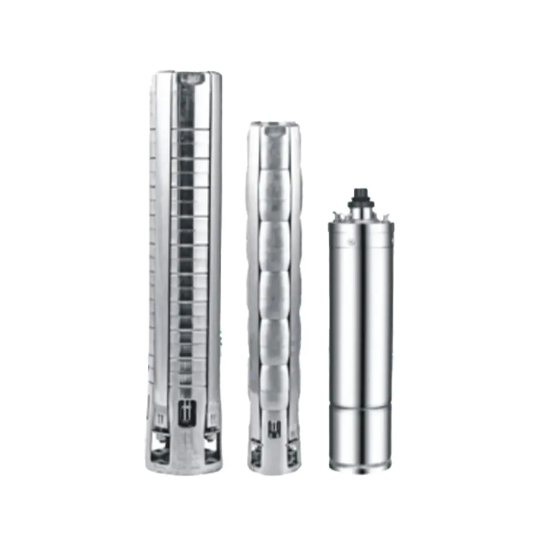
A Deep Well Pump is an essential component in many water systems, particularly for areas where water must be drawn from significant depths. Unlike shallow pumps, a deep well pump is designed to operate efficiently at depths where surface pumps cannot reach. It provides a reliable way to supply water for residential, agricultural, and industrial purposes.
One of the primary features of a deep well pump is its ability to lift water from substantial depths without losing efficiency. This type of pump is typically installed in wells that exceed 25 feet, where conventional pumps may struggle to maintain consistent water flow. The pump works by using either a vertical turbine or submersible mechanism, depending on the application and installation requirements.
When considering a deep well pump for a water system, several factors should be evaluated. The depth of the water source is critical, as it directly affects the type and size of the pump required. Additionally, the pump's flow rate must match the water demand. Residential systems may require lower flow rates, whereas agricultural and industrial applications often need pumps capable of handling larger volumes. Ensuring the correct flow rate helps prevent overloading the pump and can extend its operational lifespan.
Another aspect to consider is the pump's material and construction. Components in contact with water should resist corrosion and wear, especially in wells with high mineral content. Many deep well pumps are made with stainless steel or other durable materials that withstand prolonged submersion and varying water quality. Regular maintenance, including checking bearings and impellers, can keep the pump operating effectively and reduce unexpected downtime.
Energy efficiency is also an important factor. Deep well pumps can consume significant amounts of electricity, particularly in larger installations. Selecting a pump that matches the well's depth and water demand can reduce energy consumption while maintaining adequate water supply. Some modern systems include variable speed drives, which adjust pump operation according to real-time water needs, providing both flexibility and efficiency.
Installation of a deep well pump requires careful planning. The pump must be positioned at the correct depth to ensure proper suction and prevent cavitation. Additionally, the piping system and valves should be designed to handle the pump's flow rate and pressure. Consulting with professionals experienced in well systems can ensure that the pump is installed correctly and performs reliably over time.
A Deep Well Pump is a versatile and reliable solution for accessing water from considerable depths. By understanding the system's requirements, including depth, flow rate, and water quality, users can select a pump that provides consistent performance. Proper installation and regular maintenance further support long-term operation, making the deep well pump an important element in many water distribution systems.
 Deutsch
 English
 Arabic
 French
 Spanish
 Portuguese
 Turkish
 Dutch
Dutch
 Italiano
 Russian
 Romaian
 Portuguese (Brazil)
 Greek
Greek
