


 Ban & Monetization Policy
 MyLiveRoom Rewards Program Rules & Eligibility
How to Choose the Right Plastic PCR Plate for Your Laboratory Work
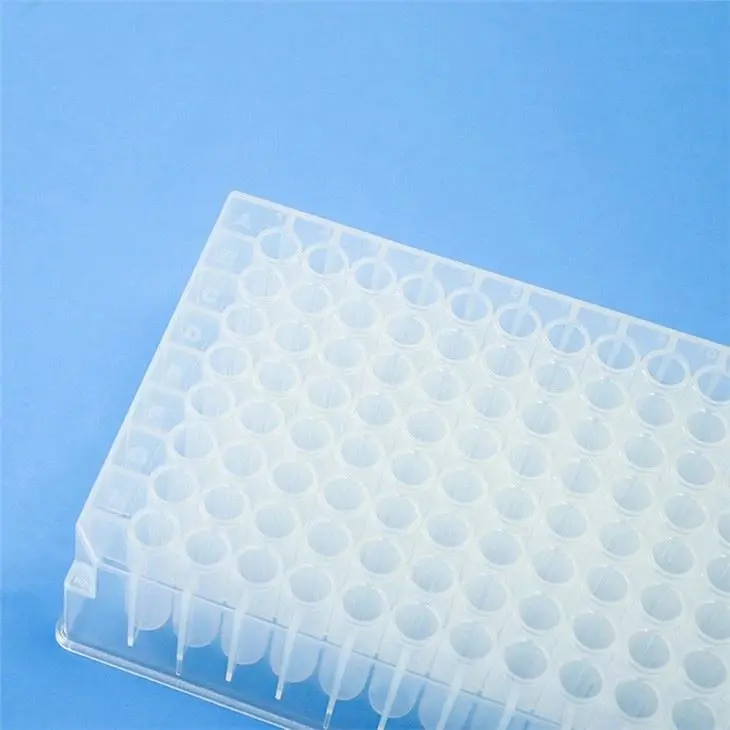
The plastic PCR plate has become an essential component in laboratories that conduct molecular biology experiments, especially those involving polymerase chain reaction (PCR). Designed to hold multiple samples at once, this plate is used in thermal cyclers to facilitate DNA amplification. Its material, layout, and compatibility with different equipment play a crucial role in experimental success.
A plastic PCR plate is typically made from polypropylene, a material chosen for its thermal stability and chemical resistance. This allows the plate to withstand the rapid temperature changes required during PCR cycling. The plastic must maintain structural integrity while enabling efficient heat transfer to the samples inside each well.
These plates come in various formats, including 96-well, 384-well, and 48-well designs, depending on the throughput needs of the lab. The 96-well plastic PCR plate is perhaps the most commonly used format due to its balance between sample capacity and compatibility with standard thermal cyclers.
Another important consideration is the skirt type of the plastic PCR plate. Options include non-skirted, semi-skirted, and fully skirted plates. Skirt design affects the plate’s rigidity and compatibility with robotic handling systems or automated workflows. For labs using high-throughput systems, selecting the appropriate skirt style ensures smooth operation and consistent results.
Sealing is a critical factor when working with a plastic PCR plate. Proper sealing helps prevent evaporation and cross-contamination between wells. Different sealing methods, such as adhesive films, cap strips, or heat sealing, may be used depending on the application and required level of protection.
The plastic PCR plate is often manufactured under sterile and DNase/RNase-free conditions to prevent contamination that could compromise PCR accuracy. This is especially important in clinical diagnostics or forensic labs where sample integrity is vital.
In terms of application, the plastic PCR plate is widely used not only for PCR but also for real-time PCR (qPCR), genotyping, sequencing, and other genetic analysis workflows. The transparency or opacity of the plastic may vary depending on whether fluorescence-based detection methods are being used.
Users must also ensure that their plastic PCR plate is compatible with the specific thermal cycler model in use. Plate dimensions, well spacing, and thermal uniformity can all influence PCR efficiency. Manufacturers typically provide compatibility guides to help users choose the correct format.
Cost-effectiveness is another factor influencing the selection of a plastic PCR plate. While single-use plates reduce the risk of contamination, some laboratories may consider reusable plates with careful cleaning protocols. However, this is only feasible when the material can withstand repeated thermal cycling without deformation.
Environmental considerations are also becoming more relevant. Since the plastic PCR plate is often disposable, proper waste handling and recycling programs are encouraged where possible. Some manufacturers now explore alternative materials or sustainable packaging to reduce the environmental impact.
The plastic PCR plate serves as a fundamental item in molecular biology labs, offering flexibility and functionality for a wide range of applications. Understanding the variations in format, material, and compatibility helps researchers choose the right plate for their workflow, contributing to more consistent and reliable results.
https://www.pipettetipfactory.com/product/multipurpose-tube-rack/centrifuge-tube-rack/
 Turkish
 English
 Arabic
 French
 Spanish
 Portuguese
 Deutsch
 Dutch
Dutch
 Italiano
 Russian
 Romaian
 Portuguese (Brazil)
 Greek
Greek
