


 Ban & Monetization Policy
 MyLiveRoom Rewards Program Rules & Eligibility
Reduce Blade Breakage Risk While Operating a Vertical Band Saw Safely and Efficiently
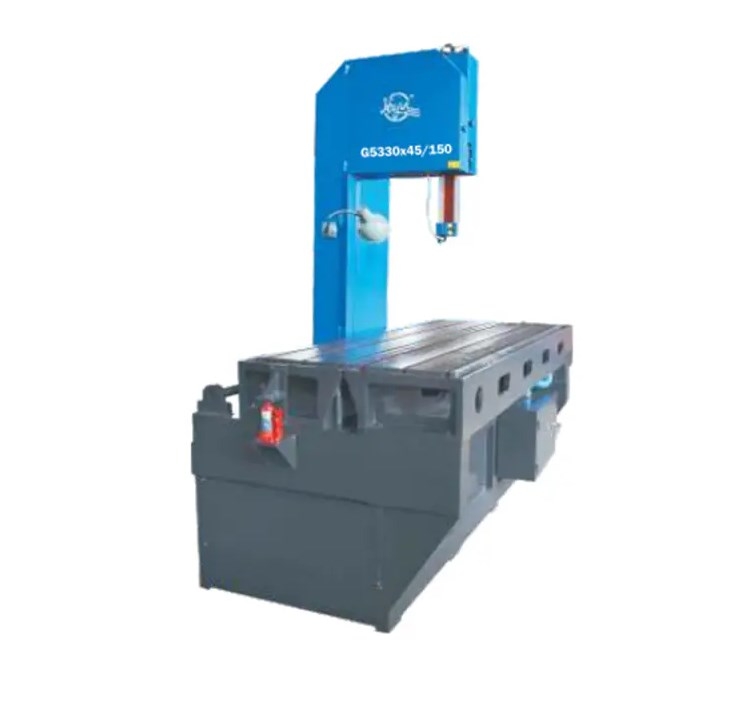
Blade breakage is one of the most common and frustrating problems encountered during the operation of a Vertical Band Saw. Not only does it cause downtime and increase maintenance costs, but it can also pose safety hazards to the operator. Understanding the factors that contribute to blade failure and implementing proper usage and maintenance techniques are crucial for reducing the risk of blade breakage. A Vertical Band Saw relies on a continuous looped blade that moves at high speeds to cut through a variety of materials, so maintaining the blade's integrity is paramount to ensuring smooth, efficient, and safe cutting operations.
One of the primary causes of blade breakage is improper blade tension. The blade on a Vertical Band Saw must be tensioned correctly to maintain straight cutting and to prevent undue stress on the blade material. Over-tensioning can cause the blade to become brittle and more prone to snapping under load, while under-tensioning allows the blade to wander or twist during cutting, which also leads to premature wear and possible breakage. Operators should carefully follow the manufacturer's guidelines for blade tensioning and use appropriate tension measuring tools when available. Regularly checking and adjusting the blade tension can significantly extend blade life and reduce the risk of sudden failure.
Another important factor is blade selection. Using the wrong type or size of blade for the material and the cutting application can result in excessive strain on the blade. A Vertical Band Saw blade must match the hardness, thickness, and type of material being cut. For instance, cutting hard metals with a blade designed for softer materials like wood will increase the likelihood of breakage due to inadequate tooth design or blade composition. Conversely, a blade intended for metal may not perform well or may wear quickly when used on wood or plastic. Selecting the correct blade type with proper tooth pitch and material composition designed for the intended workpiece reduces stress and improves cutting efficiency.
Proper blade tracking and guide adjustment also play a vital role in minimizing blade breakage. The blade should run smoothly on the wheels of the Vertical Band Saw without wobbling or rubbing excessively against the guides. Misalignment causes uneven wear and weak spots on the blade, which can lead to cracks and breakage. Regular inspection and adjustment of blade guides, bearings, and wheel alignment ensure the blade remains stable and supported throughout the cutting process. Additionally, ensuring the wheels are clean and free of debris can help maintain smooth blade movement and reduce stress.
Feed rate and cutting technique impact blade durability significantly. Forcing the blade too quickly through the material or applying excessive pressure causes the blade to overheat, wear out faster, or snap. Operators should maintain a consistent and moderate feed rate that allows the blade to cut efficiently without binding. Using a steady, controlled motion helps prevent sudden shocks to the blade and distributes wear evenly. Furthermore, making sure the material is properly secured and supported reduces vibrations and sudden movements that contribute to blade fatigue.
Finally, routine maintenance and timely replacement of worn parts are essential. The entire Vertical Band Saw system—including wheels, bearings, guides, and the blade itself—should be inspected regularly for signs of wear or damage. Worn components can cause abnormal blade stress and premature breakage. Cleaning the machine, lubricating moving parts, and replacing damaged or worn elements help maintain optimal blade performance and safety.
Bilinear rails are adopted for feed guiding, high-accuracy guidance, low coefficient of friction, and long service life. Frequency control is adopted for workpiece feeding. Install an electric feeding platform for convenient feeding, according to customers' needs. Rationally designed worktable, easy to change a saw blade.
 English
 Arabic
 French
 Spanish
 Portuguese
 Deutsch
 Turkish
 Dutch
Dutch
 Italiano
 Russian
 Romaian
 Portuguese (Brazil)
 Greek
Greek
