


 Ban & Monetization Policy
 MyLiveRoom Rewards Program Rules & Eligibility
How should a recovery room be designed for patient safety?
Introduction
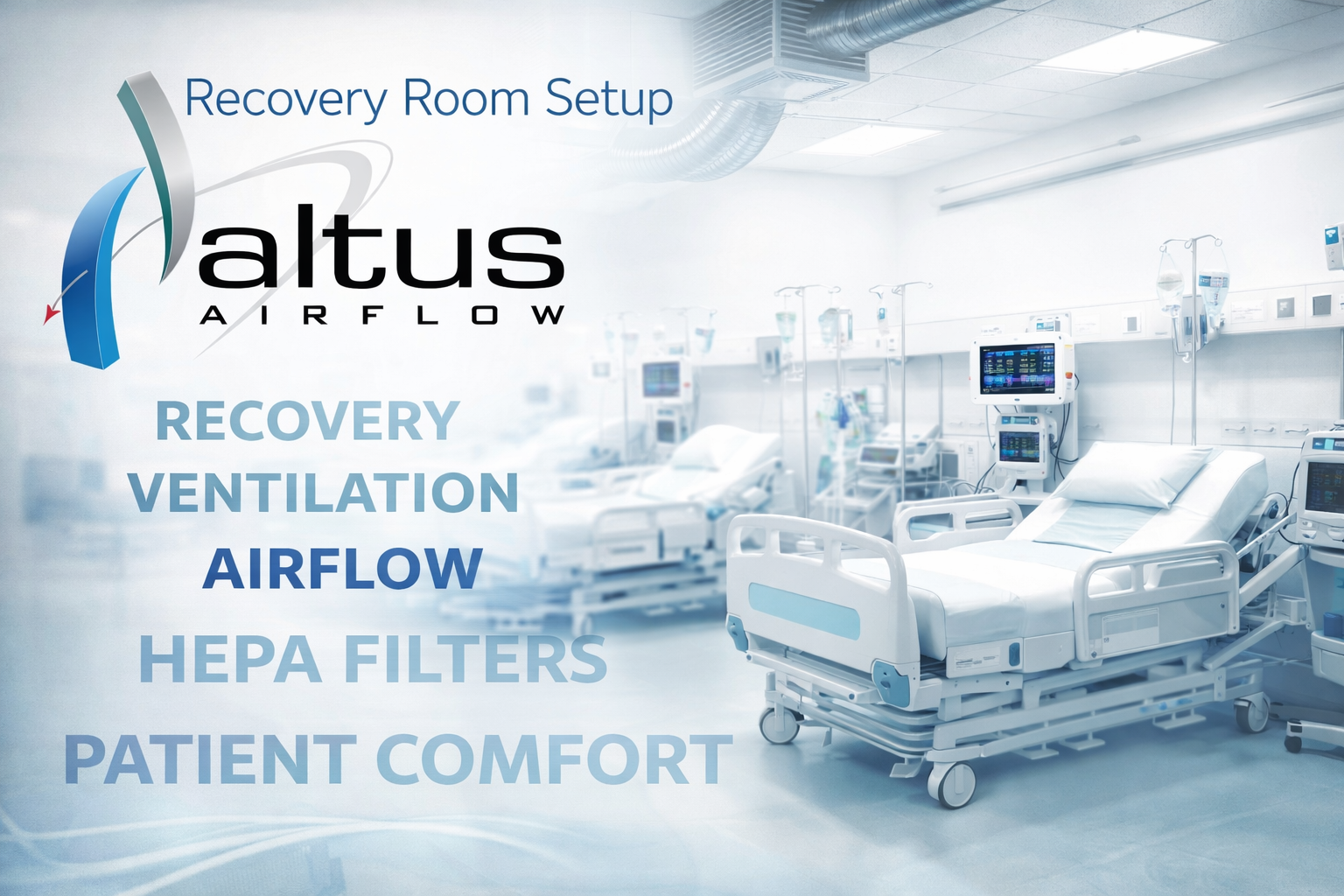
A Recovery Room Setup is critical in hospitals for providing immediate post-operative care to patients after surgery. Proper setup ensures patient safety, comfort, and continuous monitoring, which are crucial during the vulnerable period following anesthesia. Hospitals and healthcare providers focus on creating an environment that is well-equipped, sterile, and supportive for both patients and medical staff.
A thoughtfully designed recovery room improves outcomes, reduces complications, and enhances overall patient satisfaction. Altus Airflow emphasizes the importance of air quality, proper ventilation, and equipment placement when planning a recovery room setup to ensure optimal care.
Why a Proper Recovery Room Setup is Important
A Recovery Room Setup is not just about placing beds and monitors; it is about creating a controlled environment where patients can be closely monitored and treated immediately if complications arise. Key reasons for a proper setup include:
- Patient Safety: Quick access to emergency equipment allows prompt intervention.
- Continuous Monitoring: Vital signs, oxygen levels, and consciousness can be tracked closely.
- Pain Management: Proper setup ensures that medications and support systems are easily accessible.
- Hygiene and Infection Control: A sterile environment minimizes infection risk.
- Staff Efficiency: Thoughtful design helps nurses and doctors respond quickly to patient needs.
Without proper setup, recovery rooms can become inefficient and may compromise patient outcomes.
Key Components of a Recovery Room Setup
A modern recovery room setup requires careful planning and integration of several components:
1. Patient Beds and Positioning Equipment
Adjustable beds with easy access for medical personnel are essential. These beds should support patient positioning for comfort and safety, reduce pressure on sensitive areas, and allow smooth movement if intervention is required.
2. Monitoring Systems
Monitors track vital signs like heart rate, blood pressure, respiratory rate, oxygen saturation, and temperature. Real-time monitoring ensures early detection of post-operative complications.
3. Emergency Equipment
Every recovery room must be equipped with emergency carts, defibrillators, oxygen supplies, suction devices, and neonatal resuscitation tools if required. Accessibility and organized placement are crucial.
4. Medication and IV Setup
A dedicated area for intravenous fluids, pain medications, antibiotics, and emergency drugs allows nurses to respond quickly and efficiently to patient needs.
5. Ventilation and Air Quality
Proper ventilation is essential to maintain air purity and reduce infection risks. Altus Airflow recommends HEPA filters and controlled airflow systems to maintain a sterile environment.
6. Lighting and Privacy
Adjustable lighting supports medical procedures while maintaining patient comfort. Privacy curtains and soundproofing improve the patient experience and reduce stress.
Designing the Recovery Room Layout
A functional Recovery Room Setup requires careful spatial planning:
- Beds and monitors should be positioned for easy access by healthcare professionals.
- Equipment carts must be within reach without obstructing movement.
- Pathways should be wide enough for staff, emergency trolleys, and other equipment.
- Adequate spacing between patients ensures privacy and reduces cross-contamination risk.
A well-designed layout improves workflow efficiency and patient care quality.
Staffing and Workflow
Even with the best setup, a recovery room depends on skilled healthcare professionals. A typical team includes:
- Nurses: Constantly monitor patients, administer medications, and assist with mobility.
- Anesthesiologists: Oversee recovery from anesthesia and manage pain control.
- Surgeons: Evaluate surgical outcomes and intervene if complications occur.
- Support Staff: Maintain hygiene, supply equipment, and assist medical personnel.
Proper workflow planning ensures that staff can quickly respond to emergencies while maintaining a calm and organized environment.
Infection Control in Recovery Room Setup
Infection control is one of the most critical aspects of a recovery room setup. Measures include:
- Regular sterilization of equipment and surfaces
- Proper hand hygiene for all staff
- Use of disposable supplies where possible
- Controlled airflow and air filtration to reduce airborne pathogens
- Strict protocols for handling blood, fluids, and medical waste
Following these protocols ensures that patients are safe from hospital-acquired infections during their recovery.
Monitoring and Post-Operative Care
A key goal of the Recovery Room Setup is to enable comprehensive monitoring and care:
- Vital Signs Tracking: Continuous observation of blood pressure, pulse, temperature, and oxygen saturation.
- Pain Management: Timely administration of medications and monitoring response.
- Neurological Assessment: Observing consciousness, responsiveness, and motor function.
- Wound Care: Inspecting surgical sites and changing dressings as needed.
- Fluid and Electrolyte Balance: Ensuring proper hydration through IV therapy.
Effective post-operative care prevents complications and accelerates patient recovery.
Specialized Recovery Room Requirements
Different types of surgeries require specialized setups:
- Cardiac Surgery: Includes advanced cardiac monitors, defibrillators, and frequent vital sign checks.
- Orthopedic Surgery: Emphasis on mobility support and prevention of blood clots.
- Neurological Surgery: Requires neurological assessments, pupil checks, and consciousness monitoring.
- High-Risk Patients: Extra staffing, enhanced monitoring, and prolonged recovery observation.
Specialized setups ensure that patients receive care tailored to their specific medical needs.
Benefits of a Well-Designed Recovery Room Setup
- Enhanced Patient Safety: Rapid intervention and continuous monitoring reduce complications.
- Improved Recovery Outcomes: Better post-operative care accelerates healing.
- Staff Efficiency: Proper layout and equipment placement enhance workflow.
- Patient Comfort: Adjustable beds, lighting, and privacy improve patient satisfaction.
- Reduced Hospital Stay: Effective monitoring and early interventions can shorten recovery time.
Altus Airflow emphasizes that every recovery room should combine technology, staff expertise, and environmental control for optimal outcomes.
Conclusion
A proper Recovery Room Setup is vital for ensuring safe, effective, and comfortable post-operative care. By integrating advanced monitoring systems, emergency equipment, proper ventilation, and trained staff, hospitals can provide high-quality recovery support.
Altus Airflow highlights the importance of planning, infection control, and patient comfort in creating an efficient recovery room. With the right setup, patients experience smoother recoveries, fewer complications, and higher satisfaction.
Frequently Asked Questions (FAQs)
1. What is included in a typical Recovery Room Setup?
A Recovery Room Setup typically includes adjustable beds, vital signs monitors, oxygen and IV therapy equipment, emergency carts, proper ventilation, lighting, and a sterile environment to ensure patient safety after surgery.
2. How long does a patient usually stay in the recovery room?
The duration depends on the type of surgery, anesthesia used, and patient condition. Minor procedures may require 30–60 minutes, while major surgeries may need several hours of close monitoring.
3. Who provides care in a recovery room?
A recovery room team usually includes nurses, anesthesiologists, surgeons, and support staff who monitor vitals, manage pain, and provide immediate intervention if complications occur.
4. How is infection prevented in recovery rooms?
Infection is controlled through sterilization of equipment, strict hand hygiene, controlled airflow, disposable supplies, and protocols for handling fluids and medical waste.
5. Can recovery rooms handle emergency situations?
Yes, recovery rooms are designed for rapid response, equipped with emergency carts, defibrillators, oxygen, and trained staff to manage complications immediately.
Read Our Previous Blog------> What kind of monitoring and care is provided in the recovery room?

 English
 French
 Spanish
 Portuguese
 Deutsch
 Turkish
 Dutch
Dutch
 Italiano
 Russian
 Romaian
 Portuguese (Brazil)
 Greek
Greek
