


 Ban & Monetization Policy
 MyLiveRoom Rewards Program Rules & Eligibility
Performance of Non-Woven Fiber Wheel in Sustained High-Temperature Industrial Applications
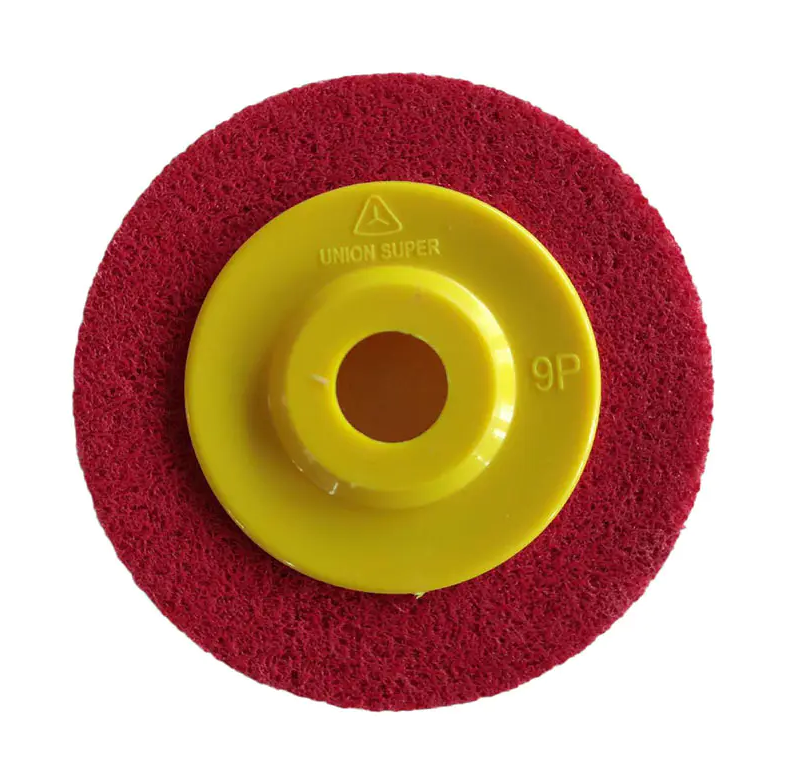
In many industrial environments, surface finishing and conditioning tasks are not performed under ideal conditions. High-speed grinding, aggressive deburring, and continuous polishing of metals—especially hard alloys and stainless steels—generate significant heat at the contact interface. In such situations, the thermal resistance of the abrasive tool becomes a key factor in both safety and performance. A common question raised by engineers and operators alike is: How does the Non-Woven Fiber Wheel perform under high-temperature conditions?
The Non-Woven Fiber Wheel, often composed of nylon fibers impregnated with abrasive grains and bonded using resin systems, is widely recognized for its flexibility, conformability, and ability to produce uniform finishes without gouging the workpiece. Its open structure promotes cooler operation compared to traditional grinding wheels, as it allows airflow and heat dissipation during use. However, this does not make it immune to the effects of elevated temperature. The wheel's performance in high-heat scenarios depends significantly on the materials used in its construction and the specific application parameters.
One of the primary components to evaluate in terms of thermal performance is the bonding resin. Standard Non-Woven Fiber Wheels typically use phenolic or polyurethane resins, which have specific thermal thresholds. When temperatures rise beyond 150–180°C (300–356°F), some lower-grade bonding materials may begin to degrade, leading to reduced structural integrity of the wheel. This can result in fiber breakdown, glazing, or loss of abrasive grains, ultimately affecting the surface finish and shortening tool life. To mitigate this, higher-performance versions of Non-Woven Fiber Wheels are available that utilize heat-resistant resin systems, designed to maintain strength and abrasive retention even above 200°C.
Another aspect to consider is the type of abrasive grain used. Aluminum oxide, silicon carbide, and ceramic abrasives each respond differently under high frictional heat. While most wheels with these abrasives can handle moderate temperature increases, extended exposure to elevated heat levels—especially in dry, high-pressure operations—can dull or dislodge grains faster. Fortunately, the structure of the Non-Woven Fiber Wheel helps reduce localized overheating by promoting even distribution of pressure and material removal, making it more forgiving in thermally aggressive conditions compared to rigid bonded wheels.
It's also worth noting that the wheel's resilience in high temperatures is closely tied to operator behavior and machine settings. Excessive pressure or improper speeds will increase frictional heat generation and compromise the tool’s performance. Conversely, using appropriate RPMs, intermittent contact techniques, and cooling methods such as air jets or misting can significantly improve thermal endurance.
In real-world applications, particularly in aerospace, automotive, and heavy machinery maintenance, Non-Woven Fiber Wheels are routinely used in processes that inherently generate heat. These include blending welds, removing oxidation, or polishing hard metals like titanium and Inconel. Feedback from field use suggests that when matched properly to the task, with heat-resistant specifications and correct usage, the wheels exhibit reliable performance and maintain dimensional stability even under thermally demanding workloads.
In conclusion, while the Non-Woven Fiber Wheel is not inherently designed for extreme heat conditions like vitrified grinding wheels, it performs admirably in elevated temperature environments when properly selected and applied. Its fiber-based design promotes cooling and flexibility, and high-temperature-resistant versions are readily available for demanding operations. By understanding its thermal limitations and optimizing process parameters, users can harness the full potential of Non-Woven Fiber Wheels even in challenging high-temperature conditions.
Non-Woven Fiber Wheel is a specialized industrial tool designed for precision surface preparation, polishing, and material removal tasks. Made from a blend of non-woven fibers and high-quality abrasives, these wheels are crafted to withstand elevated temperatures and harsh operating conditions.
 French
 English
 Arabic
 Spanish
 Portuguese
 Deutsch
 Turkish
 Dutch
Dutch
 Italiano
 Russian
 Romaian
 Portuguese (Brazil)
 Greek
Greek
