


 Ban & Monetization Policy
 MyLiveRoom Rewards Program Rules & Eligibility
How Deep Discharge Affects the Lifespan and Health of a Lithium Iron Phosphate Battery
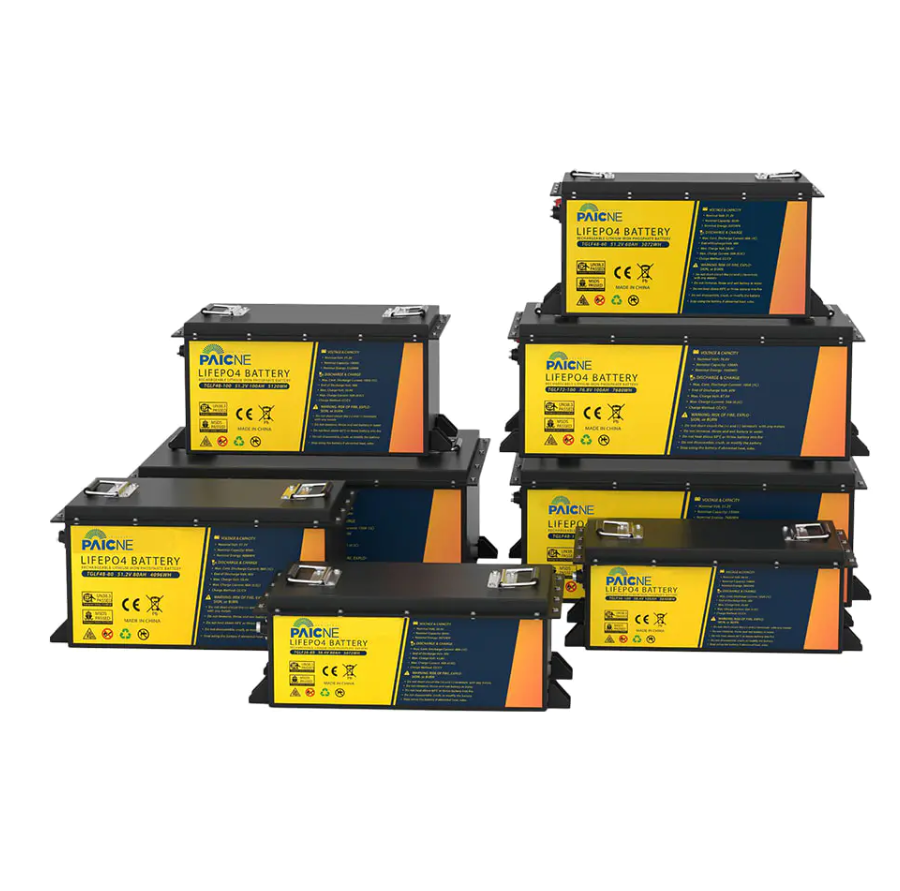
The Lithium Iron Phosphate Battery is well regarded for its long cycle life, thermal stability, and relatively safe performance compared to other lithium-ion chemistries. One of the frequently asked questions about this battery type is whether deep discharge, where the battery is drained close to or beyond its minimum voltage threshold, can cause damage or long-term degradation. This question is particularly relevant in off-grid solar systems, electric vehicles, and other critical power applications where batteries are often subjected to wide depth-of-discharge cycles.
A Lithium Iron Phosphate Battery typically has a nominal voltage of 3.2V per cell and a recommended operational voltage range from around 2.5V to 3.65V per cell. While many battery management systems (BMS) are configured to prevent cells from discharging below 2.5V, accidental or intentional deep discharge beyond this point can occasionally happen. Fortunately, the Lithium Iron Phosphate Battery is more resilient to deep discharge than most other lithium chemistries. Unlike lithium cobalt oxide or lithium manganese oxide batteries, LiFePO₄ cells can tolerate brief drops below the minimum voltage with relatively less damage, especially if the event is isolated and the cell is recharged promptly.
However, repeated or prolonged deep discharges without proper voltage monitoring can indeed be harmful to a Lithium Iron Phosphate Battery. If a cell is held below 2.0V for an extended period, it may suffer from internal chemical instability. This condition could lead to increased internal resistance, reduced capacity, or, in severe cases, an inability to hold a charge at all. Moreover, extremely deep discharges can cause irreversible changes in the electrolyte and damage to the anode material, effectively shortening the battery's usable life.
Another factor to consider is the role of the BMS. A well-designed battery management system can protect the Lithium Iron Phosphate Battery from deep discharge by cutting off the load once a safe lower limit is reached. This is particularly important in series-connected battery packs where a single deeply discharged cell can imbalance the pack and compromise overall performance. Therefore, for applications where deep discharge is likely, selecting a LiFePO₄ battery with a high-quality BMS is crucial for long-term reliability.
It's also worth noting that some Lithium Iron Phosphate Battery manufacturers design their batteries with conservative voltage cutoffs to increase lifespan and reduce the risk of deep discharge damage. While this limits the usable capacity to some extent, it significantly improves cycle life, especially when the battery is operated in partial rather than full depth-of-discharge cycles.
Product Features:
1. High energy density: Lithium iron phosphate batteries have a high energy density, providing longer usage time and higher power output.
2. Long life: Lithium iron phosphate batteries use advanced materials and manufacturing processes, resulting in a longer service life and the ability to withstand more charge and discharge cycles.
3. High temperature tolerance: Lithium iron phosphate batteries can operate normally in high-temperature environments without being damaged or reducing performance due to excessive heat.
4. Fast charging: Lithium iron phosphate batteries support fast charging, allowing them to be fully charged in a short time, improving efficiency.
5. Safety performance: Lithium iron phosphate batteries have high safety performance, ensuring no explosion or fire hazards occur, making them safer and more reliable for use.
 English
 Arabic
 French
 Spanish
 Portuguese
 Deutsch
 Turkish
 Dutch
Dutch
 Italiano
 Russian
 Romaian
 Portuguese (Brazil)
 Greek
Greek
