


 Ban & Monetization Policy
 MyLiveRoom Rewards Program Rules & Eligibility
Are Disposable Paper Plates Truly Biodegradable and Environmentally Friendly in All Situations
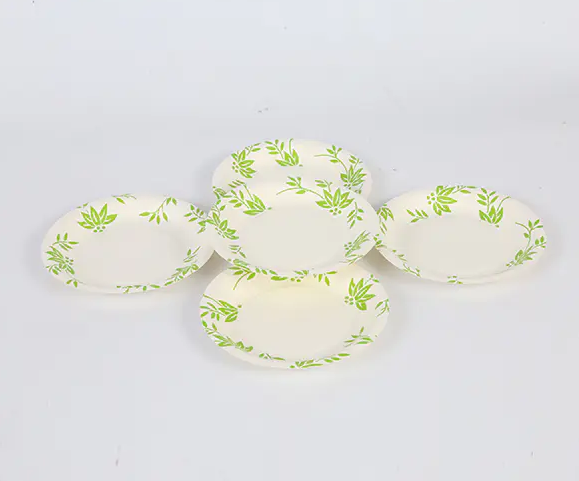
As environmental awareness becomes increasingly important in both consumer behavior and product manufacturing, the eco-friendliness of commonly used items such as Disposable Paper Plates has come under scrutiny. While these plates are often marketed as an environmentally preferable alternative to plastic or foam, the reality of their environmental performance and biodegradability is more complex and deserves a closer look.
At first glance, Disposable Paper Plates seem like a logical choice for reducing environmental impact. Made primarily from wood pulp, which is a renewable resource, paper plates appear more natural and earth-friendly than their petroleum-based counterparts. In many cases, the basic form of a paper plate is indeed biodegradable and compostable, as cellulose fibers break down over time through microbial activity in natural or composting environments.
However, a critical factor that affects the eco-performance of Disposable Paper Plates is the presence of coatings. Many commercial paper plates are coated with polyethylene or similar plastic films to improve durability, moisture resistance, and grease control. While this makes them more functional, especially when used with oily or wet foods, it also makes them far less biodegradable. The plastic lining inhibits microbial decomposition and may even leave behind microplastics, which are harmful to soil and marine life. Such plates cannot be composted in home settings and are typically rejected by commercial composting facilities as well.
On the other hand, some manufacturers have begun producing Disposable Paper Plates with biodegradable coatings made from polylactic acid (PLA) or using no coatings at all. These are more aligned with environmental sustainability goals. Plates labeled as “compostable” often meet specific standards such as ASTM D6400 or EN 13432, indicating they can fully break down in industrial composting systems within a set timeframe. However, it's important to note that even compostable plates require appropriate disposal conditions to break down properly. If they are sent to landfills, where oxygen and microbial activity are limited, their degradation can be significantly slowed.
Another consideration is the sourcing of the raw materials used in Disposable Paper Plates. Plates made from recycled paper or agricultural waste (such as bagasse from sugarcane) have a much smaller environmental footprint than those made from virgin wood pulp. Using post-consumer recycled content reduces deforestation and conserves resources, while utilizing by-products of other industries turns waste into a valuable resource.
Consumers play a key role in the environmental impact of these products. Choosing uncoated or certified compostable Disposable Paper Plates and ensuring they are disposed of in compost bins rather than general trash significantly increases their eco-friendliness. Likewise, reducing usage altogether or opting for reusable plates when feasible is still the most sustainable option.
In conclusion, while Disposable Paper Plates have the potential to be biodegradable and environmentally friendly, their actual impact depends heavily on materials, coatings, certifications, and end-of-life disposal methods. With informed choices and responsible disposal, they can be part of a more sustainable approach to convenience dining.
1. High-quality virgin pulp and film-coated base paper material
2. Simple design, fresh and natural beauty;
3. Made of pure virgin fiber pulp, no fluorescent treatment, green, healthy, and environmentally friendly
4. Food-grade degradable coating. It is waterproof and oil-proof, and the embossed design of the disc is non-slip and wear-resistant.
 Romaian
 English
 Arabic
 French
 Spanish
 Portuguese
 Deutsch
 Turkish
 Dutch
Dutch
 Italiano
 Russian
 Portuguese (Brazil)
 Greek
Greek
