


 Ban & Monetization Policy
 MyLiveRoom Rewards Program Rules & Eligibility
How to Read and Understand Employee Paystubs Easily
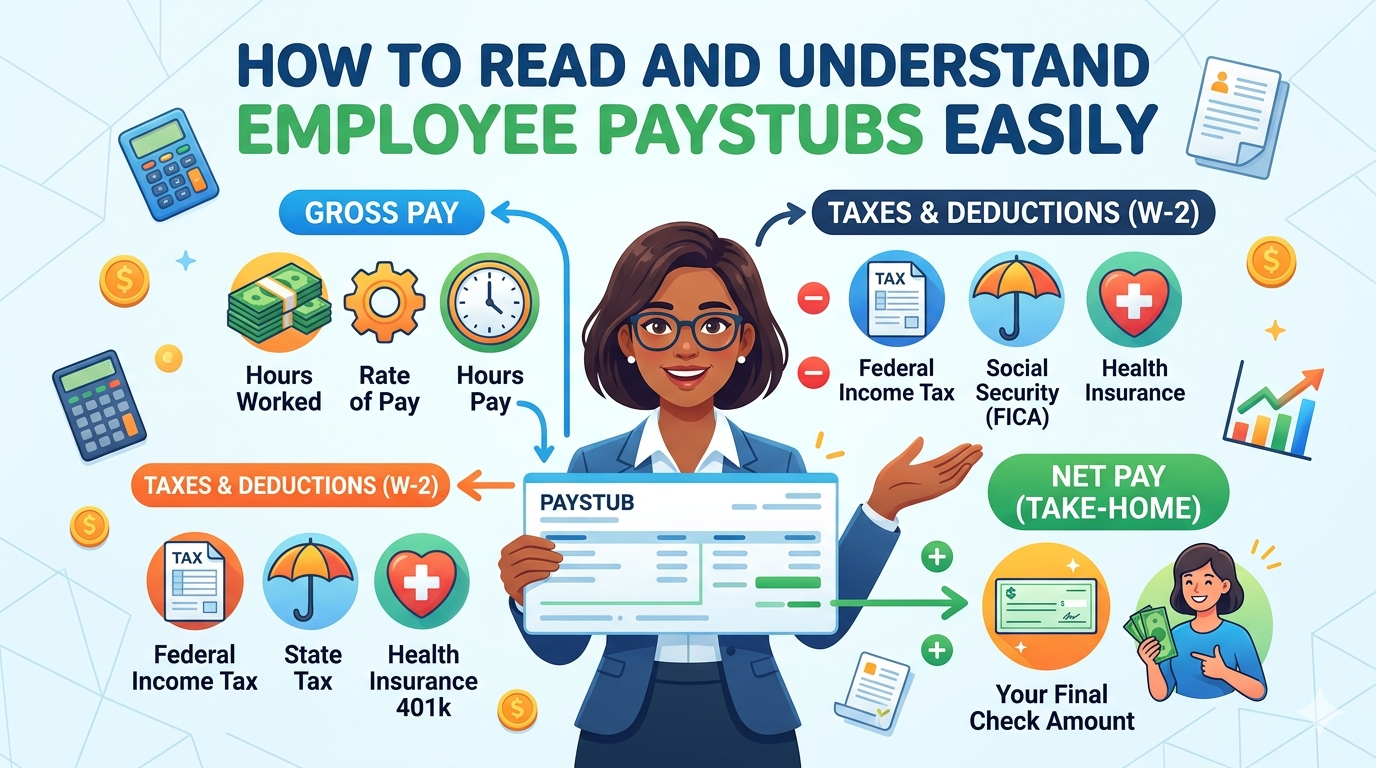
Understanding your paystub is essential for managing your finances, tracking your income, and ensuring payroll accuracy. Many employees receive their paychecks without fully reviewing the details, which can lead to missed errors or confusion about deductions. This guide will help you read and understand employee pay stubs easily, using simple explanations and practical insights.
What Is a Paystub?
A paystub, also known as a paycheck stub, is a document that outlines your earnings and deductions for a specific pay period. Employers provide it either digitally or in printed form. It serves as proof of income and helps you verify that your salary calculations are correct.
Many businesses and freelancers now use a free paystub creator to generate accurate and professional paystubs quickly. These tools simplify payroll management and reduce manual errors.
Key Sections of a Paystub
To understand your paystub, you need to break it down into its main components:
1. Employee Information
This section includes your personal details such as your name, address, and employee ID. It may also display your Social Security Number (partially masked for security).
2. Employer Details
Here, you will find the company name, address, and contact information. This ensures that the paystub is officially linked to your employer.
3. Pay Period
The pay period indicates the start and end dates for which you are being paid. Always verify this section to ensure accuracy.
4. Gross Pay
Gross pay is your total earnings before any deductions. It includes:
- Regular wages
- Overtime pay
- Bonuses or commissions
Understanding gross pay helps you compare your expected salary with actual earnings.
Understanding Deductions
Deductions are amounts subtracted from your gross pay. These fall into two categories:
Mandatory Deductions
These are required by law and include:
- Federal income tax
- State income tax (if applicable)
- Social Security
- Medicare
Voluntary Deductions
These depend on your choices and may include:
- Health insurance
- Retirement contributions
- Life insurance
- Union fees
A well-structured free paystub template clearly lists these deductions, making it easier to track where your money goes.
Net Pay: Your Take-Home Salary
Net pay is the final amount you receive after all deductions. This is often referred to as your take-home pay. It is the most important figure for budgeting and financial planning.
Always compare your net pay with your expectations. If there is a difference, review your deductions carefully.
Year-to-Date (YTD) Information
Year-to-date figures show your total earnings and deductions from the beginning of the year to the current pay period. This section helps you:
- Track annual income
- Monitor tax contributions
- Plan for tax filing
YTD data is especially useful for employees who want a long-term financial overview.
Common Paystub Terms Explained
Understanding specific terms can make reading your paystub much easier:
- Earnings: Total income before deductions
- Taxable Income: Portion of income subject to taxes
- Withholding: Amount deducted for taxes
- Benefits: Employer-provided perks like insurance
- Overtime Rate: Higher pay rate for extra hours worked
When you use a free paystub creator, these terms are often clearly labelled, reducing confusion.
Why Reviewing Your Paystub Is Important
Many employees overlook their pay stubs, but reviewing them regularly offers several benefits:
1. Detect Errors Early
Payroll mistakes can happen. Checking your paystub helps you identify issues quickly.
2. Ensure Accurate Tax Withholding
Incorrect tax deductions can lead to problems during tax season.
3. Track Financial Progress
Monitoring your earnings helps you plan savings and investments.
4. Maintain Records
Paystubs act as official proof of income for loans, rentals, and other financial applications.
Using a free paystub template ensures that your records remain organised and professional.
Tips to Read Your Paystub Easily
Follow these simple tips to understand your paystub without confusion:
- Start with gross pay to know your total earnings
- Review deductions carefully
- Check net pay for your final salary
- Compare with previous pay stubs for consistency
- Look at YTD figures for long-term tracking
Consistency is key. The more you review your paystub, the easier it becomes to understand.
Digital Paystubs and Modern Tools
With the rise of digital payroll systems, many companies now use online tools to generate pay stubs. A free paystub creator allows businesses and freelancers to create accurate documents instantly.
Benefits of digital pay stubs include:
- Easy access anytime
- Reduced paperwork
- Faster processing
- Improved accuracy
These tools often come with a free paystub template, making it simple to customise and generate professional paystubs.
How Employers Benefit from Clear Paystubs
Employers also gain advantages by providing detailed pay stubs:
- Builds trust with employees
- Reduces payroll disputes
- Ensures legal compliance
- Improves transparency
Using a structured free paystub template helps employers maintain consistency and professionalism.
Final Thoughts
Reading and understanding your paystub does not have to be complicated. By focusing on key sections like gross pay, deductions, and net pay, you can quickly interpret your earnings and ensure accuracy.
Modern tools like a free paystub creator and a well-designed free paystub template make the process even easier. They provide clear formatting, reduce errors, and help both employees and employers stay organised.
 Greek
Greek
 English
 Arabic
 French
 Spanish
 Portuguese
 Deutsch
 Turkish
 Dutch
Dutch
 Italiano
 Russian
 Romaian
 Portuguese (Brazil)
