


 Ban & Monetization Policy
 MyLiveRoom Rewards Program Rules & Eligibility
Healthcare Product Engineering Services: Selection Framework
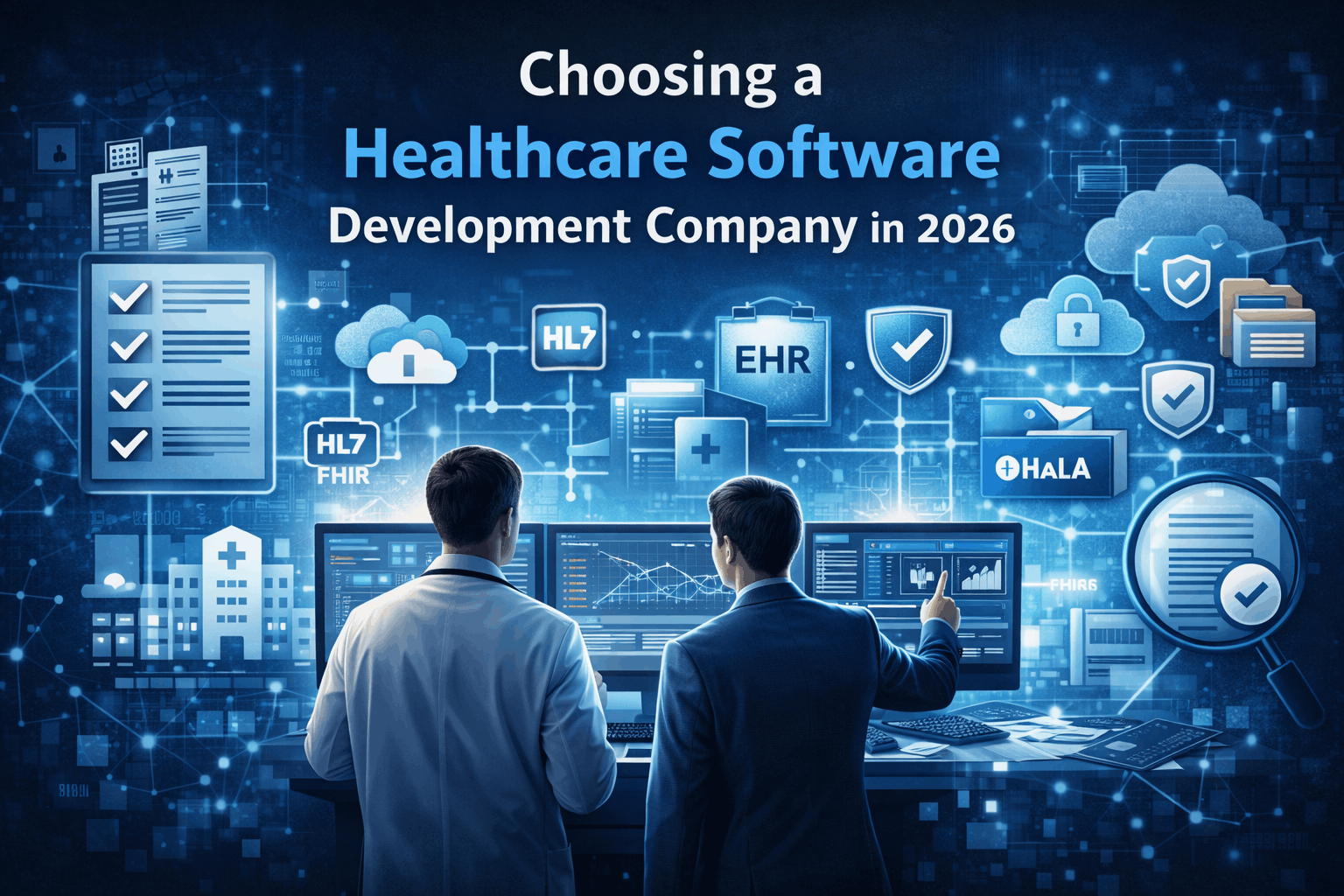
Healthcare software development is fundamentally different from general software development. It operates in regulated environments where compliance, interoperability, and clinical reliability are not optional, they are essential.
As the healthcare technology market continues to grow rapidly, more vendors claim expertise in this space. The challenge for decision-makers is not finding options, but identifying which healthcare software development company can actually deliver production-ready, compliant systems.
This guide provides a clear, practical framework to help you evaluate vendors and make the right decision.
What You Are Really Buying
When you hire a healthcare software development company, you are not just buying code. You are investing in a system that must:
- Meet HIPAA-compliant software development standards
- Integrate with EHR systems using FHIR and HL7
- Support real clinical workflows without disruption
- Scale across patients, providers, and healthcare systems
Whether you are building a digital health platform, a healthcare SaaS product, or a clinical system, the outcome must function reliably in real-world environments.
The Hidden Cost of Choosing the Wrong Vendor
The impact of a poor vendor choice rarely appears early. It surfaces during integration, compliance reviews, or enterprise deployment.
Common risks include:
- Delays due to missing HIPAA or regulatory compliance
- Failed or unstable EHR integration services
- Rework caused by weak healthcare architecture
- Longer enterprise sales cycles due to compliance gaps
- Loss of partnerships with hospitals and health systems
For organizations investing in digital product development services for healthcare, these risks can significantly increase cost and time to market.
7 Criteria That Define a Strong Healthcare Software Partner
1. Relevant Healthcare Experience
Look beyond generic healthcare projects. A qualified healthcare SaaS development company should have experience with systems similar to yours, such as LIMS platforms, EHR integrations, or clinical decision tools.
2. Compliance Built into Architecture
True HIPAA-compliant software development starts at the architecture level. Data protection, audit logs, and access controls should be designed from the beginning, not added later.
3. Real EHR Integration Experience
FHIR integration services and HL7 integration services must work in real hospital environments, not just sandbox testing. Ask for production examples.
4. Regulatory Alignment
Different products require different standards. A healthcare product engineering services partner should understand whether your platform needs HIPAA, FDA, or other compliance frameworks.
5. The Actual Delivery Team
Always evaluate the engineers and architects who will work on your project. Their experience in healthcare data interoperability solutions and clinical systems matters more than the sales pitch.
6. Post-Launch Support
Healthcare platforms evolve continuously. Choose a partner who supports long-term maintenance, regulatory updates, and system stability.
7. Long-Term Client Relationships
The best indicator of performance is retention. A reliable healthcare software development company will have multi-year client relationships in regulated environments.
Questions You Should Ask Every Vendor
To separate real expertise from surface-level claims, ask:
- How does patient data flow through your system architecture?
- Can you share a real-world EHR integration challenge you solved?
- How do you handle PHI in development environments?
- Who exactly will be working on this project?
- Can you provide long-term client references?
Clear, specific answers indicate real experience in healthcare digital product development services.
Why Companies Choose the Right Partner Early
Healthcare platforms do not fail because of lack of features. They fail because of weak architecture, compliance gaps, and integration issues.
Organizations that choose the right healthcare product development company early benefit from:
- Faster time to market
- Reduced compliance risk
- Reliable interoperability
- Scalable, future-ready systems
Final Thoughts
Choosing a healthcare software development company is one of the most important decisions in your product journey. It directly impacts compliance, scalability, and long-term success.
The right partner brings more than technical skills. They bring an understanding of healthcare systems, regulations, and real-world workflows.
If you are evaluating vendors, focus less on promises and more on proven capability.
 Dutch
Dutch
 English
 Arabic
 French
 Spanish
 Portuguese
 Deutsch
 Turkish
 Italiano
 Russian
 Romaian
 Portuguese (Brazil)
 Greek
Greek
