


 Ban & Monetization Policy
 MyLiveRoom Rewards Program Rules & Eligibility
Why Diet Alone Doesn’t Fix Menopause Belly
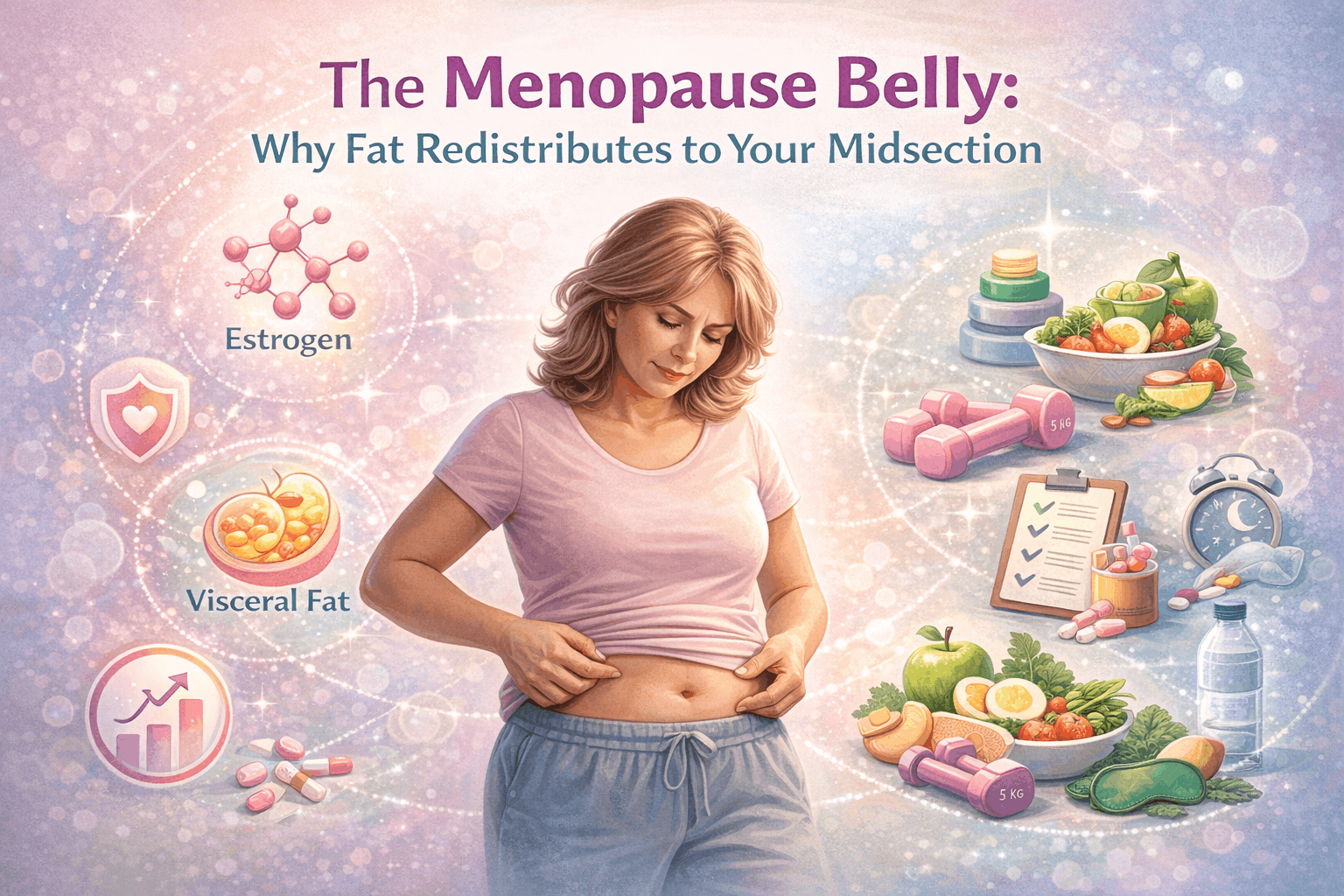
Menopause brings many changes, but one of the most frustrating is the sudden weight gain around your stomach. If you feel like your body shape is changing overnight, you’re not alone. This “menopause belly” is not about lack of discipline. It’s driven by biology and hormonal shifts.
Why Menopause Causes Belly Fat
Before menopause, estrogen helps store fat in areas like the hips and thighs. As estrogen levels drop, your body begins storing fat differently, shifting it toward the abdomen.
This leads to an increase in visceral fat, the type that surrounds internal organs. Unlike regular fat, visceral fat is more metabolically active and linked to health risks.
At the same time:
- Metabolism slows down
- Muscle mass decreases
- Hunger hormones increase
- Stress hormones like cortisol rise
The result is a perfect storm for abdominal fat gain.
Why This Fat Matters
Menopause belly is not just a cosmetic concern. Higher levels of abdominal fat are associated with:
- Increased risk of heart disease
- Insulin resistance and diabetes
- Chronic inflammation
- Higher risk of metabolic disorders
Even women with normal weight can have high visceral fat, a condition often called hidden obesity.
What Actually Helps Reduce Menopause Belly
1. Strength Training
Building muscle is key. Muscle burns more calories and helps counteract metabolic slowdown. Aim for 2 to 3 sessions per week.
2. Regular Cardio
Walking, cycling, or swimming helps reduce overall body fat, including belly fat. Consistency matters more than intensity.
3. Balanced Nutrition
Focus on:
- High fiber foods like vegetables and whole grains
- Adequate protein to preserve muscle
- Healthy fats such as olive oil and nuts
- Limiting sugar and refined carbs
4. Sleep and Stress Management
Poor sleep and high stress increase cortisol, which promotes belly fat storage. Prioritize rest and include relaxation practices like yoga or meditation.
5. Hormonal Support
In some cases, hormone therapy may help reduce fat redistribution. Always consult a healthcare provider before considering this option.
A Healthier Perspective
Menopause belly is a natural biological response, not a failure. Your body is adapting to hormonal changes. Instead of chasing quick fixes, focus on sustainable habits that support long-term health.
Small daily actions like moving more, eating better, and sleeping well can make a real difference over time.
 English
 Arabic
 French
 Spanish
 Portuguese
 Deutsch
 Turkish
 Dutch
Dutch
 Italiano
 Russian
 Romaian
 Portuguese (Brazil)
 Greek
Greek
