


 Ban & Monetization Policy
 MyLiveRoom Rewards Program Rules & Eligibility
Liquid Ring Vacuum Pump: Reliable and Efficient Vacuum Technology for Industrial Applications
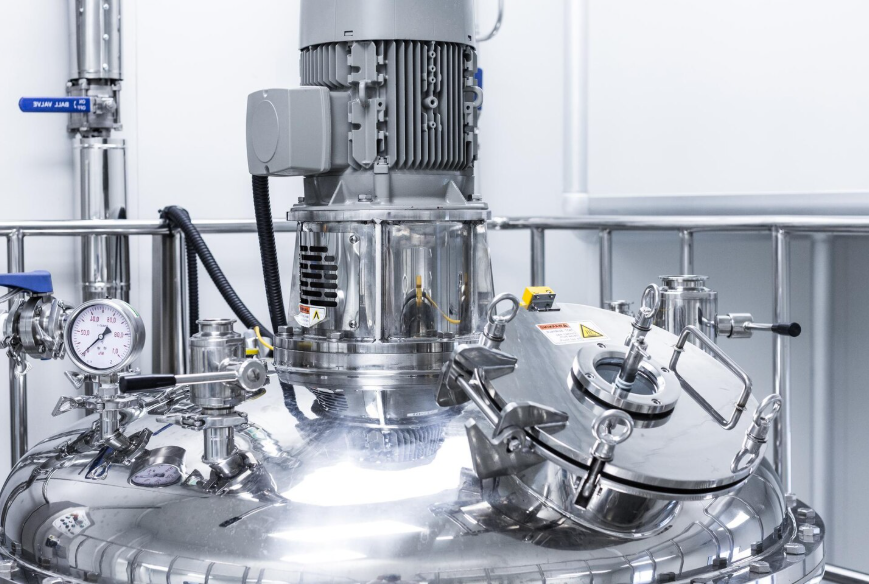
In modern industrial operations, vacuum systems play a critical role in maintaining process efficiency, safety, and product quality. Among the various vacuum technologies available, the liquid ring vacuum pump is widely recognized for its durability, consistent performance, and ability to handle challenging environments. It is particularly effective in applications involving moisture, vapors, and contaminated gases, making it a preferred choice across multiple industries.
This blog provides a comprehensive overview of the liquid ring vacuum pump, including its design, working principle, advantages, applications, and its importance in industrial systems.
Understanding the Liquid Ring Vacuum Pump
What is a Liquid Ring Vacuum Pump?
A liquid ring vacuum pump is a type of rotary positive displacement pump that uses a liquid—typically water—as a sealing medium to create a vacuum. It is designed to handle gases containing moisture, vapors, and particulates without significant loss of performance.
The pump operates with a simple yet effective mechanism that ensures stable vacuum levels and reliable operation in demanding conditions.
Key Design Features
The liquid ring vacuum pump consists of an impeller mounted eccentrically inside a cylindrical casing. When the pump rotates, the sealing liquid forms a ring along the inner wall of the casing due to centrifugal force.
This liquid ring creates compression chambers between the impeller blades. The design is simple, with fewer moving parts, which reduces wear and enhances durability. The use of corrosion-resistant materials further improves performance in harsh environments.
Working Principle of the Liquid Ring Vacuum Pump
How It Operates
The operation of a liquid ring vacuum pump is based on the rotation of the impeller within the casing. As the impeller spins, centrifugal force pushes the liquid outward, forming a ring along the casing wall.
Because the impeller is positioned off-center, the space between the impeller and the liquid ring changes continuously. This creates chambers that expand and contract during rotation.
When the chambers expand, gas is drawn into the pump through the inlet. As the chambers contract, the gas is compressed and expelled through the outlet. This continuous cycle generates a steady vacuum.
Role of the Sealing Liquid
The sealing liquid plays a vital role in the operation of the pump. It acts as a seal to prevent gas leakage and also absorbs heat generated during compression. This helps maintain near-isothermal conditions, improving efficiency and reducing thermal stress.
Advantages of the Liquid Ring Vacuum Pump
High Reliability
Liquid ring vacuum pumps are known for their consistent and dependable performance. Their simple design reduces the risk of mechanical failure.
Ability to Handle Wet and Contaminated Gases
These pumps can process gases containing moisture, vapors, and dust without significant performance loss, making them ideal for challenging environments.
Low Maintenance Requirements
With fewer moving parts and minimal wear, liquid ring vacuum pumps require less maintenance compared to other vacuum technologies.
Smooth and Quiet Operation
They operate with minimal vibration and noise, making them suitable for applications requiring stable and quiet performance.
Energy Efficiency
The near-isothermal compression process reduces energy loss, improving overall efficiency and lowering operational costs.
Applications of Liquid Ring Vacuum Pumps
Chemical Industry
In chemical processing, liquid ring vacuum pumps are used for distillation, evaporation, and filtration. They provide reliable performance even in the presence of corrosive gases and vapors.
Power Generation
Power plants use these pumps in condenser systems to maintain vacuum conditions, improving efficiency and energy output.
Oil and Gas Industry
The oil and gas sector relies on liquid ring vacuum pumps for extraction, refining, and gas recovery processes. They perform effectively in high-pressure and high-temperature environments.
Food and Beverage Industry
In food processing, vacuum systems are used for packaging, drying, and degassing. Liquid ring vacuum pumps help maintain product quality and hygiene.
Pharmaceutical Industry
Vacuum pumps are essential in pharmaceutical manufacturing for processes such as drying and crystallization. Liquid ring vacuum pumps provide stable and controlled vacuum conditions.
Energy Efficiency and Environmental Benefits
Reduced Energy Consumption
Liquid ring vacuum pumps are designed to operate efficiently, reducing energy usage in industrial systems.
Environmental Safety
Their ability to handle contaminated gases helps prevent harmful emissions, supporting environmentally responsible operations.
Heat Absorption and Cooling
The sealing liquid absorbs heat during operation, reducing the need for additional cooling systems and improving overall efficiency.
Installation and Maintenance Considerations
Proper Installation
Correct installation is essential for optimal performance. Proper alignment, piping configuration, and sealing must be ensured.
Selection of Sealing Liquid
Choosing the right sealing liquid is important for maintaining efficiency and compatibility with the gases being handled.
Routine Maintenance
Regular maintenance includes checking liquid levels, inspecting components, and ensuring proper lubrication. This helps extend the lifespan of the pump.
Why Liquid Ring Vacuum Pumps Are Widely Preferred
Versatility
Liquid ring vacuum pumps can be used in a wide range of applications, making them highly adaptable to different industries.
Durability
Their robust construction allows them to operate under harsh conditions, ensuring long-term reliability.
Cost-Effective Operation
Low maintenance requirements and energy efficiency make them a cost-effective solution for industrial use.
Engineering Excellence
Organizations like Courtney & Nye emphasize the importance of reliable vacuum systems. Liquid ring vacuum pumps align with these standards by delivering consistent and efficient performance.
Future Trends in Vacuum Pump Technology
Advanced Materials
The use of improved materials is enhancing durability and performance in modern vacuum pumps.
Smart Monitoring Systems
Integration with digital technologies allows real-time monitoring and predictive maintenance, improving reliability.
Sustainable Solutions
Future developments focus on reducing environmental impact through energy-efficient designs and eco-friendly sealing liquids.
Conclusion
By ensuring consistent vacuum performance, reducing energy consumption, and supporting sustainable practices, it plays a vital role in modern industrial systems. With proper installation and maintenance, liquid ring vacuum pumps can deliver long-lasting and reliable performance, making them an essential component in efficient vacuum technology.
 Greek
Greek
 English
 Arabic
 French
 Spanish
 Portuguese
 Deutsch
 Turkish
 Dutch
Dutch
 Italiano
 Russian
 Romaian
 Portuguese (Brazil)
