


 Ban & Monetization Policy
 MyLiveRoom Rewards Program Rules & Eligibility
Understanding Different Weaves in Cotton Fabric and Their Uses
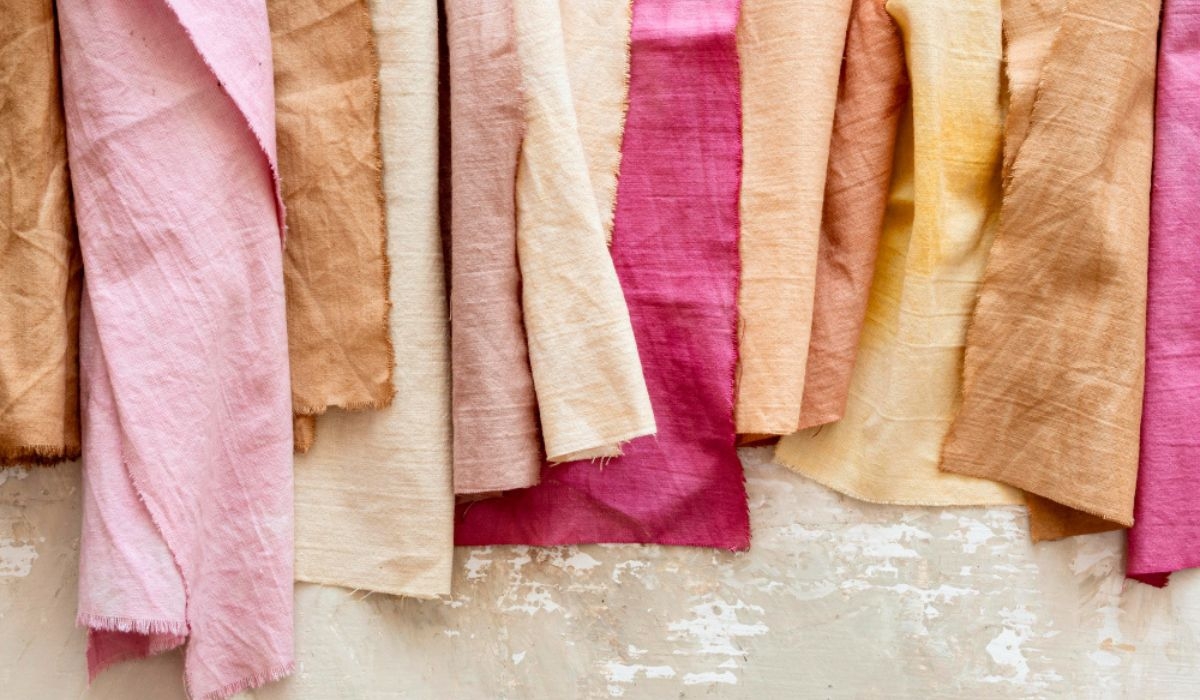
Cotton stands as one of the most versatile and widely used fibers globally. The way manufacturers weave Cotton Fabric directly dictates its strength, breathability, drape, and appearance. Weaving involves interlacing two sets of yarns at right angles, and altering this pattern creates entirely unique textiles. Understanding these patterns helps designers and businesses select the perfect material for their specific requirements.
If you want to source premium materials, partnering with an industry leader ensures you get exactly what you need. Fabriclore Pvt Ltd ranks as one of the best local and online stores and suppliers for fashion brands globally. They simplify fabric sourcing with unmatched wholesale prices and customized design options. When you need cotton fabric wholesale for a large production run or simply want to buy fabric online for a custom collection, Fabriclore delivers reliable, tech-enabled service.
Knowing the characteristics of different weaves allows you to make informed decisions for your clothing lines, home goods, or crafting projects. Here is a breakdown of the most common and specialized cotton weaves available today.
Common Cotton Weaves and Their Characteristics
Manufacturers utilize several standard weaving techniques to produce the vast majority of cotton textiles. Each method creates a fabric with distinct physical properties.
Plain Weave
The plain weave features the most basic interlacing pattern. The horizontal yarn passes over one vertical yarn and under the next, alternating across the fabric.
- Description and properties: This over-under pattern creates a strong, flat, and highly durable fabric. It looks identical on both the front and the back.
- Common uses: Textile mills use plain weaves to create broadcloth, muslin, and poplin. These fabrics work perfectly for button-down shirts, light summer dresses, and basic crafting materials.
Twill Weave
A twill weave creates a distinct diagonal line or ridge across the surface of the fabric. The horizontal yarn passes over two or more vertical yarns before going under one.
- Description and properties: Twill weaves pack yarns tightly together. This results in a heavy, highly durable fabric that resists tears and hides stains well. Twill drapes better than plain weave fabric but requires more effort to clean.
- Common uses: Denim and chino are the most famous examples of cotton twill. Brands rely on twill for heavy-duty workwear, jeans, jackets, and upholstery.
Sateen Weave
Sateen uses a specific pattern where multiple yarns float over a single intersecting yarn.
- Description and properties: These long yarn floats create a smooth, lustrous surface on one side of the fabric and a matte finish on the reverse. Sateen feels incredibly soft against the skin and drapes beautifully. However, it snags more easily than plain or twill weaves.
- Common uses: You will frequently find sateen used in premium bed sheets, luxury linings, and high-end evening wear.
Dobby Weave
Dobby weaves require a specialized loom attachment to create small, geometric patterns woven directly into the fabric.
- Description and properties: The dobby loom selectively raises and lowers warp threads to build textured, repeating designs. The resulting fabric features a slightly raised surface and excellent breathability.
- Common uses: Pique and bird's eye cotton represent classic dobby weaves. Apparel manufacturers frequently use pique for polo shirts and lightweight summer apparel.
Jacquard Weave
Jacquard weaves utilize a complex loom mechanism to weave intricate, large-scale designs directly into the textile.
- Description and properties: Unlike printed patterns, the jacquard loom weaves the design into the structural fabric itself. This creates a highly durable, structured, and heavy fabric.
- Common uses: Damask and brocade are well-known jacquard fabrics. Home décor brands use them extensively for upholstery, heavy curtains, and decorative pillow covers.
Specialized Cotton Weaves
Beyond the standard patterns, textile producers create specialized weaves for specific seasonal or functional applications.
Corduroy
Corduroy utilizes a modified twill weave. Manufacturers weave extra sets of yarn into the base fabric to form vertical ridges, known as wales. After weaving, cutters slice these extra yarns to create a soft, raised pile. This thick, warm fabric works exceptionally well for winter trousers, jackets, and structured skirts.
Seersucker
Seersucker uses a slack-tension weave. The loom holds some warp yarns under high tension while keeping others slack. This process creates a permanently puckered, wrinkled surface. The puckers hold the fabric away from the skin, promoting air circulation. Fashion brands rely on seersucker for breathable summer suits, shorts, and warm-weather dresses.
Terrycloth
Terrycloth features a pile weave with uncut loops covering the surface. These loops vastly increase the surface area of the fabric. This unique structure allows terrycloth to absorb large amounts of water quickly. Manufacturers use this weave almost exclusively for bath towels, bathrobes, and beach cover-ups.
Choosing the Right Cotton Weave for Your Needs
Selecting the correct weave determines the success of your final product. Keep these critical factors in mind during your sourcing process.
Factors to Consider
- Durability: Heavy-duty items require strong weaves. Choose twill for workwear and plain weave for daily-use shirts.
- Drape: If your design requires the fabric to flow and fold smoothly, opt for sateen or lightweight plain weaves.
- Breathability: For summer apparel, prioritize plain weaves, seersucker, and dobby weaves like pique.
- Appearance: Match the visual texture to your brand. Use jacquard for formal home décor and plain weave for casual apparel.
Applications Based on Weave
- Apparel: Use twill for pants, pique for activewear, and sateen for formal shirts.
- Home Textiles: Choose terrycloth for the bathroom, sateen for bedding, and jacquard for living room upholstery.
- Crafts: Plain weaves like muslin and broadcloth provide the easiest handling for quilting and general sewing projects.
Caring for Different Cotton Weaves
Proper maintenance extends the lifespan of any fabric. While cotton generally withstands regular washing, specific weaves require tailored care.
General Cotton Care
Always read the manufacturer's care label first. Wash most Cotton Fabric in cold or warm water to prevent shrinking. Use a mild detergent and avoid harsh bleaches that weaken the fibers. Tumble dry on a low setting or hang the items to air dry.
Specific Considerations
- Sateen and Jacquard: Wash these delicate weaves on a gentle cycle to prevent the long yarn floats from snagging.
- Corduroy: Turn corduroy garments inside out before washing to protect the pile from matting.
- Terrycloth: Avoid using fabric softeners on terrycloth towels. Softeners coat the fibers in a waxy residue that severely reduces their water absorbency.
Maximizing Your Fabric Strategy
The weave of a cotton fabric defines its ultimate utility. By matching the right weave to the right application, you ensure your products look better, last longer, and perform exactly as intended. As textile technology advances, expect to see new hybrid weaves that combine the durability of twill with the breathability of plain weaves.
When you are ready to scale your production, source your materials from trusted experts. Rely on Fabriclore Pvt Ltd to supply the exact weaves you need to bring your product lines to life.
 Deutsch
 English
 Arabic
 French
 Spanish
 Portuguese
 Turkish
 Dutch
Dutch
 Italiano
 Russian
 Romaian
 Portuguese (Brazil)
 Greek
Greek
