


 Ban & Monetization Policy
 MyLiveRoom Rewards Program Rules & Eligibility
Diaphragm Pump: Design, Function, and Performance Overview
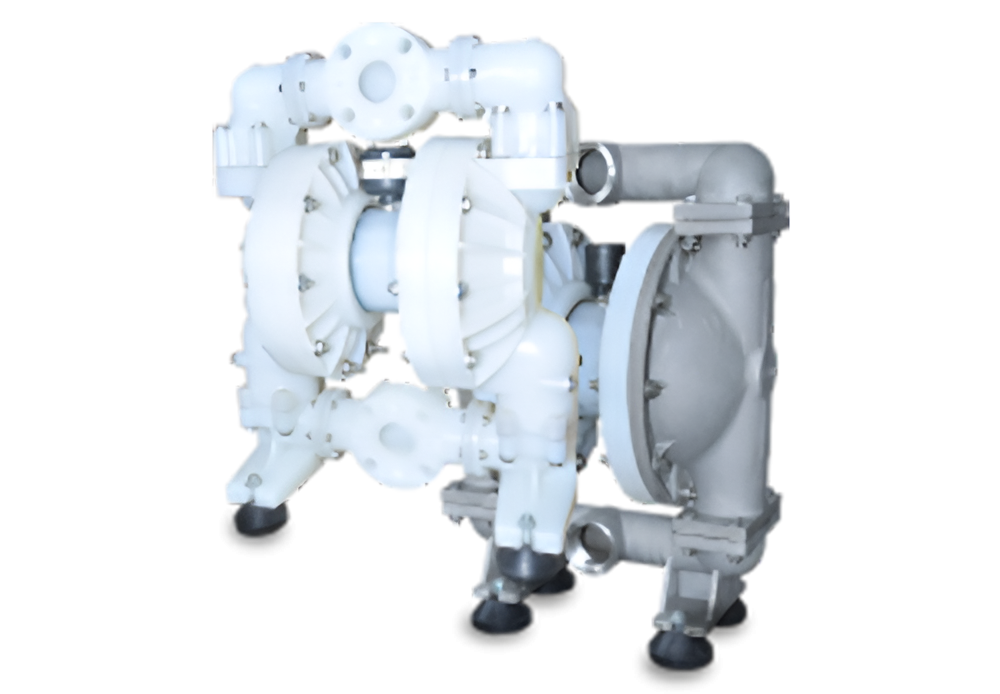
In modern industrial systems, fluid handling efficiency and safety are critical, and the Diaphragm Pump plays a key role in achieving both. A flexible diaphragm-based positive displacement pump is one of the most reliable and widely used fluid handling systems in modern industries.
It is specially designed to handle challenging fluids like chemicals, harmful liquids, slurries, and wear-causing media. Because of its simple working principle and strong sealing ability, it is widely used across chemical, pharmaceutical, water treatment, and manufacturing industries.
What is a Diaphragm Pump?
A Diaphragm Pump is a type of positive displacement pump that uses a flexible diaphragm to move fluids. The diaphragm moves back and forth, creating suction and discharge pressure inside the pump chamber. This action allows fluid to enter and exit through one-way valves.
One of the biggest advantages of this pump type is that it keeps the fluid completely separated from the mechanical parts. This reduces leakage risk and makes it ideal for handling hazardous, corrosive, and toxic liquids. Because of this design, it is widely used in chemical transfer applications and industrial fluid handling systems.
Design of Fluid Transfer System
The design of a fluid transfer system is simple but highly effective. It mainly consists of:
- Flexible diaphragm (rubber, Teflon, or thermoplastic)
- Inlet and outlet check valves
- Pump chamber
- Air or mechanical drive system
The diaphragm is the core element that creates pressure changes inside the chamber. The check valves ensure that fluid flows in only one direction.
Compared to other pumping systems, this type of pump has fewer moving parts, which makes it low maintenance and long-lasting. This is why industries prefer it for continuous operations.
Working Function of Fluid Transfer System
The working of this pump is based on a simple reciprocating motion:
- When the diaphragm moves backward, it creates a vacuum inside the chamber.
- This vacuum pulls fluid into the pump through the inlet valve.
- When the diaphragm moves forward, pressure increases.
- The fluid is discharged through the outlet valve.
This cycle repeats continuously, allowing smooth and controlled fluid transfer.
Because of this mechanism, a diaphragm-based system can handle thick, solid-containing, and corrosive fluids without damage. It is also self-priming and can run dry for short periods without failure.
Performance of Diaphragm Pump in Industrial Use
The performance of a fluid transfer pump depends on its design, material selection, and application type. It is known for:
- Strong suction capability
- Stable flow under varying pressure
- Ability to handle abrasive fluids
- Leak-free operation
In chemical industries, it is widely used as a Chemical Pump because it safely transfers acids, alkalis, and toxic liquids without contamination.
Another important feature is flexibility. Some advanced models also support integration with Air Cooled Pump systems, which help maintain temperature control during continuous operation and improve overall efficiency.
Key Advantages of Industrial Fluid Transfer Pumps
A fluid transfer system offers many industrial benefits:
- No shaft seal, so no leakage
- Safe handling of hazardous fluids
- Self-priming capability
- Ability to handle solids and slurries
- Low maintenance cost
These advantages make a Diaphragm Pump a preferred choice in industries where safety and reliability are important.
It also performs well in applications where other pumps may fail due to corrosion or wear, making it highly suitable for chemical processing environments.
Industrial Applications of Fluid Handling Equipment
This pump is widely used in multiple industries such as:
- Chemical processing plants
- Pharmaceutical manufacturing
- Wastewater treatment
- Paints and coatings
- Food and beverage processing
In many of these applications, it works alongside Air Cooled Pump systems to support temperature-sensitive processes and ensure smooth operations.
Performance Considerations
While the system is highly efficient, its performance depends on proper selection and maintenance:
- Choose correct diaphragm material based on fluid type
- Ensure proper valve sealing for consistent flow
- Maintain drive system regularly
- Avoid operation beyond pressure limits
When used correctly, it delivers long service life and stable performance even in demanding conditions.
Conclusion
A diaphragm-based fluid transfer system is a simple yet powerful solution for handling difficult fluids in industrial environments. Its design ensures leak-free operation, while its working function provides consistent and safe fluid transfer. Whether used as a Chemical Pump in chemical plants or integrated with Air Cooled Pump systems for enhanced performance, it remains a trusted choice across industries.
With its strong performance, durability, and versatility, this industrial fluid handling system continues to play a vital role in modern fluid handling systems.
Explore advanced and efficient pumping solutions to improve your industrial operations — choose the right system that matches your performance and safety requirements.
For reliable and high-quality solutions, connect with JEE Pumps to get the right pumping system for your application.
Source Url: https://medium.com/@jeepumps19/diaphragm-pump-design-function-and-performance-overview-7da8cb6afe89

 English
 French
 Spanish
 Portuguese
 Deutsch
 Turkish
 Dutch
Dutch
 Italiano
 Russian
 Romaian
 Portuguese (Brazil)
 Greek
Greek
