


 Ban & Monetization Policy
 MyLiveRoom Rewards Program Rules & Eligibility
Paneer in Ayurveda: Benefits, Dosha Effects & Best Way to Eat It
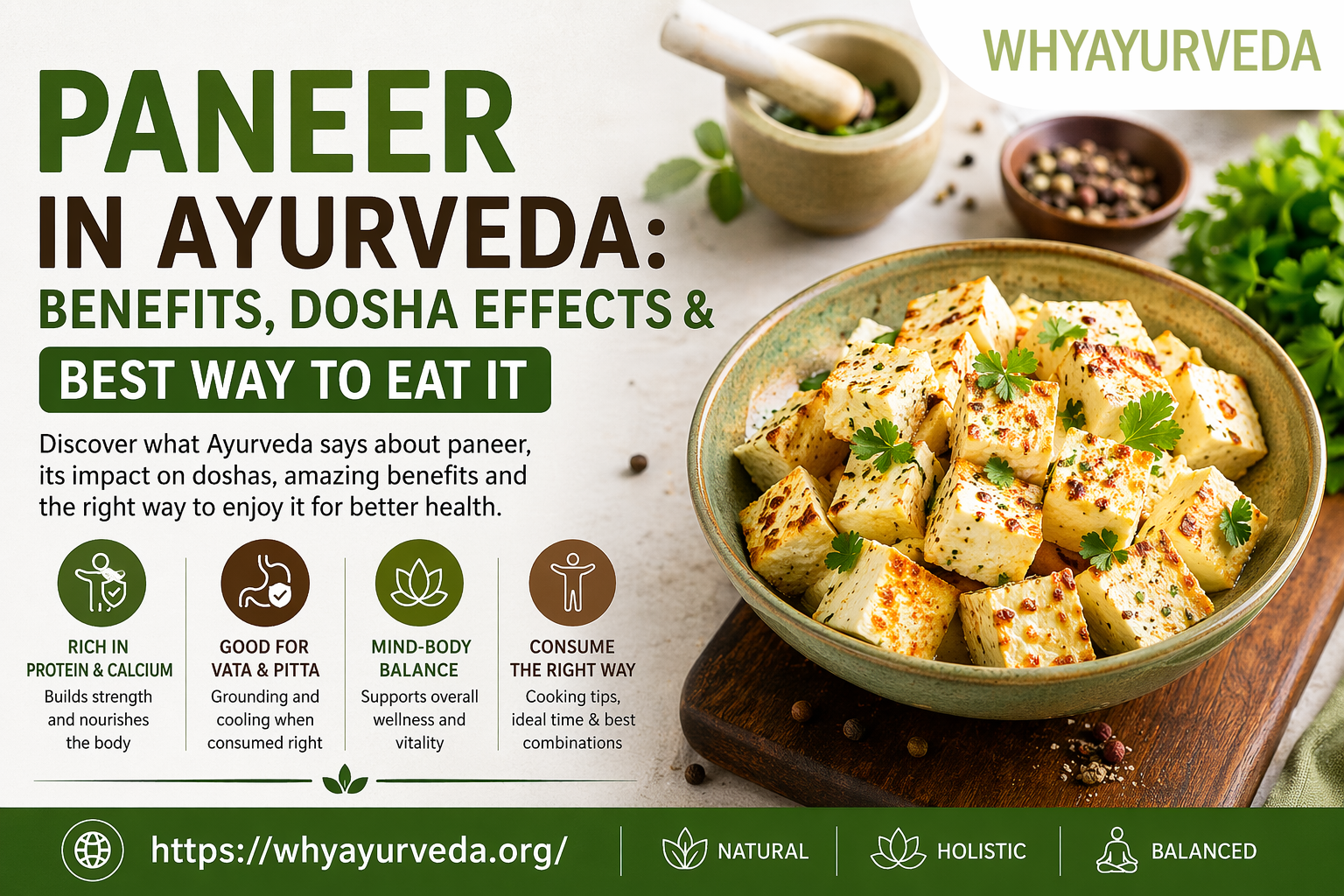
The subject of paneer in Ayurveda can be a subject of inquiry among health conscious people particularly those with a traditional Indian diet. Although paneer is much appreciated because of its flavor and nutritional benefits, Ayurveda judges it by its attributes (guna), digestion (agni) and effects on the three doshas Vata, Pitta and Kapha.
We will discuss paneer and Ayurveda, its Ayurvedic qualities, health benefits, how it affects various doshas, and how to take it to achieve the maximum wellness in this article.
Understanding Paneer in Ayurveda
Paneer (also Indian cottage cheese) is a milk product, which is regarded to be a nutrient enriched, nourishing food. Ayurveda does not only evaluate foods based on nutrients but also the energy of the food.
Based on Ayurvedic principles:
-
Rasa (taste): Sweet (Madhura)
-
Virya (potency): Cooling (Sheeta)
-
Vipaka (after-digestive effect): Sweet.
-
Guna (qualities): Heavy (Guru) and oily (Snigdha)
Such properties render paneer a fortifying food, yet one that needs to be digested properly.
Benefits of Paneer in Ayurveda
There are a number of Ayurvedic paneer benefits when used properly that can benefit health in general.
1. Feeds Body Tissues (Dhatus)
Paneer is high in protein, calcium and other essential nutrients that aid in the formation of the body tissues as well as strengthening them. It is particularly useful with the growing children and those who are recovering their strength.
2. Strengthens And gives Energy.
The nourishing (Balya) properties of paneer can enhance stamina and give long lasting energy hence it is recommended to physically active individuals.
3. Supports Bone Health
Paneer is rich in calcium and phosphorus, which make bones and teeth stronger and prevent problems with joints.
4. Assists in Vata Balance.
The stabilizing and nurturing properties of paneer aid in soothing the Vata dosha, linked to dryness and instability.
5. Helps in the Management of weight (When used in moderation)
Paneer is very heavy, but when used in moderation it can help in controlling appetite and avoiding unnecessary cravings.
Paneer is a good food when consumed in moderation because of the balance it creates in dosha.
Paneer and Dosha Effects
To comprehend paneer in Ayurveda, it is necessary to examine the influence of paneer on each dosha.
1. Vata Dosha
Paneer is healthy to Vata because of its:
-
Moist and grounding nature
-
Nourishing qualities
It aids in decreasing dryness and aids in the construction of tissue. It must be eaten warm and spiced so that it is more easily digested.
2. Pitta Dosha
Paneer is cooling and can be used to cool Pitta.
But:
-
Too much will make one heavy.
-
Discomfort may be caused by poor digestion.
Pitta people need moderation.
3. Kapha Dosha
Paneer can enhance Kapha since it is:
-
Heavy
-
Cooling
-
Oily
This may lead to:
-
Sluggish digestion
-
Weight gain
-
Mucus formation
Individuals who are dominated by Kapha are not supposed to consume paneer in large quantities.
Best Way to Eat Paneer in Ayurveda
The mode of consumption is highly crucial to obtain the full benefits of paneer in Ayurveda.
1. Eat Fresh Paneer, at all times.
Fresh paneer is more sattvic and easy to digest than stored or processed paneer.
2. Spiced It.
Digestive spices such as: Paneer should be cooked with:
-
Ginger
-
Black pepper
-
Turmeric
-
Cumin
These spices aid in digestion and make it light.
3. Do not consume Paneer Raw in Large Amounts.
Raw paneer is tough and may not be easy to digest, particularly when one has weak digestive fire (Agni).
4. Consume During Daytime
Ayurveda suggests consuming heavy foods such as paneer during lunch, when digestion is at its best.
5. Do not mix with Incompatible Foods.
Avoid eating paneer with:
-
Fruits
-
Fish
-
Heavy fried foods
When wrongly mixed and combined, they may form toxins (Ama) in the body.
When to Avoid Paneer
Whereas paneer is fine with Ayurveda in most aspects, there are some conditions to be careful about:
-
Poor digestion (poor Agni)
-
The imbalance of kapha (obesity, congestion)
-
Bloating or heaviness often.
-
Night-time consumption
Paneer, in these instances, can exacerbate symptoms when not taken in the right way.
Ayurvedic Tips for Better Digestion of Paneer
These are some of the tips that you can use to have paneer so that it does not upset your dosha balance:
-
During the cooking process add black pepper or ginger.
-
Use grilled or sauteed paneer instead of deep-fried.
-
Eat in small portions
-
Serve with light veggies such as spinach or bottle gourd
-
Avoid overeating
These easy measures can boost digestion and augment the paneer advantages in dosha equilibrium.
Conclusion
In Ayurveda, paneer is neither entirely good nor bad, but its use depends upon how, when and to whom it is consumed. It is a food that is nourishing, strength-giving, and suitable to Vata type, but should be restricted when it comes to Kapha types.
Learning about paneer and Ayurveda, and knowing proper preparation and consumption techniques, you can take advantage of the health benefits of paneer without compromising your doshas.
Simply put, Ayurveda educates us to be mindful in the consumption of healthy food, such as paneer, which must be taken in season, and based on personal constitution to be the most beneficial.
 Dutch
Dutch
 English
 Arabic
 French
 Spanish
 Portuguese
 Deutsch
 Turkish
 Italiano
 Russian
 Romaian
 Portuguese (Brazil)
 Greek
Greek
