


 Ban & Monetization Policy
 MyLiveRoom Rewards Program Rules & Eligibility
How large is the Brazil rail freight transport industry in 2025?
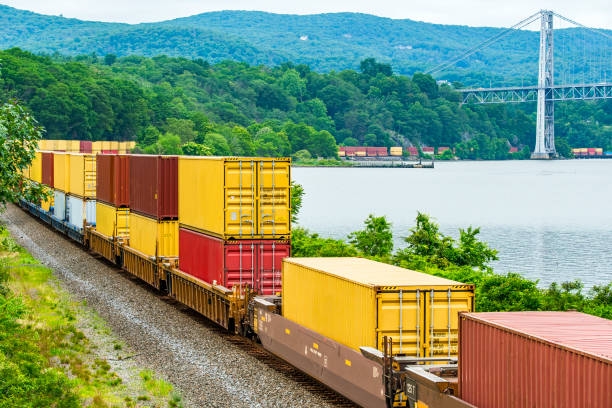
The Brazil rail freight transport industry reached a market size of USD 34.64 billion in 2025. Experts project it will expand to USD 43.15 billion by 2034, reflecting a CAGR of 2.47%. This growth stems from massive infrastructure concessions, surging agricultural exports, and a strategic shift toward sustainable, high-volume logistics.
A significant portion of this market is dominated by the transportation of non-containerized goods. In 2025, non-containerized cargo held a commanding 73.7% market share. This is primarily due to Brazil’s global leadership in iron ore and grain production. These heavy materials require the high-capacity, cost-effective transit that only rail can provide.
The Southeast region remains the geographical heart of the industry. It accounts for 46.5% of the market share in 2025. This dominance is driven by the concentration of industrial centers and major maritime gateways, such as the Port of Santos. The integration of rail lines with these hubs ensures a steady flow of revenue and operational activity.
What is the projected growth for the Brazilian rail freight market?
The industry is entering a decade of sustained expansion. Forecasters expect the market to reach USD 43.15 billion by 2034. This represent a compound annual growth rate (CAGR) of 2.47% between 2026 and 2034. While the growth rate may seem conservative, it represents billions of dollars in new infrastructure and rolling stock.
Government initiatives are the primary catalyst for this upward trend. By 2026, the Ministry of Transport aims to auction eight major rail concessions. These projects carry a combined investment target of approximately BRL 140 billion (roughly EUR 26 billion). These "greenfield" projects will extend the network into previously underserved agricultural frontiers.
The shift toward multimodal logistics is also accelerating growth. Shippers are increasingly looking to combine rail with road and maritime options to optimize costs. As the network expands, the efficiency of these combined routes improves. This makes rail an even more attractive option for long-haul cargo movement.
What are the primary drivers of the Brazil rail freight transport industry?
Commodity exports are the lifeblood of the Brazil rail freight transport industry. Brazil is a global powerhouse in the production of soybeans, corn, and iron ore. These products are ideally suited for rail transport. The sheer volume of these exports creates a permanent demand for reliable, high-capacity freight corridors.
Infrastructure modernization is another critical driver. Private operators are investing heavily in "precision scheduled railroading." This approach uses data analytics to optimize train schedules and asset utilization. Better efficiency translates directly into higher profit margins and increased market competitiveness against road transport.
Environmental sustainability is also pushing companies toward tracks. Rail transport is significantly more fuel-efficient than trucking for long distances. As global carbon regulations tighten, Brazilian exporters are choosing rail to lower the "carbon footprint" of their supply chains. This "green transition" is making rail the preferred mode for ESG-conscious corporations.
Which cargo types dominate the Brazilian rail network?
The market is split into distinct segments based on the nature of the goods being moved. Non-containerized cargo is the clear leader. This segment includes iron ore, coal, and various mineral products. These items are typically loaded directly into specialized wagons rather than standard shipping containers.
- Non-containerized (Bulk): Dominates with a 73.7% share, essential for mining and heavy industry.
- Agricultural Grains: A massive sub-sector including soybeans and sugar, often transported to the Port of Santos.
- Liquid Bulk: Includes fuels, chemicals, and ethanol, requiring specialized tanker wagons and safety protocols.
- Containerized (Intermodal): A smaller but growing segment focused on manufactured goods and processed foods.
The agricultural segment recently saw a major boost. In early 2025, Cofco International invested BRL 1.2 billion to purchase nearly 1,000 new railcars. This investment aims to move sugar and grains more efficiently to export terminals. Such private-sector commitments highlight the industry's reliance on high-volume bulk movements.
How do government concessions impact the rail freight landscape?
The Brazilian government uses a concession model to drive development. Under this system, private companies manage and expand the tracks in exchange for long-term operating rights. The latest policy framework, launching in 2026, introduces more flexible economic models to attract international investors.
These concessions are designed to solve the "bottleneck" problem. Many productive regions in the Central-West currently lack direct rail access to ports. The upcoming auctions for lines like the Ferrogrão seek to bridge these gaps. These projects are expected to have a total economic impact of BRL 600 billion over their lifespans.
Furthermore, the government is focusing on "reactivating" abandoned tracks. A study from April 2026 identified over 7,412 kilometers of inactive lines that could be brought back online. While these require public subsidies to be viable, they represent a massive potential expansion of the current network.
What role does technology play in rail logistics?
Digital transformation is reshaping how the Brazil rail freight transport industry operates. IoT (Internet of Things) sensors are now standard on many locomotives and wagons. these sensors monitor engine health and cargo conditions in real-time. This "predictive maintenance" reduces downtime and prevents costly accidents.
Digital freight matching platforms are also gaining traction. These tools connect shippers with available rail capacity more efficiently. By reducing "empty miles" (trains running without cargo), operators can lower their operational costs. This makes rail more competitive for smaller shippers who previously relied only on trucks.
- AI Analytics: Used for demand forecasting and route optimization to ensure maximum load factors.
- Blockchain: Enhances transparency and security in cross-border trade documentation.
- Telematics: Provides precise GPS tracking, giving customers instant visibility of their shipments.
What challenges does the industry face?
Despite its potential, the sector faces significant structural hurdles. The "fragmentation" of the network is a primary concern. Different regions often use different track gauges (the width between the rails). This forces expensive cargo transfers at regional borders, slowing down the entire supply chain.
Geographic and environmental complexities also add to the cost of expansion. Building tracks through the Amazon or across rugged mountain ranges requires intense environmental licensing. These processes can take years, often delaying critical projects. Balancing economic growth with environmental protection remains a delicate task for the government.
Finally, the industry is heavily dependent on a few specific commodities. If global demand for iron ore or soybeans drops, rail revenues follow suit. Diversifying the cargo mix to include more manufactured goods is a goal, but it requires significant investment in intermodal terminals and specialized handling equipment.
Why is the Southeast region the market leader?
The Southeast is the undisputed powerhouse of Brazilian rail. It holds 46.5% of the market because it contains the nation's most developed infrastructure. The "Golden Triangle" between São Paulo, Rio de Janeiro, and Belo Horizonte generates the highest volume of industrial and commercial traffic.
This region is also home to the Port of Santos, the largest port in Latin America. The rail lines connecting the interior grain belts to Santos are some of the busiest in the world. The sheer density of economic activity in the Southeast ensures that rail assets here are utilized at near-maximum capacity year-round.
Additionally, the Southeast has a higher concentration of private investment. Operators like Rumo and MRS Logística have spent billions upgrading lines in this corridor. These upgrades allow for longer, heavier trains that can move more cargo with less fuel. This efficiency reinforces the region's status as the heart of the industry.
What is the future of intermodal transport in Brazil?
Intermodal transport (the movement of cargo using two or more modes) is the next frontier. Currently, the "last mile" of many journeys is handled by trucks. However, new intermodal terminals are being built to make the transition between rail and road seamless.
These terminals act as logistics hubs where containers can be quickly swapped from trains to trucks. This model is particularly popular for e-commerce and retail goods. As urban centers grow, companies are looking for ways to get products closer to consumers without relying solely on congested highways.
The rise of intermodal transport will likely increase the share of containerized cargo in the coming years. While bulk commodities will always be the foundation, "smart" logistics that combine the speed of trucks with the scale of rail will drive the next wave of innovation in the Brazilian freight market.
Download a sample copy of the report
Summary of the Brazil Rail Freight Transport Landscape
The Brazil rail freight transport industry is a sector defined by massive scale and strategic importance. As it moves toward a USD 43.15 billion valuation by 2034, its focus will remain on infrastructure expansion and technological integration.
The industry’s future is tied to its ability to modernize. By leveraging AI, expanding its reach through concessions, and embracing a multimodal future, Brazil is setting the stage for a more efficient and sustainable logistics network.
 Spanish
 English
 Arabic
 French
 Portuguese
 Deutsch
 Turkish
 Dutch
Dutch
 Italiano
 Russian
 Romaian
 Portuguese (Brazil)
 Greek
Greek
