


 Ban & Monetization Policy
 MyLiveRoom Rewards Program Rules & Eligibility
Troubleshooting Common Issues with Dust Collector Filters and How to Fix Them
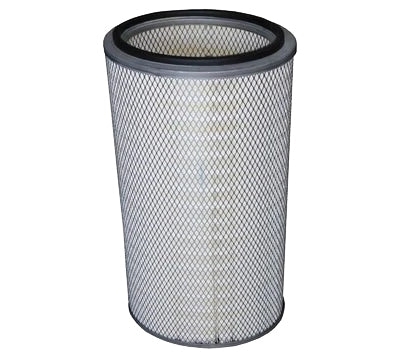
Dust collectors are vital pieces of equipment that help maintain clean efficient, safe and productive environments across a variety of industries. They play an essential function in the capture of dangerous dust particles, preventing pollution, and improving the quality of air. Like any other equipment, dust collectors may have issues with time, particularly in their filters. If the filter for the dust collector isn't functioning properly this can result in lower efficiency, and possibly malfunctioning equipment. This article will address the most common problems with dust collector filters, and offer instructions on how to fix and troubleshoot the problem.
1. Reduced Airflow and Poor Dust Collection
Trouble: One of the most frequently encountered issues with dust filtering systems is the lack of airflow, which could limit the ability of the system to remove dust particles. If airflow isn't sufficient and the dust collector is not functioning properly, it will not be able work efficiently, which can result in a lack of filtration or the accumulation of dust on the work area.
Causes:
Filters that are blocked: Over time, dust may accumulate on the filter's surface and block the flow of air.
Filters that are damaged: A worn-out or damaged filter could cause leaks that permit dust particles escape.
Incorrect installation of the filter: If the filter isn't installed correctly it may block airflow or let dust escape through it.
Solution:
Replace filters that are blocked: If you notice an increase in airflow, you should check your dust collector's filter to see if it is clogging. Based on the severity it is possible either clean the or change out your filter. Filters made of PTFE, which are known for their toughness as well as their resistance to dust build-up they are an excellent choice for applications that require a lot of force.
Cleaning on a regular basis: If your dust collector filter is reused ensure that you cleanse it frequently with a pulse jet cleaner or compressed air in order to get rid of the dust that has accumulated. Be cautious not to harm the filter in your cleaning.
Make sure that the filters are installed correctly. Check that the filters have been installed correctly, and without gaps or misalignments to prevent dust particles from getting through.
2. Excessive Pressure Drop
Trouble: A significant pressure drop in the dust collector's filter may indicate inadequate performance of the filter. Pressure drops occur when there is a discord between the flow of air entering and leaving from the collector. This can be a sign that the filter isn't functioning properly.
Causes:
Filter clogging When dust accumulates on the surface of the filter, it causes resistance, which leads to a higher pressure.
Incorrect type of filter: If the dust collector filter isn't suitable to the type of dust it collects the filter could become blocked quicker and result in pressure build-up.
Filter maintenance that is not done correctly: Lack of regular maintenance can lead to dirt accumulation that leads to pressure drop.
Solution:
Look for signs of clogging: If there is a significant pressure drop, examine the filter for any obstructions or excessive dust build-up. Cleaning or replacing the filter if needed.
Upgrade to high-quality filters: Consider using PTFE filters, known for their capacity to deal with the wide range of dust types, without clogging up the system as fast.
Monitor the pressure of air: Use a manometer or pressure gauge to measure the pressure of the dust collection. If the pressure drop is higher than the suggested levels then you might need for cleaning or replacement of the dust collector.
3. Frequent Filter Failure
Trouble: Filters that fail often can cause disruption to the functioning in your system for dust removal. This can lead to downtime and higher maintenance expenses. If filters are damaged or are failing too quickly it is crucial to pinpoint the reason.
Causes:
Filter selection that is incorrect: Filters need to be properly matched to the kind and quantity of dust they are designed to take on. The wrong material for the filter or size could cause premature failure.
Air velocity that is too high: Air moving too fast across the dust collector may make it tear, or break down more quickly.
Filter maintenance that isn't up to par: Filters that aren't cleaned or maintained on a regular basis are more likely to fail.
Solution:
Choose the correct filter Make sure that your dust collector you choose is suitable for the specific use. Filters made of PTFE are very efficient at handling fine dust particles, which reduces the chance of failure before it happens.
Reduce the speed of air: If the air velocity is too high, it can harm the material of the filter. Verify the airflow settings, and adjust them if needed.
Maintain the filter properly: Regular cleaning and inspections can extend the life of your filter. Always inspect for damage or wear and replace filters when needed.
4. Leaks Around the Filter
Issue: Another common issue with dust collector filters is the possibility of leaks around the filter housing or filter. Leaks may reduce the efficiency in the system for dust removal and allow dust and dirt to get into the surrounding environment. This could lead to the risk of contamination, health hazards and a decrease in effectiveness.
Causes:
Sealing that is not properly done: If the filter is not sealed properly air could enter the filter, which can lead to leaks.
Gaskets or seals damaged: Over time, seals and gaskets can get damaged or worn out which can cause air to leak from the filter.
Installation error: In the event that the filter isn't properly installed there could be gaps or a misalignment that let air escape.
Solution:
Check gaskets and seals: Regularly check the gaskets and seals around the filter to make sure they're functioning correctly. Replace worn or damaged seals to avoid leaks.
Make sure the filter is installed correctly: Double-check that the filter is properly aligned and there aren't gaps in the housing which can cause leaks.
Utilize an PTFE filter The PTFE filter is typically more resilient to damage and less likely to cause leaks when compared to other types of filters. They also offer excellent resistance to chemical exposure, which makes them perfect for industrial use.
5. Increased Maintenance Costs
Issue: If you find that your dust collector filter requires regular cleaning or replacing, overall costs for maintenance could add quickly. The high costs could result from poor filter selection, poor maintenance methods, or poor quality filter material.
Causes:
Material for filtration that isn't adequate: Filters made from inferior materials might require replacement more frequently, resulting in cost increases.
Inadequate cleaning: Failing to clean or examine the filters frequently can lead to them wearing out more quickly.
Inconsistent size of the filter: Using a filter that is too small or huge for the dust collector may result in inefficiencies and frequent failures.
Solution:
Choose high-quality filters: PTFE filters, though often costly initially, are more likely to last longer and provide superior performance over cheaper alternatives. Over time, this could reduce your costs by reducing maintenance and replacement expenses.
Create an annual maintenance plan: Implement a consistent routine for cleaning, examining and changing filters. Regular maintenance can greatly extend the life of your filter and cut down on long-term costs.
Be sure to use the correct filter size: Make sure you use the correct size filter for your dust collector in order to guarantee maximum efficiency and long-lasting performance.
Conclusion
The dust collection filters form essential to the efficiency in your system for dust removal. Problem-solving common problems such as decreased airflow, high tension drops, frequently failures of the filter and leaks can help keep your equipment running at its best and prolong its service life. With the correct type of filter, for instance an PTFE filter, executing regular maintenance and checking for indications of damage or clogging to ensure that your dust collection system is in top working order. If you're having persistent issues, consulting an specialist for dust collecting systems might be required to ensure that your system is operating as efficiently as it can.
 Russian
 English
 Arabic
 French
 Spanish
 Portuguese
 Deutsch
 Turkish
 Dutch
Dutch
 Italiano
 Romaian
 Portuguese (Brazil)
 Greek
Greek
