


 Ban & Monetization Policy
 MyLiveRoom Rewards Program Rules & Eligibility
The Complete Guide to Wood Fencing for Your Home
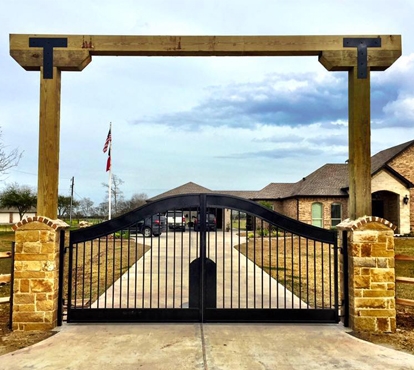
Choosing the right fence for your home is an important decision that impacts both aesthetics and functionality. A well-designed fence not only enhances your property’s curb appeal but also provides security, privacy, and clear boundaries. Among the many options available, Wood Fencing remains one of the most popular choices for homeowners due to its natural beauty and versatility.
Wood Fencing Reasons?
A fence made of wood fits just about every kind of house, old or new. No matter if the place feels sleek, country-style, or classic, timber adjusts right into the scene. Instead of cold metal or plastic panels, real wood brings softness and life outdoors.
Flexibility stands out just as much. Custom shapes come easy since you can saw, mold, or coat wooden fences any way needed. Whether it is a short picket line or a high screen blocking views, options pop up everywhere. Availability helps too - lumber shows up almost anywhere, costing less at first than many alternatives.
Wood Fence Types
Picking a wooden fence means looking at what kinds are out there. One style might block wind while another marks where your land begins. Some keep animals in. Others grow prettier as they age. Each has its own job. Not every design works everywhere. A backyard need is not the same as a farm's
1. Privacy Fences
Out of sight is the whole point here - privacy fences rise high, built to keep neighbors from peering in. Boards sit close together, one after another, shutting out views completely.
2. Picket Fences
Fences with pointed tops have a look people recognize right away. Standing not too tall, they show gaps between upright pieces of wood. For spaces out front, where how things appear counts most, this kind fits just fine.
3. Split Rail Fences
Out on open land, you’ll spot split rail fences doing their job quietly. Their look leans toward old charm, nothing fancy. Simple lines define them, built more for showing where one piece of ground ends - another begins. Security? Not really the point here. Instead, they whisper property edges without trying too hard.
4. Shadowbox Fences
From one side then the other, boards shift position along the fence line, offering a balanced view no matter where you stand. Because gaps stay open between slats, wind moves through even though some seclusion remains.
Wood Choices for Fences
Your fence lasts longer if you pick strong wood first thing. Cedar often wins because it fights rot without help. Pressure-treated pine stays tough when wet but needs upkeep now and then. Redwood looks good for years even in sun-heavy spots. Cypress handles moisture like a pro thanks to natural oils inside. Oak stands firm but costs more than average types
Wood from cedar trees stands strong against decay, thanks to its natural defenses. Insects tend to stay away, which helps it last longer outdoors. Many people pick this material when building fences around homes.
Pine holds up when treated, yet needs regular care. This wood stays affordable, plus people pick it often.
Deep-hued and tough, redwood stands out as a top-tier choice. Its long-lasting nature pairs with warm tones, making it sought after. Though priced higher, it holds up well over time.
Appearance meets strength here, giving builders solid reasons to choose it.
Pine stands out when budgets matter, commonly seen holding up simple yard borders. Fence builders pick it for everyday jobs where cost counts more than flair.
One kind might suit a tight budget but struggle in rainy weather, yet fit perfectly if you skip heavy upkeep. Your choice leans on what matters most - cost, where you live, space for repairs.
Plan fence installation
Got a fence job coming up? First thing first, figure out why you need it. Maybe you want to keep prying eyes out, maybe stop pets from wandering, perhaps just spruce up the yard. Each reason shapes what kind comes next. Height shifts based on needs. Design follows function, not trends. Materials tag along depending on what matters most to you.
Later on, look up what the area allows when it comes to fences. Rules often cover how tall they can be, where they sit, also what they’re made of. Following them now might stop trouble with neighbors or officials down the road.
Start by getting the size of your land right. When numbers are precise, planning what you’ll need becomes much easier. Bumpy ground? Expect changes while putting up the fence.
Fence Installation Steps
Fence work starts easier when you know what comes next. Picture the job before any tools arrive on site. Each stage connects to the one that came before it. Knowing details helps even if others handle the hammering. Planning shifts once ground conditions show up. Materials matter more than most think at first glance. Posts need room, space, time. The layout decides much of what follows after. Surprises pop up less often when measurements lead early. This kind of project breathes better with patience built in
Start by placing stakes where the fence should go. A piece of string ties each post loosely, showing the edge clearly. From there, adjust until the path looks right. Line it up before digging begins.
Start by making sure each hole reaches roughly a third of the fence’s full height. That depth keeps things steady over time. From there, stability comes easier when roots or posts sit buried this far down. Most setups need that much space below ground. Going deeper might help in loose soil. The bottom line - depth matches part of what sticks above.
Start by digging holes where the posts will go. Concrete poured around each one holds it firmly in place. A steady base comes from letting the mix cure fully. Nothing shifts when set right.
Start by securing horizontal rails to the posts; these hold the fence boards in place. The rails span across, connecting each post so everything stays aligned. Built this way, the structure keeps steady under pressure. Each rail gets fastened firmly, making sure gaps stay even.
This setup supports the boards while keeping tension balanced throughout.
Start by securing each wood section as planned. Where pieces meet, fasten them carefully following the layout. Position every panel in place before fixing it down. Once aligned properly, connect each board step by step. Finish only when all parts sit flush and steady.
Once done, brush on a coat that shields the grain - paint works, so does stain or something clear. A finish keeps moisture out while giving surfaces a final quiet layer.
A careful touch matters at every stage so the fence stands strong over time. Though small things might seem minor, they shape how well it holds up. Every piece fits just right when handled with patience instead of haste. Strength comes not only from materials but also from precision during assembly.
Maintenance Tips for Wood Fencing
Wood fences look great but need care now then. Rain hits them hard. Sunlight fades their color slowly. Humidity warps the boards after years go by.
Here are some essential maintenance tips:
Every now and then, coat the surface - it keeps water out while holding color true. Moisture stays away when you seal things up right.
Start by looking closely at the surface. Spot any splits, soft spots, or wobbly pieces? Fix those right away. Watch for signs of wear that could worsen. Address each issue before it spreads. Stay ahead by handling small problems early.
Every now and then, give it a wipe down. A gentle soap wash sweeps away grime before it settles in. Mold never stands a chance when rinsed early. Mildew fades fast with steady care. Soap and water do most of the work without harsh steps.
Plants close to the fence? Move them farther out. Moisture collects where leaves touch wood. Keeping space helps air move through. Less damp means less rot over time.
A well-kept wooden fence holds up over time, still looking good year after year. Its look sticks around when looked after right. Years go by without losing charm if maintenance happens regularly. Appearance stays strong through seasons with steady attention. Long life comes easily when upkeep is part of the routine.
Cost Considerations
Wood fencing price shifts based on what kind of timber you pick, how tall the structure runs, whether the pattern's intricate, along with work fees. Though it often feels lighter on the wallet up front, remember upkeep adds up later.
DIY fence installation can save money, but it requires time, effort, and the right tools. Hiring professionals may increase upfront costs but ensures quality workmanship and durability.
Wood Fencing Benefits and Drawbacks
Pros:
Natural and attractive appearance
Highly customizable
Widely available materials
From casual to formal, it fits just right. Whether you need simplicity or flair, this adapts without effort. A go-to choice when flexibility matters most
Cons:
Requires regular maintenance
Susceptible to weather damage
Fewer years of use possible when set beside metal or vinyl options
Seeing both sides clearly makes your choice easier later on.
Final Thoughts
Still picking wood? Many do. It looks good while doing its job without costing too much. Options pop up everywhere, so matching one to your home feels natural. Pick a type, see how it sits beside the house, notice how it changes the edge of your yard.
A well-thought-out setup, followed by consistent care, keeps a wooden fence strong and good looking over time. When privacy matters, or safety is key, even just improving how your property looks, this kind of barrier works well without drawing too much attention. Fence posts set right at the start make later problems less likely. Exposure to weather will wear things down, yet choosing solid materials helps it last longer than expected. What seems like a basic choice often turns out to hold up better than newer alternatives.
 Russian
 English
 Arabic
 French
 Spanish
 Portuguese
 Deutsch
 Turkish
 Dutch
Dutch
 Italiano
 Romaian
 Portuguese (Brazil)
 Greek
Greek
