


 Ban & Monetization Policy
 MyLiveRoom Rewards Program Rules & Eligibility
Future Trends: SAP Business Technology Platform Driving Innovation in SAP Service
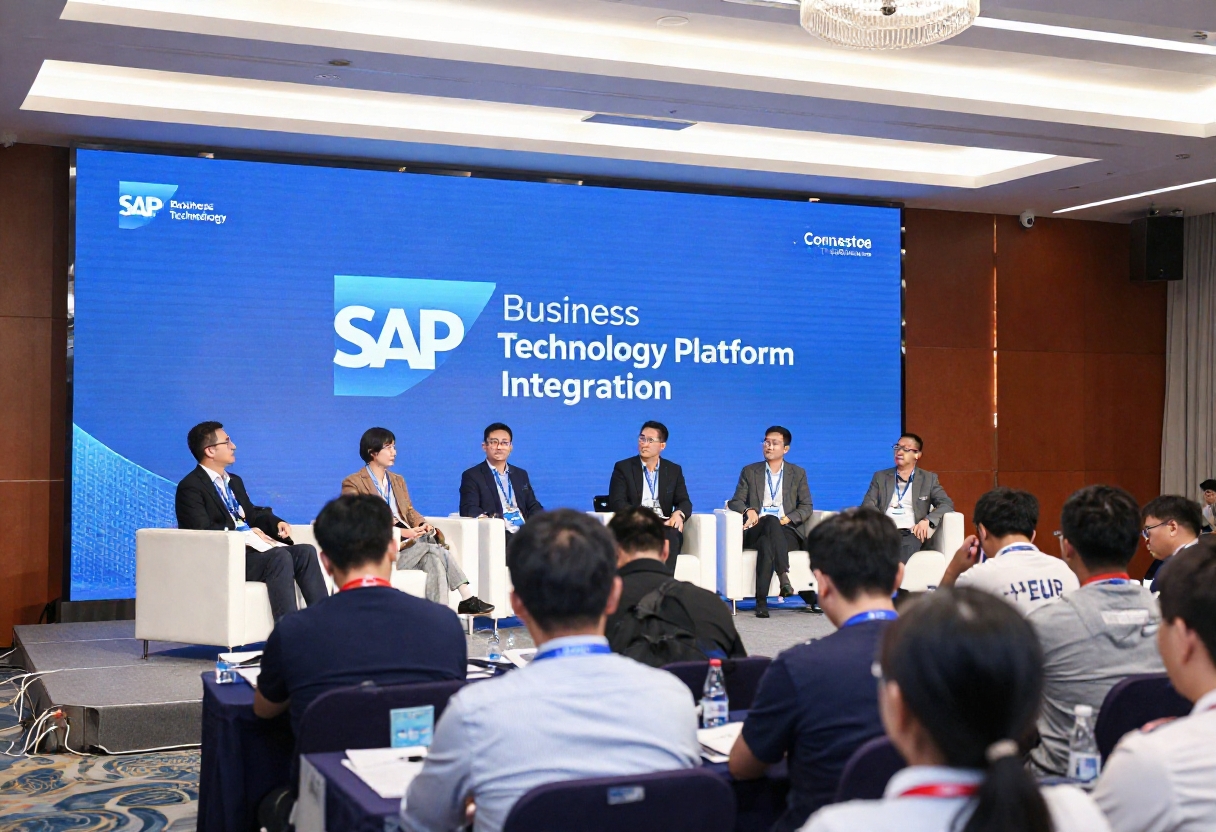
SAP Business Technology Platform is rapidly becoming the backbone of modern enterprise transformation, enabling organizations to innovate faster while simplifying complex IT landscapes. As businesses shift toward cloud-first and AI-driven ecosystems, this platform plays a critical role in integrating data, automating processes, and delivering intelligent insights. Recent developments show that SAP continues to invest heavily in AI-ready architectures and scalable integration capabilities, positioning the platform as a leader in enterprise innovation.
AI-Driven Transformation and Intelligent Automation
One of the most significant trends shaping the future is the deep integration of artificial intelligence. SAP is moving toward AI-native architectures where applications are no longer static but continuously learning and adapting. These systems use AI agents and generative interfaces to automate workflows, predict outcomes, and enhance decision-making. This shift allows businesses to move beyond traditional automation into intelligent operations where systems proactively respond to business needs.
Seamless Integration Across Hybrid Landscapes
Another key trend is the growing importance of integration. With enterprises operating across multiple cloud environments and third-party systems, SAP Business Technology Platform provides a unified integration framework. Tools like SAP Integration Suite enable API management, event-driven architecture, and process orchestration, helping organizations maintain seamless connectivity. This ensures that data flows efficiently across systems, enabling real-time insights and improved operational agility.
Data-Driven Innovation and Real-Time Insights
Modern enterprises rely heavily on data, and SAP is focusing on creating a unified data ecosystem. By combining structured and unstructured data, organizations can gain deeper insights and make faster decisions. Innovations like relational AI models and business data clouds are enabling companies to analyze complex datasets more effectively. This data-centric approach enhances forecasting, customer experience, and operational efficiency.
Cloud-Native Scalability and Business Resilience
The shift to cloud-native architecture is another defining trend. SAP Business Technology Platform supports scalability, allowing businesses to adapt quickly to changing market demands. Its cloud infrastructure ensures resilience, high performance, and flexibility, making it easier for organizations to innovate without disrupting existing operations. This is especially important in today’s dynamic business environment where agility is a competitive advantage.
Conclusion
Looking ahead, SAP Business Technology Platform will continue to drive innovation by combining AI, integration, data, and cloud technologies into a unified ecosystem. Organizations that leverage these capabilities will be better positioned to adapt, innovate, and grow in an increasingly digital world. As these trends evolve, businesses can expect more intelligent, connected, and scalable solutions that redefine how enterprise systems operate—ultimately transforming the future of SAP Service.
For More Information:
A Complete Guide to SAP Integration for Better Reporting in SAP Analytics Cloud
Why Businesses Choose SAP Service Providers for Implementing Opentext Solutions
Future Trends in SAP Archiving Solutions and the Evolving Role of SAP Support
 Dutch
Dutch
 English
 Arabic
 French
 Spanish
 Portuguese
 Deutsch
 Turkish
 Italiano
 Russian
 Romaian
 Portuguese (Brazil)
 Greek
Greek
