


 Ban & Monetization Policy
 MyLiveRoom Rewards Program Rules & Eligibility
Using Generative AI and Geo-Targeting for Enterprise SEO
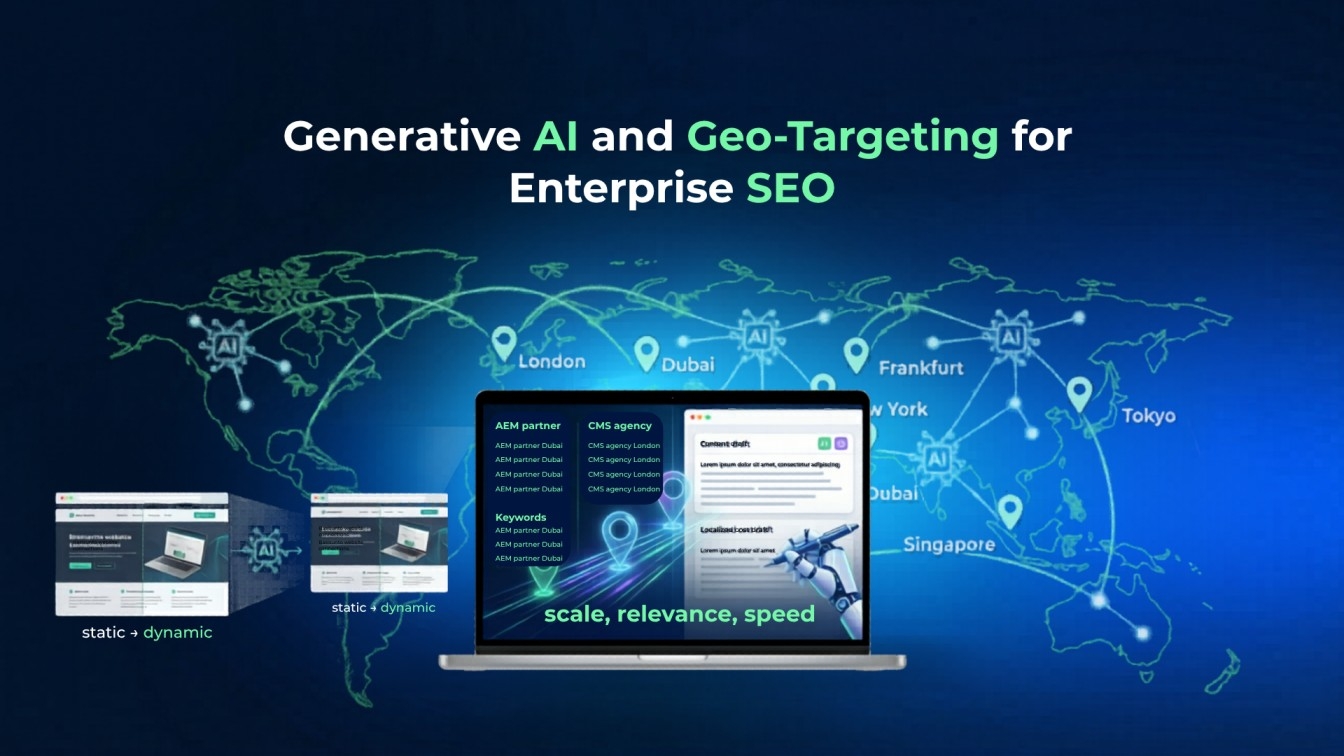
Generative AI and geo-targeting are totally transforming how big companies create and improve their search content. Nail it, and those huge, dull corporate websites quit being static brochures. They turn into 24/7 localized machines that drive real growth.
Why This Combo Actually Matters for Enterprise SEO
If you run SEO for a massive website, you already know the old game is dead. It's not just about sprinkling a few keywords and chasing backlinks anymore. You’re wrangling thousands of pages across dozens of regions. And customer expectations change by the minute. Bringing generative AI and geographic data together fixes three massive headaches: scale, relevance, and speed.
Scale:
AI plus location data helps you quickly create content for many places automatically—while keeping your brand on track.
Relevance:
Your messages match what locals really search for, with the right words and following local rules.
Speed:
Test things out. Learn. Iterate across different regions without waiting months for manual approvals.Backend management supercharges this by optimizing server response times through caching strategies, database query efficiency, and Content Delivery Networks (CDNs), slashing load times and enabling real-time updates for geo-targeted content
Simply put,enterprise SEO stops being a frantic race to outsmart Google algorithms. It becomes a smart, human-focused content machine.
Use Case 1: Doing Geo-Aware Keyword Research (at Scale)
AI absolutely flips how we find and group keywords across different countries or even specific cities. Forget building one giant global keyword list and trying to force it everywhere. Instead, you can do this:
- Spin up keyword sets tailored to specific cities or countries using actual, on-the-ground search queries.
- Group those queries into logical buckets. Think "AEM implementation partner in Dubai" versus "headless CMS agency in London."
- Map every single cluster to a specific type of content. Maybe that's a solution page. Or a regional landing page, a support doc, or a fresh case study.
So, if your company runs on AEM or another big enterprise CMS, you can tie these localized keyword clusters straight into your content templates. It makes life incredibly easy for regional teams. They can finally launch pages that look consistent but actually speak directly to the locals.
Use Case 2: Localized Content that Meets Corporate Standards
Sure, generative AI is great at spitting out rough drafts of localized content. But huge companies need strict compliance, high quality, and serious brand consistency. So the best play here is an "AI-assisted, human-approved" setup:
- Let AI write the regional variations of your main pages. Services, solutions, FAQs—let the bots do the heavy lifting.
- Feed your specific brand voice rules into the prompt. Tell it to be expert, confident, or visionary. Keep those guardrails tight.
- Push those AI drafts right through the normal approval workflows you already have in your CMS or DXP.
This way, massive global brands keep their core story straight. But they still manage to hit on the local regulations, cultural quirks, and specific industry slang for every single region.
Use Case 3: Geo-Personalized Experiences on DXPs
Most modern Digital Experience Platforms already handle the basics of personalization and audience segmentation. But when you drop generative AI on top of geographic signals? Things get really smart.
- You can show highly specific value propositions, pricing details, or legal disclaimers based strictly on where the visitor is sitting.
- Swap out hero messages and calls-to-action on the fly to fit the current market.
- Rustle up localized text snippets for banners or support modules almost instantly.
Back this kind of geo-personalization with a solid, cloud-native architecture, and you've got a winner. Enterprises can hand over lightning-fast, highly relevant experiences to users all over the map. And they do it without sacrificing a shred of security.
Use Case 4: Keeping Up with Enterprise SEO Maintenance
Let's be honest. For giant websites, half of the SEO job is just doing chores. Fixing broken links, beefing up thin content, hunting down duplicate pages. It's exhausting. But AI paired with geo-analytics can actually automate a lot of this grunt work:
- Spot the exact regions where organic traffic is tanking. The AI can point out the likely culprits, whether that's a content gap or a sneaky technical glitch.
- Get smart suggestions for content upgrades in specific markets. Think fresh FAQs, snappier meta descriptions, or highly local case studies.
- Catch duplicate pages cluttering up different regions and figure out how to merge them.
If you have decent governance and DevSecOps practices running, these AI suggestions just feed directly into the backlog for your global teams to knock out.
The Blueprint for Getting This Done
You can't just buy a few tools and expect this to work. To actually pull off AI and geo-targeted SEO, big companies need a rock-solid delivery model.
- Strategy and governance: Figure out exactly what your SEO goals are for each region. Set hard rules for quality. Decide exactly where the bots help out and where a real human needs to sign off.
- Platform and data integration: Hook up your CMS or DXP (like AEM or a headless setup) to your analytics and geo data. The AI needs fresh, accurate numbers to do its job.
- Content workflows: Build a system where AI writes the messy first draft, editors clean it up, and managers approve it. Bake version control right into the process.
- Testing and experimentation: Run A/B tests. Roll things out slowly to see how these AI-generated, geo-specific experiences actually perform. This is incredibly important if you're in a highly regulated industry.
- Continuous optimization: Don't treat this like a one-and-done project. It's an ongoing evolution. You have to constantly tweak your prompts and playbooks as the market shifts.
How Ayasya Makes This Happen
Ayasya Digital Solutions pulls all this together. We blend enterprise CMS, headless tech, AI automation, and cloud platforms to build massive, search-optimized experiences. Our teams set up workflows that actually make sense for humans. The generative AI speeds up the boring research and writing parts. Meanwhile, your brand's reputation and compliance stay totally locked down.
For companies wanting to drag their SEO into the modern era using AI and geo-targeting, it's no longer a question of "if." It's about how to pull it off securely and at scale without breaking things. And honestly? That’s exactly where having an engineering partner with deep roots in CMS, AI, and cloud tech makes all the difference in the world.
 Russian
 English
 Arabic
 French
 Spanish
 Portuguese
 Deutsch
 Turkish
 Dutch
Dutch
 Italiano
 Romaian
 Portuguese (Brazil)
 Greek
Greek
