


 Ban & Monetization Policy
 MyLiveRoom Rewards Program Rules & Eligibility
Best Materials Used in Log Cabin Caulking Explained
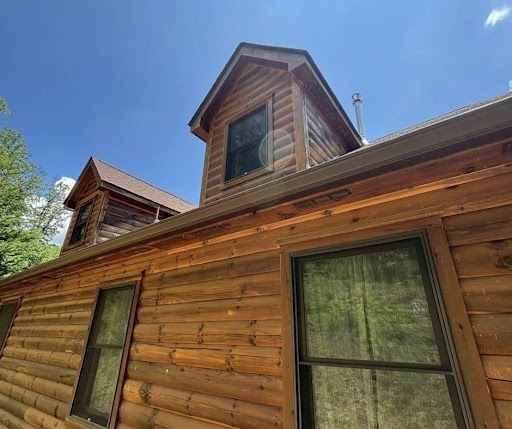
Log cabins look tough. Solid. Like they can handle anything nature throws at them. But truth is, they’re full of tiny gaps, seams, and movement points that need attention over time. That’s where log cabin caulking comes in. Not glamorous work, but yeah, it matters a lot more than people think. If the wrong material goes in there, you’ll feel it—drafts, moisture, even bugs. I’ve seen cabins that looked perfect outside but were basically leaking air from every joint. So yeah, choosing the right caulking material isn’t just a detail, it’s the difference between a cabin that lasts and one that slowly falls apart.
Why the Right Caulking Material Actually Matters
Most folks assume caulking is just… filler. Something you slap into cracks and forget. Not really. Logs expand, shrink, twist a little depending on weather. So the material you use has to move with it. If it’s too stiff, it cracks. Too soft, it won’t hold shape. Either way, you’re back to square one. Good caulking seals out water, blocks air leaks, and helps keep your heating bill from going crazy. Bad caulking? It fails quietly at first. Then suddenly you’ve got bigger problems. Mold, rot, the works. Not fun to fix later.
Traditional Chinking vs Modern Caulking Materials
Back in the day, people used whatever they had—mud, straw, lime mixtures. That’s traditional chinking. It worked, kind of. But it wasn’t flexible, and it didn’t last long without constant patching. Modern log cabin caulking materials are built differently. They’re elastic. They stretch. They stick better. You can still get that classic chinked look, but with materials that actually perform. So unless you’re restoring a historical piece and want it fully authentic, modern options are just… smarter. Less maintenance, fewer headaches.
Acrylic Latex Caulking for Log Cabins
Acrylic latex is one of the more common options out there. Easy to apply, cleans up with water, doesn’t smell too bad either. It sticks well to wood, which is important. The decent ones have some flexibility, though not as much as premium materials. That’s where it can fall short. In areas with heavy temperature swings, it may start to crack over time. Still, for small gaps or interior work, it gets the job done. Just don’t expect miracles from the cheaper versions—they tend to dry out faster than you’d like.
Polyurethane Caulking: Tough but Tricky
Polyurethane caulking is strong. Really strong. It bonds like crazy and handles moisture well, which is great for exterior logs. But here’s the catch—it’s not the easiest thing to work with. It can get messy, and once it’s on, it’s on. No easy cleanup. Also, it’s not always as flexible long-term as you’d expect. Some formulas harden more than they should. So yeah, it’s durable, but you’ve gotta know what you’re doing when applying it. Otherwise, you might regret it halfway through the job.
Silicone-Based Caulking (And Why It’s Not Always Ideal)
People love silicone for bathrooms and kitchens, so they assume it works everywhere. Not exactly. Silicone doesn’t bond well with wood over time, especially logs that expand and contract. It’s flexible, sure, but it can peel away. And once you use silicone, repainting becomes a pain—it doesn’t take paint well at all. So while it might seem like a quick fix, it’s usually not the best choice for log cabin caulking. There are better, more wood-friendly options out there.
Butyl Rubber Caulking for Flexibility
Butyl rubber is one of those underrated materials. It stays flexible for a long time, which is exactly what log structures need. It also resists water pretty well. The downside? It can be a bit sticky to handle, and not always the prettiest finish. But function-wise, it does its job. If you’re dealing with areas that move a lot—like between logs or around windows—it’s worth considering. Not flashy, but reliable.
Specialized Log Home Caulking Products
Now this is where things get interesting. There are caulking products made specifically for log homes. Brands design them to stretch—sometimes up to 500% of their original size. That’s huge. These materials stay flexible, adhere properly, and hold up against weather without breaking down fast. They’re not the cheapest option, yeah, but they save you from redoing the work every couple of years. If you’re serious about maintaining your cabin, this is usually the way to go. No shortcuts here.
Application Matters More Than You Think
Even the best material won’t help if it’s applied poorly. Seen that too many times. Gaps not cleaned properly, wrong thickness, uneven lines—it all adds up. You need a clean surface, proper backing (like foam backer rods), and steady application. Take your time. Rushing this part always shows later. And don’t forget weather conditions—applying caulking in extreme cold or heat can mess with how it cures. Little details, but they matter.
Where Caulking Fits into Long-Term Cabin Care
Here’s the thing—caulking isn’t a one-time job. It’s part of ongoing log house maintenance whether people like it or not. You check it, touch it up, replace sections when needed. Same as staining or sealing. Ignore it, and the structure starts paying the price. Stay on top of it, and your cabin stays tight, dry, and solid. It’s not exciting work, but it’s necessary. No way around it.
Conclusion
At the end of the day, picking the right material for log cabin caulking isn’t about what’s cheapest or easiest—it’s about what actually works over time. Logs move. Weather changes. Things shift. So your caulking needs to handle all that without failing every season. Whether you go with acrylic, polyurethane, or a specialized product, just make sure it fits the job. Do it right once, and you save yourself a lot of trouble later. Do it wrong… well, you’ll be fixing it sooner than you think.
 Turkish
 English
 Arabic
 French
 Spanish
 Portuguese
 Deutsch
 Dutch
Dutch
 Italiano
 Russian
 Romaian
 Portuguese (Brazil)
 Greek
Greek
