


 Ban & Monetization Policy
 MyLiveRoom Rewards Program Rules & Eligibility
How Does a Brass Ball Valve Factory Control Product Quality?
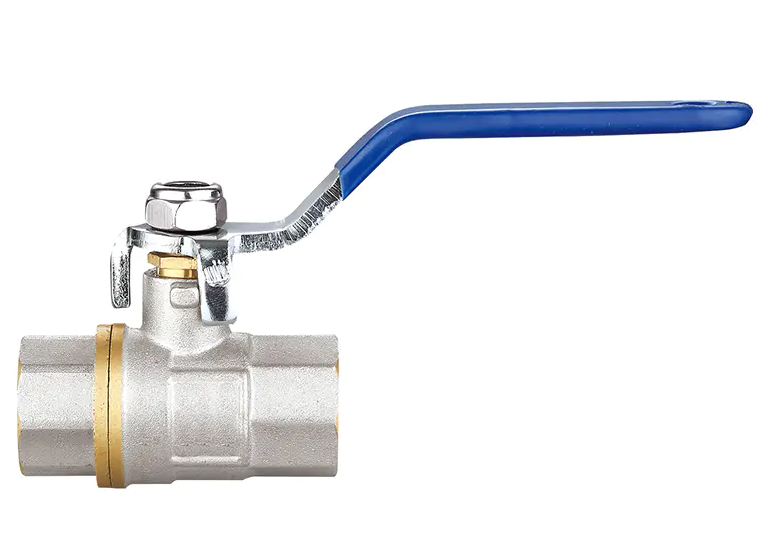
Somewhere behind every functioning plumbing system, heating circuit, gas line, and industrial fluid network is a brass ball valve doing its job without complaint. Turn the handle a quarter rotation, and flow stops or starts with clean mechanical authority. That simplicity is deceptive — producing a brass ball valve that performs that function reliably across years of cycling, pressure fluctuation, and temperature variation requires a factory built around genuine engineering discipline.
A brass ball valve factory begins its process with raw brass alloy, most commonly dezincification-resistant brass grades such as CW617N or CW602N, chosen for their corrosion resistance in potable water systems and their machinability in high-volume production environments. The alloy composition is not a detail to overlook. Standard brass with high zinc content is vulnerable to dezincification — a selective leaching process where zinc dissolves from the alloy matrix, leaving a weakened, porous copper structure behind. Factories supplying valves for drinking water applications specify and verify alloy grades through incoming material inspection, including spectrographic analysis of each batch before it enters the production line.
The ball and stem are the two components whose surface finish most directly determines valve performance over time. The ball — typically chrome-plated brass or stainless steel depending on the product range — must present a spherical surface accurate enough to seat cleanly against the PTFE seats without requiring excessive handle torque. Surface roughness on the ball directly affects seal integrity and the force required to operate the valve after extended service. Stems are machined with anti-blowout geometry, a feature that prevents the stem from being ejected from the valve body under line pressure if the packing nut is loosened during maintenance — a safety requirement mandated by several international standards.
 Russian
 English
 Arabic
 French
 Spanish
 Portuguese
 Deutsch
 Turkish
 Dutch
Dutch
 Italiano
 Romaian
 Portuguese (Brazil)
 Greek
Greek
