


 Ban & Monetization Policy
 MyLiveRoom Rewards Program Rules & Eligibility
Key Features of SAP Analytics Cloud That Strengthen SAP Integration Capabilities
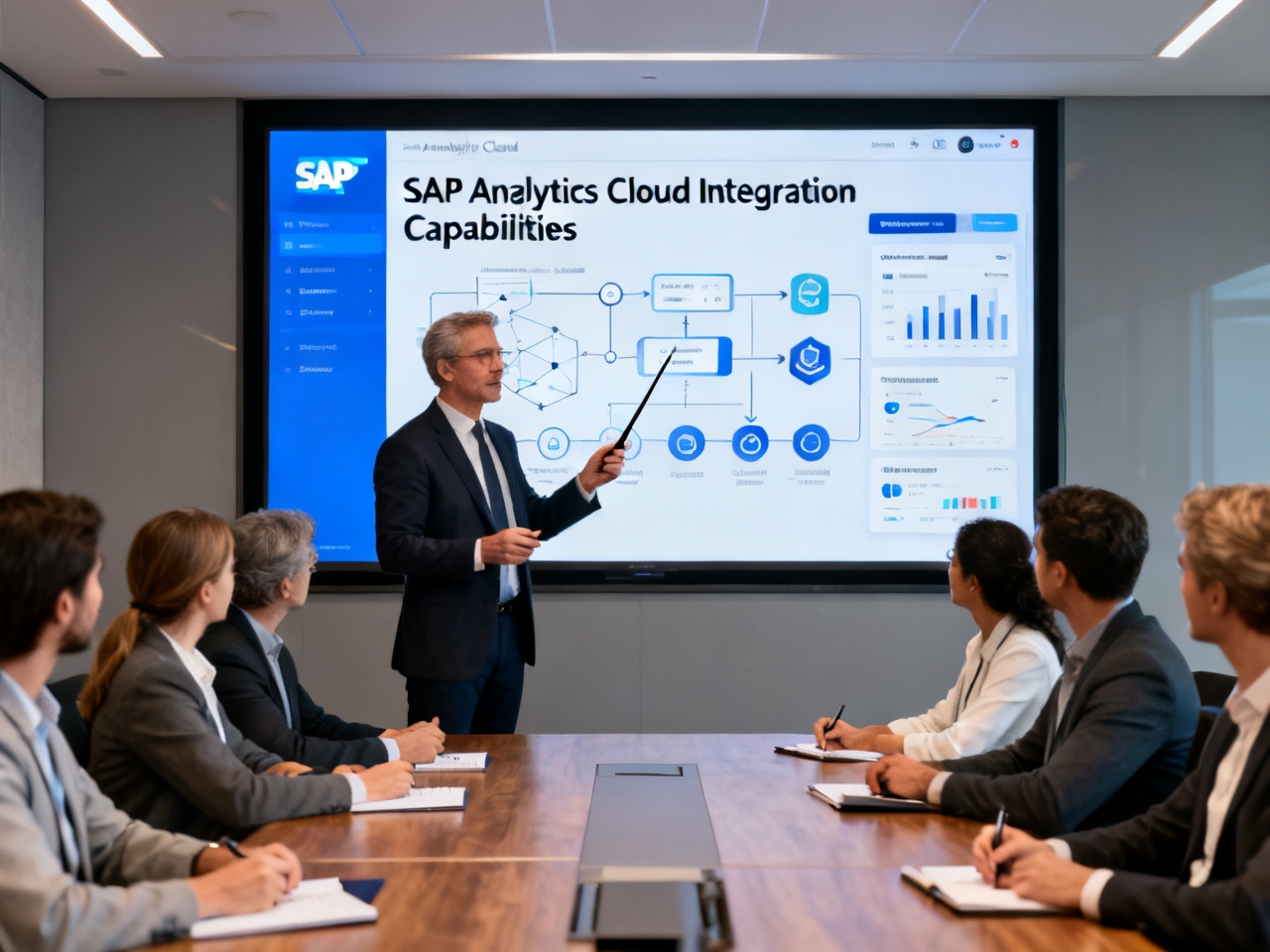
When businesses aim to unify their data landscape, SAP Analytics Cloud stands out as a powerful solution that seamlessly bridges analytics and enterprise systems. It is not just a reporting tool, it’s a complete platform designed to enhance connectivity, streamline workflows, and unlock real-time insights across the organization.
Unified Data Integration Across SAP Ecosystem
One of the strongest advantages of SAP Analytics Cloud is its native integration with core SAP systems like SAP S/4HANA, SAP BW, and SAP HANA. This tight coupling eliminates the need for complex third-party connectors and reduces data latency. Users can access live data without replication, ensuring that decisions are always based on the most current information available. This real-time connectivity plays a crucial role in maintaining data consistency and accuracy across business functions.
Live Data Connectivity and Hybrid Models
SAP Analytics Cloud supports both live data connections and data import models, giving organizations flexibility in how they manage and analyze data. Live connections allow users to query data directly from source systems, while hybrid models enable blending of SAP and non-SAP data. This flexibility strengthens integration strategies by accommodating diverse data environments without compromising performance.
Embedded Analytics and Business Intelligence
Another key feature is embedded analytics, which allows insights to be directly integrated into business processes. Instead of switching between multiple tools, users can access dashboards and reports within their operational workflows. This not only improves efficiency but also encourages data-driven decision-making at every level of the organization.
Advanced Planning and Predictive Capabilities
SAP Analytics Cloud goes beyond traditional reporting by offering planning and predictive analytics features. With built-in machine learning capabilities, users can forecast trends, identify patterns, and simulate business scenarios. These features enhance integration by aligning planning data with actual operational data, creating a unified view of business performance.
Secure and Scalable Cloud Architecture
Security and scalability are critical for enterprise integration, and SAP Analytics Cloud delivers on both fronts. Its cloud-native architecture ensures high availability, data security, and compliance with global standards. Organizations can scale their analytics capabilities as they grow, without worrying about infrastructure limitations.
Conclusion
In today’s data-driven world, organizations need tools that not only analyze data but also connect systems efficiently. SAP Analytics Cloud excels by offering robust features that enhance connectivity, improve data visibility, and support intelligent decision-making. By leveraging these capabilities, businesses can build a strong foundation for seamless SAP Integration, ensuring agility and long-term success.
For More Information:
A Complete Guide to SAP Integration for Better Reporting in SAP Analytics Cloud
Why Businesses Choose SAP Service Providers for Implementing Opentext Solutions
Future Trends in SAP Archiving Solutions and the Evolving Role of SAP Support
 Italiano
 English
 Arabic
 French
 Spanish
 Portuguese
 Deutsch
 Turkish
 Dutch
Dutch
 Russian
 Romaian
 Portuguese (Brazil)
 Greek
Greek
