


 Ban & Monetization Policy
 MyLiveRoom Rewards Program Rules & Eligibility
How to Monitor Risk Controls Over Time for Effectiveness
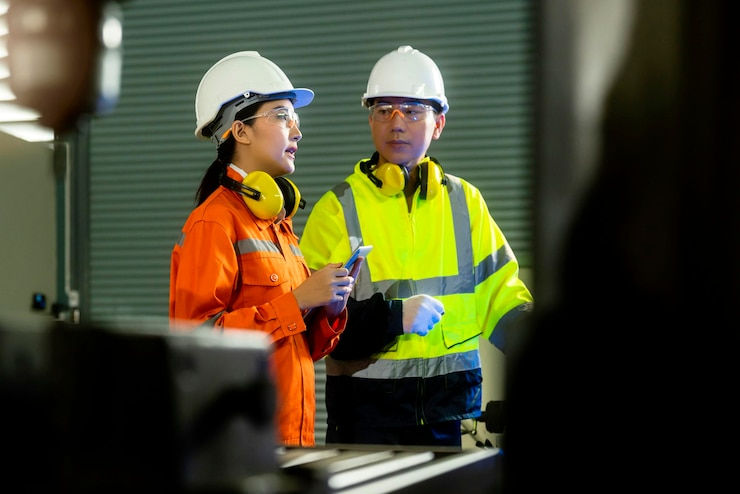
When it comes to keeping your workplace safe, putting risk controls in place is only half the job — keeping them effective over time is where real safety lives. Many companies roll out safety barriers, protective measures, or new working procedures and feel they’ve done enough. But without regular checks, these measures can slowly lose their power, leaving people exposed to dangers you thought you’d managed.
A great example is the OSHA 30 hour Construction Training program. It doesn’t just teach workers about hazards on a construction site — it shows them how to maintain safety controls daily and watch for signs that something is failing. When workers and managers understand this, they’re better prepared to notice when a risk control isn’t doing its job anymore.
Why Monitoring Safety Measures Matters
Think about a simple protective fence around a dangerous machine. The fence might stop someone from getting too close today. But what if, over time, bolts loosen, panels rust, or someone removes a part for maintenance and forgets to put it back? Suddenly, a trusted guard is no longer keeping people safe.
The same idea applies to every safety measure — whether it’s protective clothing, an emergency exit plan, or safe chemical storage. Things wear out, people get complacent, or work conditions change. So, regular monitoring is the only way to keep safety alive.
Common Pitfalls When Controls Are Not Watched
Many workplace accidents happen because controls that once worked perfectly slowly stop doing their job. For instance:
-
A fire extinguisher expires but no one notices.
-
Workers skip steps in a safe work procedure when under pressure.
-
A ventilation system gets clogged, failing to clear out harmful fumes.
A good safety plan includes clear steps to check for these problems. So, how can you do it well?
Step 1: Know What Needs Watching
The first step is knowing exactly which controls you have in place. Make a detailed list: protective barriers, warning signs, alarms, personal protective equipment, safety rules, and emergency plans.
For each item, ask:
-
What risk does this control manage?
-
How could it fail?
-
What signs will show it’s not working?
When everyone knows what to watch for, problems are caught faster.
Step 2: Decide How Often to Check
Not all controls need the same level of attention. For example, a fire alarm might need a test every month, while protective gloves should be checked before every shift.
Think about:
-
How likely the control is to fail.
-
How serious the harm would be if it failed.
-
What the law says (some checks are legally required).
Create a monitoring schedule that suits each control’s importance and vulnerability.
Step 3: Involve Everyone
Safety isn’t just the safety manager’s job. Workers on the front line often spot problems first — if they know what to look for. Training is crucial. Programs like the OSHA 30 hour Construction Training teach workers to recognize risks and report them properly.
A real story helps here: On a large site, a worker noticed that a protective shield on a grinding machine was rattling during use. Because he’d been trained to speak up, he reported it immediately. The shield was fixed the same day, preventing a possible injury.
Step 4: Keep Good Records
Monitoring is useless if no one knows what was checked or what was found. Keep clear records of:
-
What was inspected.
-
When it was inspected.
-
Who did it.
-
What problems were found.
-
What was done to fix them.
This paperwork doesn’t just keep you organized — it can protect your company during an audit or investigation.
Step 5: Take Immediate Action on Weaknesses
When a check shows a problem, don’t wait. If a control is failing, fix it or replace it immediately. If it will take time to fix, put in temporary measures to keep people safe.
For example, if a safety guard must be removed for maintenance, stop the machine or put up barriers so no one can get hurt while repairs are happening.
Step 6: Use the Information to Improve
Monitoring risk controls is not just about catching failures — it’s also about learning what works and what doesn’t. If you keep finding the same problems, maybe the control isn’t suitable in the first place. Maybe you need a stronger barrier, better equipment, or clearer instructions.
Hold regular meetings to talk about what monitoring shows and how you can make controls stronger.
Step 7: Update Controls When Things Change
Workplaces change. New equipment comes in, processes are upgraded, or the team grows. Every change can affect your existing controls.
Make it a habit to review controls whenever you:
-
Add new tasks or tools.
-
Change the work layout.
-
Bring in new chemicals or materials.
-
Learn about a better way to control a risk.
This keeps your safety measures relevant and strong.
How Technology Can Help
Today’s technology makes monitoring easier than ever. Many companies now use digital tools to:
-
Set reminders for checks.
-
Keep digital inspection records.
-
Use sensors to alert if something goes wrong.
For example, modern gas detectors can send automatic alerts if toxic levels rise. This takes human error out of the equation and gives instant warning when a control needs attention.
Encourage a Culture of Reporting
One of the best ways to keep controls strong is building a workplace culture where everyone feels responsible for safety. Encourage workers to:
-
Report hazards immediately.
-
Suggest better ways to manage risks.
-
Never ignore a failing control.
Reward people for speaking up. A strong safety culture means more eyes watching, which means problems get fixed before someone gets hurt.
Keep Supervisors and Managers Accountable
Frontline workers do the daily checks, but supervisors and managers must support them by:
-
Providing enough time for proper inspections.
-
Acting quickly on reports.
-
Reviewing monitoring reports regularly.
-
Giving feedback to improve controls.
This teamwork keeps the whole system healthy.
Training Makes the Difference
Many accidents happen not because people don’t care, but because they don’t know how to spot problems. That’s where practical training comes in.
Courses like the OSHA Training Course give workers and managers the skills they need to understand hazards, controls, and the signs of trouble. Investing in quality training pays back by preventing costly accidents and keeping your team safe.
Final Thoughts
Workplace safety isn’t about a one-time fix. It’s an ongoing promise to keep people safe every day. Monitoring risk controls is the backbone of that promise. By following these steps, training your people well, and encouraging open communication, you’ll keep your risk controls strong and your workplace protected.
 English
 Arabic
 French
 Spanish
 Portuguese
 Deutsch
 Turkish
 Dutch
Dutch
 Italiano
 Russian
 Romaian
 Portuguese (Brazil)
 Greek
Greek
