


 Ban & Monetization Policy
 MyLiveRoom Rewards Program Rules & Eligibility
Linkcool Fact Check: Air Heater Fuel Per Hour – High or Low
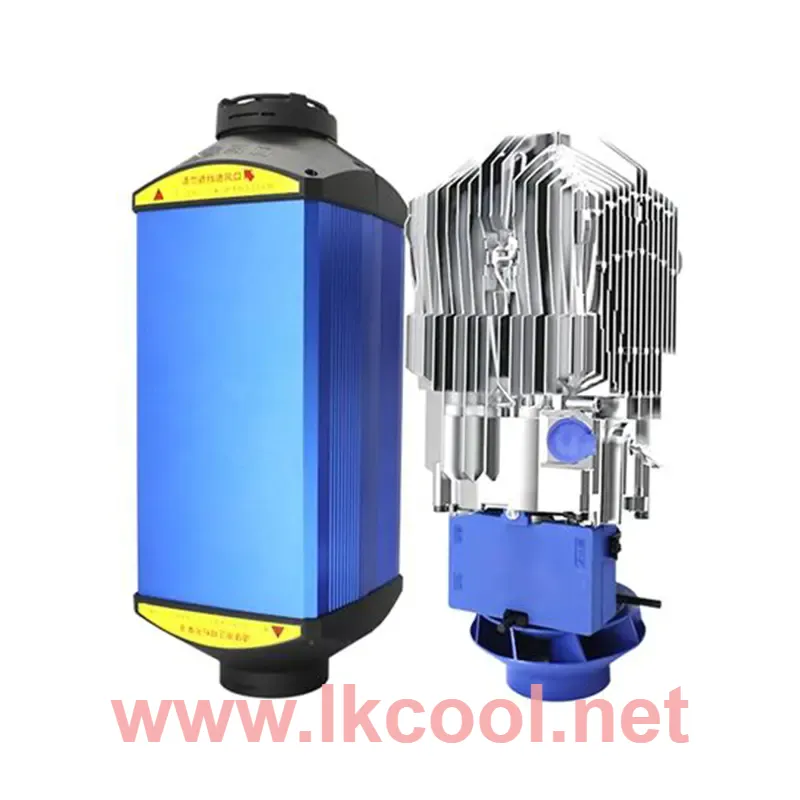
A cold truck cabin before dawn challenges every long haul driver. Idling the engine wastes fuel and adds engine wear. A parking Air Heater solves that problem, yet drivers keep asking one practical question: what does it actually consume per hour of operation? Manufacturers like lkcool publish ratings, but real fuel draw depends on several conditions inside the vehicle and the heater itself.
Fuel type determines baseline consumption. Diesel parking heaters dominate the trucking industry because diesel fuel sits available in the main tank. A small combustion chamber atomizes fuel, ignites it, and passes heat through an exchanger. The blower then pushes warm air into the sleeping area. On a low setting, a typical diesel unit draws between 0.1 and 0.25 gallons per hour. At maximum power, consumption may reach 0.4 gallons per hour. That range means an eight hour rest period uses roughly one to three gallons. Gasoline versions for van conversions behave similarly but with slightly different energy density, consuming approximately 0.1 to 0.2 gallons per hour at moderate output.
Power setting directly changes fuel flow. An Air Heater runs at partial load most of the time during steady temperature maintenance. The initial warm up phase demands full combustion, pushing consumption toward the high end for the first fifteen minutes. After the cabin reaches desired warmth, the controller reduces fuel injection and fan speed. Some models pulse the fuel pump intermittently, lowering consumption by half compared to startup mode. A driver who sets the thermostat to a moderate temperature avoids continuous high draw operation. Cranking the heat to maximum forces the unit to stay in boost mode, doubling hourly fuel use without necessarily improving comfort.
Insulation quality acts as an unseen variable. A poorly insulated cargo van loses heat through metal walls and single pane windows. The Air Heater must fire more frequently to replace lost warmth. A well insulated cabin with thermal curtains and floor mats retains heat, allowing the heater to cycle off between burns. That cycling reduces average fuel consumption per hour by as much as forty percent. An owner who adds spray foam or reflective insulation to walls directly lowers the heater's workload. In contrast, a bare metal trailer forces the unit to run almost continuously, turning a modest 0.15 gallon per hour into a persistent 0.3 gallon draw.
Ambient temperature sets the floor for consumption. A freezing night at twenty degrees Fahrenheit demands twice the heat output compared to a cool evening at forty degrees. The heater's control logic senses return air temperature and adjusts fuel accordingly. At very low temperatures, the combustion chamber reaches peak frequency, and the blower runs at high speed. Hourly fuel use climbs toward the manufacturer's maximum rating. Drivers operating in northern climates should size their heater appropriately. An undersized unit struggles to reach set temperature, running nonstop and actually increasing total fuel use. A correctly sized parking heater reaches target warmth and then idles down, saving fuel over an eight hour rest period.
Altitude introduces another factor. At high elevations, oxygen concentration decreases. The heater's combustion fan must push harder to maintain proper air fuel mixture. Some controllers compensate by increasing fuel flow to prevent flame dropout. A driver crossing mountain passes at seven thousand feet may notice slightly higher consumption per hour compared to sea level operation. Manufacturers like lkcool design units with altitude compensation in some models, but basic heaters lack this feature. Checking the technical manual for altitude limits prevents unexpected fuel use and potential shutdowns.
Maintenance history influences efficiency. A clean glow plug and nozzle produce complete combustion, extracting maximum heat from each drop of fuel. Carbon buildup around the combustion chamber insulates the flame, requiring longer run times to achieve the same cabin temperature. A parking heater with a dirty fuel filter or clogged intake screen draws the same amount of fuel but delivers less usable heat. That inefficiency translates to higher hourly consumption without any change in driver settings. Annual cleaning of the burner mesh and replacement of the glow plug restores original efficiency. Neglected units drift toward higher fuel use gradually, often unnoticed until a fuel tank empties faster than expected.
Electrical load plays a supporting role. The blower fan, fuel pump, and control board draw battery power. While this electrical demand does not directly affect fuel consumption, a weak battery forces the heater to cycle differently or shut down prematurely. Some drivers compensate by running the heater at a higher setting to warm the cabin quickly, then turning it off completely. That start stop pattern actually increases fuel use per hour of heated time because each cold start requires a high power warm up phase. Continuous operation at a low or medium setting proves more fuel efficient per hour of actual comfort.
To make an informed choice, a driver should measure actual consumption rather than trust marketing statements. A simple test involves filling a small auxiliary tank, running the parking heater for one hour on a typical setting, then measuring the remaining fuel with a graduated cylinder. That test reveals true hourly draw for that specific vehicle and climate. Visit https://www.lkcool.net/product/ to explore parking heater options where engineering choices directly affect hourly fuel use. An Air Heater that burns fuel reasonably per hour transforms cold nights into restful sleep without emptying the main diesel tank by morning.
 French
 English
 Arabic
 Spanish
 Portuguese
 Deutsch
 Turkish
 Dutch
Dutch
 Italiano
 Russian
 Romaian
 Portuguese (Brazil)
 Greek
Greek
