


 Ban & Monetization Policy
 MyLiveRoom Rewards Program Rules & Eligibility
Why Bifacial Technology is Changing Solar Power Forever
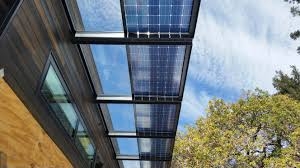
The solar energy industry experiences a rapid transformation, and a single advanced technique improves the efficiency of solar power systems. The bifacial solar module absorbs light from both its front and back sides, while regular panels only do that from one side. Its design enables the system to produce much higher energy output from each unit of installation space. This technology enables huge projects to transform their operational capabilities.
How BiFacial Panels Gather Extra Energy
Most solar panels have a solid back that loses any light that bounces off it. Bifacial solar panels, on the other hand, have clear back sheets or two layers of glass around them. Albedo radiation refers to sunlight that reflects off various surfaces, including ground areas, adjacent walls, and white roofing materials. The back side of the system collects this type of radiation.
This type of solar panel installation achieves a maximum energy gain of thirty percent when installed on highly reflective surfaces such as white dirt, concrete, or snow. The back side works best when the sun is low in the sky in the morning and evening. This expansion results in two benefits: it creates more generation time during the day, and it makes the solar output pattern for the day less like a typical bell curve. Many project developers now prefer this form because it provides more kilowatt hours without needing more land or changes to the structure.
Where This Technology Works Best
The effectiveness of bifacial solar modules depends on the specific installation site. The back side of the mounting system achieves excellent light access when the mounting devices reach sufficient height above the floor. The best places to put them are in garages, solar farms for farms, and flat roofs with white coverings.
Vertical installations, like solar fences or panels that face east to west, also get a lot out of this. Each bifacial solar module gets sun in the morning on one side and in the afternoon on the other. This technology lowers daytime operational peaks while extending energy production throughout the entire day. This characteristic proves useful to utility companies because it reduces the grid system pressure during peak usage times.
Long-term durability and cost savings
Most bi-facial panels use glass on both sides as their backing material instead of plastic back sheets. This design prevents bifacial solar panels from experiencing water damage, UV degradation, and fire ignition. The dual glass design stops tiny cracks from forming when the glass is handled or during extreme weather. Many companies that make bifacial products offer longer warranties, sometimes up to thirty years instead of the usual twenty-five.
The market price of a bifacial solar module has decreased significantly since its initial introduction. The current market prices for solar panels are lower than the previous prices because of improved manufacturing processes and increased production volumes.
Things to Think About When Installing for Maximum Gain
Your system will reach its complete potential when you install it with a proper design for bifacial solar panels. The mounting structure can't have any tracks or junction boxes that block the view from the back. The higher current output of bifacial panels requires inverters to have higher current capacity than standard models. Ground reflection patterns experience seasonal changes that depend on soil moisture levels and plant growth cycles. A properly designed bifacial array outperforms traditional systems even during cloudy weather conditions.
Conclusion
To achieve maximum solar energy production from the sun, we require the implementation of next-generation solar technology. The bifacial solar module operates beyond standard panels because it generates higher energy output, maintains longer operational life, and delivers superior financial performance. Your rooftop system or utility-scale farm will receive complete solar energy collection through bifacial solar panels because the system captures sunlight from both sides of the glass.
 Spanish
 English
 Arabic
 French
 Portuguese
 Deutsch
 Turkish
 Dutch
Dutch
 Italiano
 Russian
 Romaian
 Portuguese (Brazil)
 Greek
Greek
