


 Ban & Monetization Policy
 MyLiveRoom Rewards Program Rules & Eligibility
What First-Time Buyers Miss About Wedding Bands
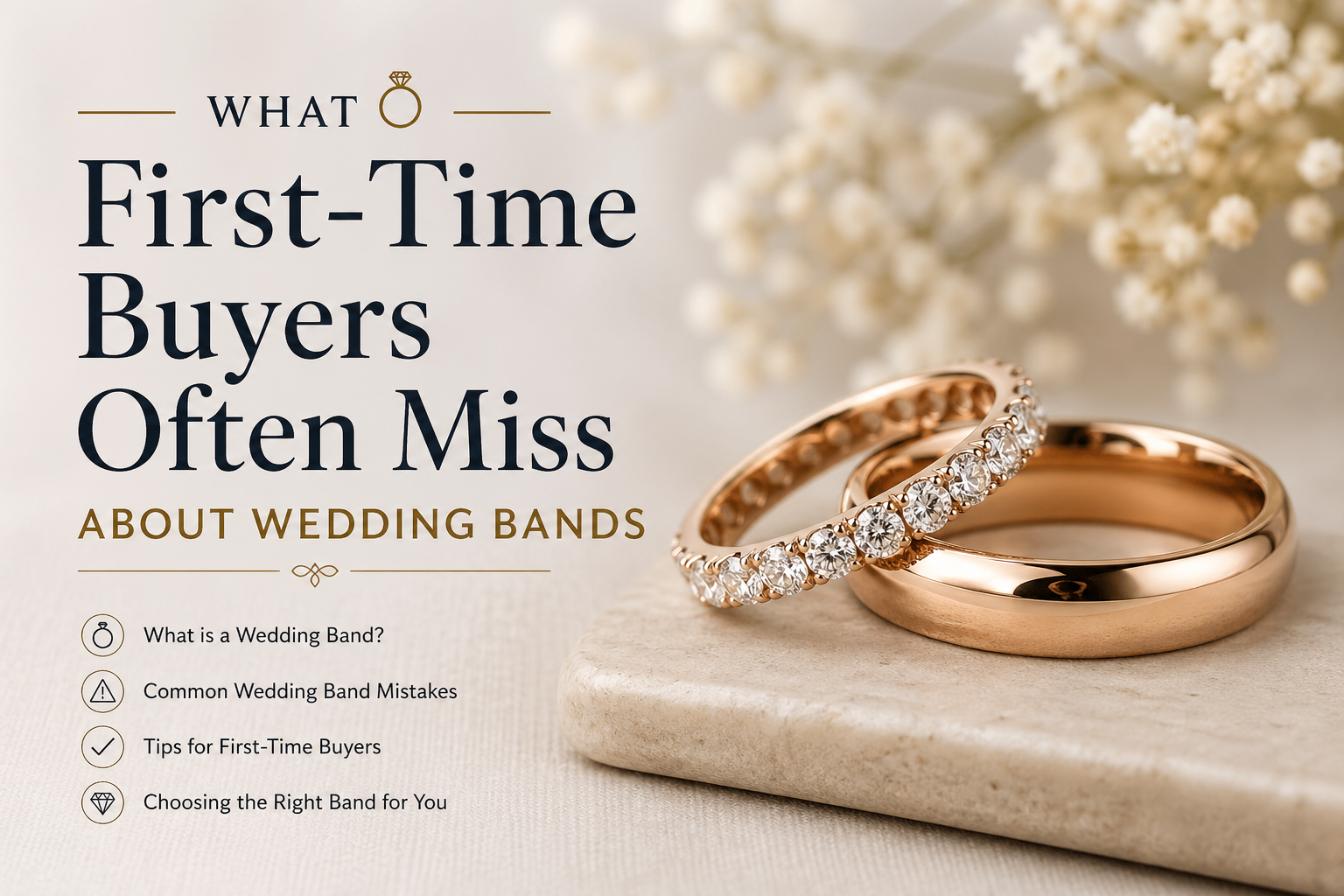
uying a wedding band feels simple at first. It’s a ring you’ll wear every day, often chosen after the engagement ring, and many assume it’s just about matching the look. But once you start exploring options, it becomes clear that there are details most first-time buyers overlook.
This beginner wedding band guide breaks down the common gaps in understanding—from fit and comfort to styling and long-term wear—so you can make a confident decision that works beyond the wedding day.
Understanding the Role of a Wedding Band
What is a Wedding Band?
Before diving into mistakes, it helps to clarify the basics. If you’re wondering what is a wedding band, it’s traditionally a ring exchanged during the ceremony to represent commitment. Unlike engagement rings, wedding bands are designed for daily wear, which means comfort and durability matter just as much as design.
Why It’s Different From an Engagement Ring
Engagement rings often feature a center stone and detailed settings. Wedding bands, on the other hand, are usually simpler in structure but carry more responsibility—they stay on your hand every day. This difference changes how you should approach your choice. If you’re still exploring the basics, you can read more about wedding bands.
Common Wedding Band Mistakes First-Time Buyers Make
1. Choosing Style Over Comfort
One of the biggest wedding band mistakes is prioritizing appearance without thinking about how the ring feels. A band may look perfect in a display but feel heavy, sharp, or restrictive after hours of wear.
What to Consider:
- Rounded inner edges for comfort (comfort-fit bands)
- Band width that suits your finger size
- Weight balance for all-day wear
A wedding band should feel natural, almost unnoticeable after a while.
2. Ignoring Daily Lifestyle
Your routine plays a major role in how your ring performs. Many first-time buyers overlook this and choose designs that don’t match their lifestyle.
Ask Yourself:
- Do you work with your hands frequently?
- Are you active or involved in sports?
- Do you prefer minimal or statement jewelry daily?
For active lifestyles, smoother bands or low-profile diamond settings are more practical than raised or intricate designs.
3. Not Thinking About Ring Pairing
Your wedding band doesn’t exist in isolation. It sits next to your engagement ring (if you have one), and the pairing matters more than most expect.
Common Oversight:
- Bands that don’t sit flush with engagement rings
- Mismatched shapes or proportions
- Overcrowded look on the finger
Better Approach:
- Contoured or curved bands for better alignment
- Matching metal tones or intentional contrast
- Balanced spacing between rings
A well-paired set feels cohesive rather than forced.
4. Overlooking Metal Choice
Metal is often treated as a visual decision, but it affects durability, maintenance, and long-term wear.
Popular Options:
- Gold (Yellow, White, Rose): Classic and versatile
- Platinum: Strong and naturally white
- Mixed metals: Growing in popularity for layered looks
Each metal behaves differently over time. For example, softer metals may show scratches more easily, while others hold their finish longer.
5. Choosing the Wrong Band Width
Band width changes how a ring looks and feels on your hand. First-time buyers often pick a width based on trends instead of proportion.
General Guide:
- Narrow bands (1.5mm–2mm): Subtle, minimal
- Medium bands (2.5mm–4mm): Balanced everyday look
- Wide bands (5mm+): Bold and noticeable
The right width should complement your finger size and personal style.
6. Skipping Long-Term Maintenance Considerations
A wedding band is not a one-time decision—it requires care over time. This is often missed in the buying process.
Things to Keep in Mind:
- Polishing and cleaning needs
- Potential resizing
- Stone security (for diamond bands)
Planning for maintenance ensures your ring stays in good condition for years.
Diamond Bands: What Buyers Often Miss
Diamond wedding bands are popular, but they come with additional considerations that first-time buyers sometimes overlook.
Stone Setting Matters
Not all diamond settings are equal in durability.
Common Types:
- Pavé: Small diamonds set closely together
- Channel: Stones secured between metal walls
- Bezel: Each diamond surrounded by metal
If you want something low-maintenance, channel or bezel settings offer more protection compared to exposed pavé designs.
Full Eternity vs Half Eternity
Many buyers are drawn to full eternity bands, but they’re not always practical.
Key Differences:
- Full Eternity: Diamonds all around (no resizing flexibility)
- Half Eternity: Diamonds on the top half (easier to resize)
Choosing between them depends on your priorities—appearance or flexibility.
How to Choose the Right Wedding Band
Focus on Daily Wear First
Before thinking about trends, focus on how the band fits into your daily routine. A ring that works with your lifestyle will always feel like the right choice.
Try Before You Decide
Photos don’t always reflect real-life wear. Trying different styles helps you understand:
- How the band feels
- How it pairs with other rings
- How it looks in natural light
Keep Design and Function Balanced
A good wedding band combines design and practicality. You don’t have to compromise one for the other, but you do need to consider both.
Beginner Wedding Band Guide: Quick Checklist
Before finalizing your choice, run through this checklist:
- Comfortable fit for all-day wear
- Suitable for your lifestyle
- Matches or complements your engagement ring
- Durable metal choice
- Practical stone setting (if applicable)
- Easy maintenance over time
This simple approach helps avoid the most common wedding band mistakes.
One Important Insight Most Buyers Miss
Many first-time buyers focus heavily on how the ring looks on day one, but the real value of a wedding band comes from how it feels over time.
A well-chosen band becomes part of your daily routine—something you don’t need to adjust, remove, or think about constantly. That ease is what defines a successful choice.
Final Thoughts
Choosing a wedding band is more than picking a design. It’s about understanding how that ring will fit into your life long after the ceremony.
By avoiding common mistakes—like ignoring comfort, overlooking lifestyle needs, or rushing into trends—you can choose a band that feels right every day.
For those exploring refined options and practical designs, collections like Antiquecut offer a thoughtful balance between wearability and detail, making it easier to find a piece that aligns with both style and daily use.
 French
 English
 Arabic
 Spanish
 Portuguese
 Deutsch
 Turkish
 Dutch
Dutch
 Italiano
 Russian
 Romaian
 Portuguese (Brazil)
 Greek
Greek
