


 Ban & Monetization Policy
 MyLiveRoom Rewards Program Rules & Eligibility
Spraying vs Rolling Kitchen Cabinets: Which Painting Method Works Best
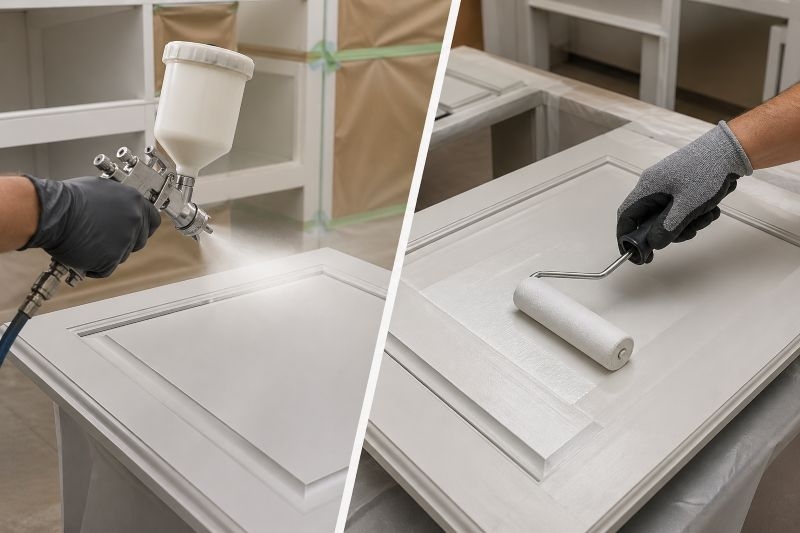
Kitchen cabinets dominate the visual space of a kitchen more than almost any other surface. Because of that, the method used to paint them matters just as much as the paint itself. Homeowners planning a cabinet refresh often ask whether spraying or rolling delivers better results—and the answer depends on goals, budget, surface condition, and expectations for durability and finish quality.
Understanding the strengths and tradeoffs of each approach helps you decide whether to tackle the project yourself or work with a professional painting contractor in Gresham OR like Premier Painting & Contracting LLC for a smoother outcome.
Why Cabinet Painting Method Matters More Than Most People Think
Cabinet painting is not the same as painting walls. Cabinets are high-touch surfaces exposed to moisture, grease, temperature changes, and daily handling. The finish must look smooth while remaining durable enough to resist chipping and wear.
The application method affects:
- surface smoothness
- adhesion quality
- long-term durability
- drying consistency
- project timeline
- cleanup requirements
Choosing the right technique ensures the finish looks professional instead of patchy or uneven after a few months of use.
The Case for Spraying Kitchen Cabinets
Spraying cabinets creates the sleek, factory-like finish many homeowners expect from modern kitchen updates.
How Cabinet Spraying Works
Spraying uses specialized equipment that atomizes paint into a fine mist, allowing even coverage across cabinet faces, edges, and recessed panels. Professional painters often remove cabinet doors and hardware before spraying for the most consistent results.
Advantages of Spraying Cabinets
Spraying offers several clear benefits:
Smooth, Professional Finish
Sprayers eliminate roller marks and brush strokes. The result closely resembles the finish of brand-new cabinets from a manufacturer.
Faster Application on Large Projects
Once surfaces are properly prepared and masked, spraying allows painters to cover large cabinet areas efficiently.
Better Coverage on Detailed Doors
Raised panels, grooves, and decorative trims are difficult to coat evenly with rollers. Sprayers reach these areas easily.
Even Paint Distribution
Sprayers apply thin, uniform coats that improve adhesion and reduce texture buildup.
Because of these advantages, spraying is often the best option when homeowners want a high-performance, modern finish that elevates the entire kitchen.
Challenges of Spraying Cabinets
Despite its benefits, spraying is not ideal for every situation.
Common drawbacks include:
- requires extensive masking and preparation
- needs specialized equipment
- involves more setup time
- demands ventilation control
- works best with professional experience
Without proper preparation, overspray can affect nearby surfaces and extend cleanup time significantly.
The Case for Rolling Kitchen Cabinets
Rolling remains a reliable option, especially for homeowners seeking a practical and affordable cabinet refresh.
How Cabinet Rolling Works
Rolling uses small foam rollers designed for smooth surfaces. These rollers help distribute paint evenly without leaving heavy texture when used correctly.
Professionals sometimes combine rolling with brush work to reach edges and corners.
Advantages of Rolling Cabinets
Rolling offers several practical benefits:
Easier Setup
Unlike spraying, rolling does not require extensive masking or specialized equipment.
Lower Project Cost
Rolling typically costs less because labor setup time is shorter and equipment needs are minimal.
Better Control in Tight Spaces
Rolling is ideal in kitchens where removing doors or isolating work areas is difficult.
Reduced Overspray Risk
Since paint stays contained within the roller, nearby surfaces remain protected.
Rolling is often the preferred approach for homeowners seeking a reliable upgrade without a full-scale refinishing setup.
Limitations of Rolling Cabinets
Rolling produces strong results but has some limitations:
- slight texture may remain visible
- recessed details are harder to coat evenly
- multiple coats may be necessary
- finish may not match factory smoothness
That said, experienced professionals can still achieve excellent results with rolling techniques.
When Spraying Is the Better Choice
Spraying is usually recommended when:
- cabinets have decorative paneling
- homeowners want a factory-like finish
- kitchen lighting highlights surface texture
- darker paint colors are used
- doors are removed during refinishing
- the goal is a top-rated visual upgrade
Spraying works especially well in full kitchen remodeling projects where preparation areas can be controlled efficiently.
When Rolling Is the Better Choice
Rolling makes more sense when:
- cabinets are flat-panel designs
- budget flexibility is limited
- the kitchen remains in daily use during painting
- minimal disruption is preferred
- ventilation conditions are restricted
A trusted painting contractor in Gresham OR can evaluate which method fits your space best before starting the project.
Real-World Example: Choosing the Right Method for a Gresham Kitchen Upgrade
A homeowner in the Gresham area recently wanted to modernize older oak cabinets without replacing them. The original cabinets featured raised panels and visible grain patterns. Because the goal was a contemporary painted finish that matched newly installed quartz countertops, spraying was selected.
Doors were removed and finished separately to ensure even coverage. After applying primer and multiple sprayed coats, the cabinets achieved a smooth surface comparable to newly manufactured units.
In contrast, another nearby project involved flat-panel cabinets in a smaller kitchen where homeowners preferred a quicker turnaround with minimal disruption. Rolling produced a clean, consistent finish while keeping the kitchen functional throughout the process.
These examples show how the right application method depends on layout, expectations, and workflow flexibility.
Surface Preparation Matters More Than Application Method
Whether spraying or rolling, preparation determines the final result.
Professional cabinet painting typically includes:
Cleaning
Kitchen cabinets collect grease that interferes with paint adhesion. Degreasing ensures long-term durability.
Sanding
Light sanding creates a surface that helps primer bond properly.
Priming
High-quality primer prevents stains from bleeding through and improves paint grip.
Repair Work
Small dents, chips, or scratches are corrected before painting begins.
Skipping preparation steps is the most common reason cabinet finishes fail prematurely.
Paint Type Also Influences the Final Outcome
Application method is only part of the equation. Cabinet-grade paint improves performance regardless of technique.
Professional painters often use coatings designed specifically for cabinetry because they provide:
- higher durability
- improved scratch resistance
- smoother leveling
- faster curing times
- moisture protection
Industry-leading cabinet paints also maintain color consistency longer than standard wall paint.
Why Many Homeowners Choose Professional Cabinet Painting
Painting cabinets appears straightforward but requires precision, equipment knowledge, and surface expertise.
Working with a reliable contractor offers several advantages:
Consistent Finish Quality
Experienced painters understand how to apply coatings evenly across different cabinet materials.
Faster Project Completion
Professionals follow proven workflows that reduce downtime.
Long-Term Durability
Proper preparation and application extend the life of cabinet finishes.
Safer Work Environment
Controlled masking and ventilation reduce exposure to overspray or fumes.
Premier Painting & Contracting LLC brings well-experienced cabinet refinishing expertise to homeowners seeking results-driven kitchen transformations.
Combining Spraying and Rolling for the Best Results
Many professionals actually use both techniques in a single cabinet project.
For example:
- cabinet doors are sprayed
- cabinet frames are rolled
- trim areas receive brush finishing
This hybrid approach balances efficiency with finish quality and helps control costs while delivering a polished appearance.
How to Decide What’s Right for Your Kitchen Cabinets
Before choosing a method, consider these questions:
Do you want a factory-like finish or a refreshed painted look?
Is your kitchen layout suitable for masking and spraying?
Can cabinet doors be removed temporarily?
Are you prioritizing speed, cost savings, or appearance?
A professional evaluation helps homeowners choose the best approach based on cabinet condition and design goals.
Final Thoughts: Spraying vs. Rolling Cabinets
Both spraying and rolling produce excellent cabinet finishes when done correctly. The right choice depends on cabinet style, timeline, workspace conditions, and finish expectations.
Spraying delivers the smoothest surface and works best for dramatic kitchen upgrades. Rolling remains a practical and affordable option that still produces reliable results when handled by experienced professionals.
If you’re planning a cabinet transformation, working with a painting contractor in Gresham OR like Premier Painting & Contracting LLC ensures your kitchen receives a finish that looks refined, durable, and built to last.
 Romaian
 English
 Arabic
 French
 Spanish
 Portuguese
 Deutsch
 Turkish
 Dutch
Dutch
 Italiano
 Russian
 Portuguese (Brazil)
 Greek
Greek
