


 Ban & Monetization Policy
 MyLiveRoom Rewards Program Rules & Eligibility
Best Tech Stack for Grocery Delivery App Development
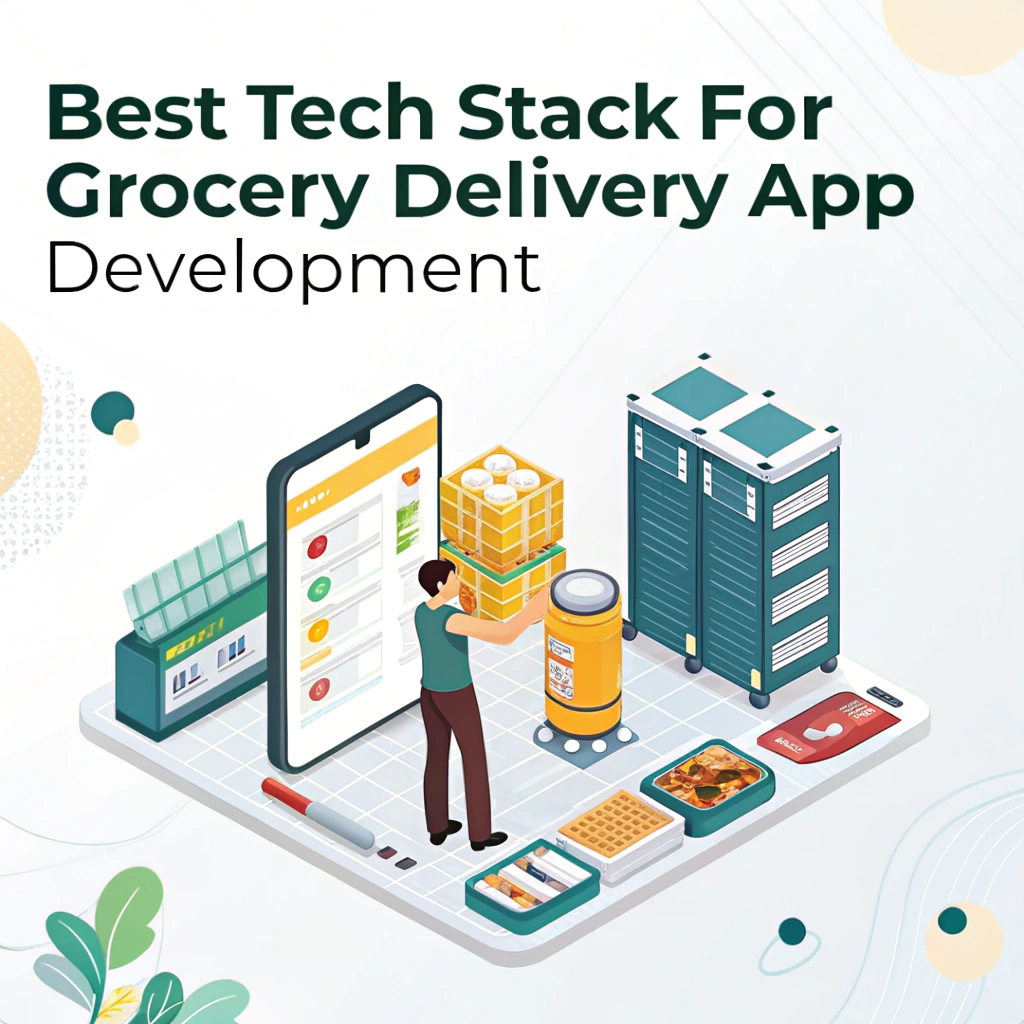
The online grocery industry has witnessed explosive growth over the past few years, with users depending heavily on mobile apps to get their daily needs. The demands for speed, convenience, and personalized experiences have made it necessary to create an efficient application that works seamlessly well. Any organization needs to use the best possible tech stack while developing grocery delivery apps.
In this article, we explore the best tech stack for grocery app development and how businesses can leverage modern technologies to build high-performing solutions.
Understanding the Importance of Tech Stack
Tech stack is defined as the set of languages, frameworks, tools, and technologies that make up an application. When designing a grocery app, the tech stack should be capable of facilitating real-time updating, secure transactions, ease of navigation, and heavy traffic by users.
A solid grocery delivery app development process guarantees the efficient interplay of all the parts of the application, from frontend to backend for a pleasant user experience.
Frontend Technologies (User Interface)
The frontend is what users interact with, so it must be intuitive, responsive, and visually appealing.
Recommended Technologies:
-
React Native – Ideal for cross-platform development (iOS and Android)
-
Flutter – Offers fast development and a rich UI experience
-
Swift (iOS) and Kotlin (Android) – Best for native app performance
These technologies help create a seamless on-demand grocery delivery app experience, ensuring fast loading times and easy navigation.
Backend Technologies (Server-Side Development)
The backend is the engine that powers the app. It handles data processing, user authentication, order management, and integrations.
Recommended Technologies:
-
Node.js – Scalable and efficient for real-time applications
-
Python (Django/Flask) – Great for rapid development and data handling
-
Ruby on Rails – Ideal for startups looking for quick deployment
A strong backend is essential for supporting complex operations in on-demand grocery delivery app development, including order tracking and inventory management.
Database Management
Efficient data storage and retrieval are critical for grocery apps, which handle large volumes of product and user data.
Popular Databases:
-
MongoDB – Flexible and scalable NoSQL database
-
MySQL/PostgreSQL – Reliable relational databases for structured data
-
Firebase Realtime Database – Great for real-time updates
A well-structured database enhances the performance of any grocery delivery app solution.
Cloud Services and Hosting
Cloud infrastructure ensures scalability, reliability, and cost efficiency. It allows apps to handle peak traffic without performance issues.
Top Cloud Platforms:
-
Amazon Web Services (AWS)
-
Google Cloud Platform (GCP)
-
Microsoft Azure
These platforms are widely used by businesses offering grocery delivery app development services to ensure uptime, data security, and scalability.
Real-Time Tracking and GPS Integration
Real-time tracking is a must-have feature for grocery delivery apps. It enhances transparency and improves customer satisfaction.
Technologies Used:
-
Google Maps API
-
Mapbox
-
Geo-location services
These tools are essential for creating efficient delivery systems in modern grocery app development services.
Payment Gateway Integration
Secure and flexible payment options are crucial for user trust and convenience.
Popular Payment Gateways:
-
Stripe
-
PayPal
-
Razorpay
Integrating reliable payment systems is a key part of grocery delivery app development company offerings, ensuring safe and smooth transactions.
APIs and Third-Party Integrations
APIs connect different components of the app and enable additional features like notifications, analytics, and logistics.
Common Integrations:
-
SMS and email notification APIs
-
Payment APIs
-
Analytics tools like Google Analytics
-
CRM and ERP systems
APIs play a vital role in building a complete grocery delivery app solution that meets modern business requirements.
AI and Machine Learning Integration
AI enhances the intelligence of grocery apps by providing personalized recommendations and predictive insights.
Key Applications:
-
Product recommendations
-
Demand forecasting
-
Chatbots for customer support
Businesses investing in on-demand grocery delivery app development services can leverage AI to improve user engagement and operational efficiency.
Security Technologies
Security is a top priority for any online platform, especially when handling sensitive user and payment data.
Essential Security Measures:
-
SSL encryption
-
Two-factor authentication (2FA)
-
Secure APIs
-
Data encryption
A trusted grocery delivery app development Company ensures that robust security protocols are implemented to protect user data.
DevOps and Deployment Tools
DevOps practices help streamline development, testing, and deployment processes.
Popular Tools:
-
Docker – Containerization for consistent environments
-
Kubernetes – Container orchestration
-
Jenkins – Continuous integration and deployment
These tools improve efficiency and reliability in grocery delivery app development projects.
Analytics and Performance Monitoring
Tracking app performance and user behavior is essential for continuous improvement.
Tools to Consider:
-
Google Analytics
-
Firebase Analytics
-
Mixpanel
Analytics tools help businesses refine their strategies and optimize their on-demand grocery delivery app performance.
Choosing the Right Development Partner
Choosing a suitable development partner should be just as important as selecting a suitable tech stack. The professional developer knows your requirements and develops a scalable application according to them.
Collaborating with professionals who offer development services for grocery delivery apps guarantees that the app will be developed using cutting-edge technologies.
Conclusion
Development of a good grocery application needs proper planning and implementation of a current tech stack that provides features like flexibility, speed, and customer interaction. Everything, from front-end frameworks to back-end solutions and cloud services to artificial intelligence (AI), needs to be planned and properly integrated in order to provide an impeccable experience.
Proper investment in these tools and the assistance of a good team is all your business will need in creating the best tech stack for your grocery application. Regardless of whether you are a startup or an existing grocery business, implementing the best tech stack will ensure your future success.
 English
 Arabic
 French
 Spanish
 Portuguese
 Deutsch
 Turkish
 Dutch
Dutch
 Italiano
 Russian
 Romaian
 Portuguese (Brazil)
 Greek
Greek
