


 Ban & Monetization Policy
 MyLiveRoom Rewards Program Rules & Eligibility
Understanding the EV vs Hybrid Debate in the UAE
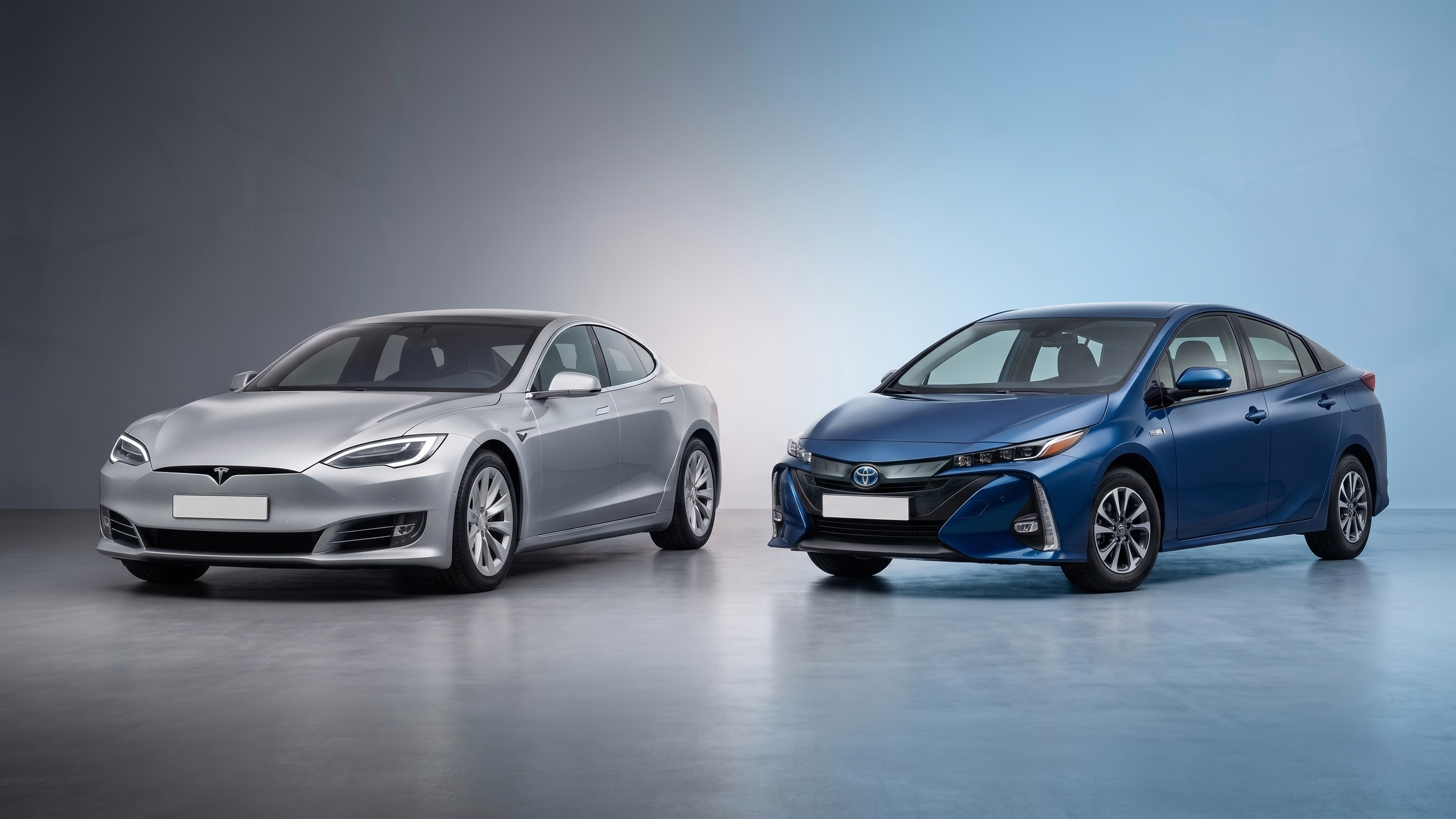
The UAE is pushing hard toward cleaner mobility. Electric vehicle adoption is growing, charging networks are expanding, and fuel efficiency is becoming a bigger concern for everyday drivers. But when it comes to choosing between a fully electric vehicle and a hybrid, the answer is not as obvious as it seems.
Both options promise lower emissions and better efficiency. Yet they work differently, cost differently, and suit different types of drivers. If you are planning to buy a car in the UAE, this choice deserves a closer look.
What Exactly Is an EV?
An electric vehicle runs entirely on electricity. There is no petrol engine involved. You charge the battery, drive, and recharge again.
Brands like Tesla, BYD, and Nissan have already made EVs visible on UAE roads. The appeal is clear. No fuel stops, minimal maintenance, and a smooth driving experience.
The UAE government has also supported EV adoption with incentives like free parking in some emirates, reduced registration fees, and a growing public charging network.
But EV ownership still depends heavily on one thing, access to reliable charging.
What Is a Hybrid Car?
A hybrid vehicle combines a petrol engine with an electric motor. The car switches between the two or uses both together, depending on driving conditions.
There are two common types:
- Mild hybrids, which assist the engine but cannot run purely on electricity
- Full hybrids, which can drive short distances on electric power alone
Popular models like the Toyota Prius and Toyota Camry Hybrid have built a strong reputation for reliability and fuel efficiency in the UAE.
Hybrids do not need external charging. The battery charges itself while driving, which removes range anxiety completely.
Charging vs Refueling: A Real-World Difference
This is where the decision starts getting practical.
With an EV, charging is essential. If you live in a villa or a building with charging access, it is convenient. Plug in overnight and you start each day with a full battery.
If you rely on public chargers, things can get inconsistent. Charging stations are increasing across Dubai and Abu Dhabi, but they are not yet as widespread as petrol stations.
Hybrids, on the other hand, work exactly like conventional cars when it comes to refueling. You stop at any petrol station, fill up in minutes, and continue driving.
For someone with unpredictable travel patterns or long commutes, this difference matters more than most marketing claims.
Cost Comparison: Upfront and Long-Term
EVs are still more expensive upfront compared to hybrids. The battery technology and import costs add to the price.
However, running costs tell a different story.
Electricity is cheaper than petrol in the UAE. Maintenance is also lower since EVs have fewer moving parts. No oil changes, fewer mechanical failures, and less wear and tear.
Hybrids sit in the middle. They are more affordable than EVs initially and still offer good fuel savings. But they still require engine maintenance, which adds to long-term costs.
If you calculate ownership over five to seven years, EVs often come out ahead, but only if charging is convenient and consistent.
Driving Experience in UAE Conditions
The UAE climate and road conditions play a big role.
EVs deliver instant torque. Acceleration is smooth and quick, which feels great in city driving. They are also silent, which many drivers enjoy.
However, extreme heat can affect battery performance over time. Modern EVs are designed to handle this, but efficiency can still drop slightly during peak summer months.
Hybrids offer a familiar driving experience. You get the quiet electric mode at low speeds and the petrol engine when needed. There is no learning curve, no range anxiety, and no dependence on charging infrastructure.
For long highway drives between cities like Dubai and Abu Dhabi, hybrids often feel more practical.
Range Anxiety vs Peace of Mind
Range anxiety is still a real concern with EVs.
Most modern EVs offer a range between 350 to 500 km on a full charge. That is more than enough for daily commuting. But longer trips require planning around charging stations.
Hybrids eliminate this concern entirely. You get extended range thanks to the fuel tank, often exceeding 700 km without needing to stop frequently.
If your driving is mostly within the city, EV range is not a problem. If you frequently travel across emirates, hybrids offer more flexibility.
Environmental Impact in the UAE Context
Both EVs and hybrids are cleaner than traditional petrol cars, but EVs have the edge.
EVs produce zero tailpipe emissions. This helps reduce air pollution, especially in dense urban areas like Dubai.
Hybrids still rely on petrol, but they consume less fuel and emit fewer pollutants compared to regular cars.
The UAE is also investing in renewable energy projects, which means EVs will become even cleaner over time as the electricity grid evolves.
If sustainability is your top priority, EVs are the better choice.
Infrastructure in the UAE: Growing but Not Perfect
The UAE has made significant progress in EV infrastructure.
Dubai’s EV Green Charger initiative and Abu Dhabi’s charging network are expanding steadily. Many malls, hotels, and residential areas now offer charging points.
Still, coverage is not uniform. Some areas have excellent access, while others lag behind.
Petrol stations, on the other hand, are everywhere. This gives hybrids a clear advantage in convenience.
Infrastructure is improving fast, but as of now, it still favors hybrids in terms of ease.
Resale Value and Market Trends
Resale value is another factor that buyers often overlook.
Hybrid cars have a strong resale market in the UAE. Their reliability and familiarity make them easy to sell.
EV resale is still evolving. As technology improves, older models may depreciate faster. Buyers are also cautious about battery health when purchasing used EVs.
That said, as EV adoption grows, the resale market is expected to stabilize.
Which One Should You Choose?
There is no universal winner here. It depends on how and where you drive.
Choose an EV if:
- You have access to home or workplace charging
- Your daily driving is mostly within the city
- You want lower long-term running costs
- You prioritize sustainability and modern driving tech
Choose a hybrid if:
- You frequently drive long distances
- You want flexibility without relying on charging
- You prefer a lower upfront cost
- You want a familiar driving experience with better fuel economy
The UAE Is Moving Toward Electric, But Gradually
The shift toward electric mobility in the UAE is clear. Government policies, infrastructure investments, and consumer awareness are all pushing in that direction.
But transitions take time.
Hybrids act as a bridge between traditional petrol cars and fully electric vehicles. They offer efficiency without requiring lifestyle changes.
EVs represent the future, but they work best when the ecosystem around them supports your daily routine.
Final Thoughts
Choosing between an EV and a hybrid in the UAE is less about which is better and more about which fits your life.
If charging is easy and your driving is predictable, an EV makes strong financial and environmental sense.
If you value flexibility, long-distance comfort, and zero dependency on charging infrastructure, a hybrid remains the safer choice.
Both options are a step forward from traditional petrol cars. The real decision is how ready you are to adapt to a new way of driving.
For more such informative blogs, visit AutoVoB
 Dutch
Dutch
 English
 Arabic
 French
 Spanish
 Portuguese
 Deutsch
 Turkish
 Italiano
 Russian
 Romaian
 Portuguese (Brazil)
 Greek
Greek
