


 Ban & Monetization Policy
 MyLiveRoom Rewards Program Rules & Eligibility
Eco-Friendly Packaging: Moving from Performative Recycling to True Sustainability
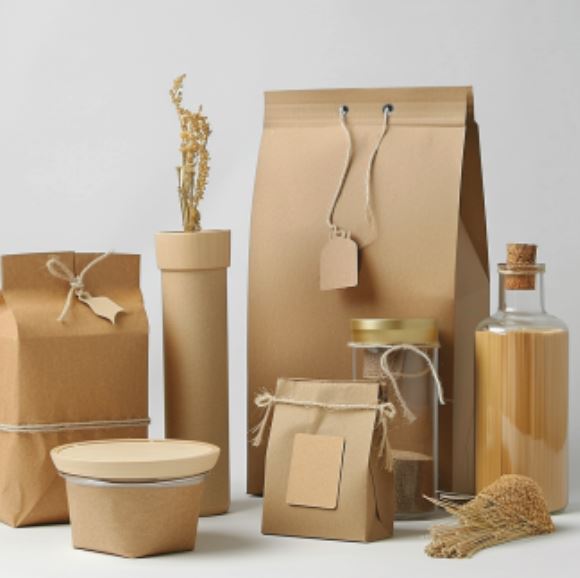
The recycling of polyethylene terephthalate (PET) plastic bottles has long been touted as a success story by the beverage industry. Major brands highlight their recycling rates and commitments to increasing the use of recycled PET (RPET) in their bottles. While recycling programs are growing, we must acknowledge their limitations and recognize that recycling alone will not solve the plastic pollution crisis. It is time to re-evaluate our packaging options and shift towards more comprehensive sustainable solutions.
Recycling rates only account for plastic that makes it into recycling bins and processing facilities - they do not represent the vast amounts of plastic waste polluting our oceans, landscapes and waterways. Recent studies estimate that less than 10% of all plastic ever produced has been recycled. The infrastructure simply does not exist to properly collect and reprocess the billions ofthrowaway plastic items consumed every day. Meanwhile, the chemical properties of plastics also limit how many times they can be recycled before downcycling into lower quality materials.
To truly achieve a circular economy, brands must look beyond recycling and explore alternative wholesale biodegradable packaging options that minimize environmental impact from source to end-of-life. One such option gaining popularity is molded pulp packaging. Produced from renewable plant fibers and water, molded pulp is an eco-friendly alternative to plastic and Styrofoam containers. The production process requires less energy than plastic molding and emits fewer greenhouse gases. As the table below shows, molded pulp has several inherent sustainable advantages:
| Material | Molded Pulp | Plastic |
|---|---|---|
| Source | Renewable plant fibers | Fossil fuels |
| Manufacturing Process Emissions | Low | High |
| Biodegradability | Yes, compostable in industrial facilities | No, persists in environment for centuries |
| Recyclability | Not widely recycled but can be reused as renewable fuel | Often downcycled due to contamination |
Molded pulp packaging is ideal for various industries including food, cosmetics, electronics and more. Its moisture resistance and durability allows it to protect products just as well as plastic containers during shipping and storage. Manufacturers are even developing advanced pulp formulations to mimic plastic clamshell containers and lids for optimum functionality. As an established material with decades of use, molded pulp manufacturing techniques continue to improve - today's products feature sophisticated designs, glossy finishes and vibrant printing.
For consumers and brands seeking wholesale biodegradable packaging options, molded pulp presents a compelling sustainable alternative to single-use plastics. When pulp packaging reaches the end of its useful life, it can be composted to fully biodegrade within just a few months, returning nutrients back to the soil. Or it may be reused as a renewable fuel in biomass energy generation, further contributing to the circular economy. Either way, molded pulp ensures any waste produced will not pollute the natural environment like plastic that is mismanaged or littered.

As awareness grows around plastic pollution and climate change, more major retailers and CPG companies are committing to reduce plastic packaging usage and transition to sustainable alternatives like molded pulp. Health and beauty brands L'Oreal, Estée Lauder and Lush Cosmetics have all replaced plastic containers with eco-friendly pulp packaging for certain products. Electronics giant Apple announced a small number of retail store products would switch to molded fiber packaging. Even large quick service food chains like McDonald's and Starbucks are testing compostable paper-based cups and cartons.
The molded pulp packaging industry continues advancing technical capabilities to drive further adoption across more brands and sectors. Innovations include enhanced pulp compositions, sophisticated designs and specialized coatings for specific application needs. Manufacturers are developing carbon neutral and even carbon negative production processes. With a regenerative impact, sustainable wholesale biodegradable packaging options like molded pulp present a viable path towards circularity for businesses aiming to reduce environmental footprints throughout supply chains.
As consumers increasingly demand eco-friendly products and sustainable solutions, businesses that proactively replace problematic plastics with renewable alternatives like molded pulp will gain competitive advantages. Those still relying solely on recycling claims or vague sustainability commitments risk losing market share. Now is the time for innovative packaging producers and forward-thinking brands to partner up and accelerate the transition away from single-use plastics through the widespread adoption of truly sustainable molded pulp packaging solutions. Our future depends on it.
 Portuguese
 English
 Arabic
 French
 Spanish
 Deutsch
 Turkish
 Dutch
Dutch
 Italiano
 Russian
 Romaian
 Portuguese (Brazil)
 Greek
Greek
