


 Ban & Monetization Policy
 MyLiveRoom Rewards Program Rules & Eligibility
Regenerative Medicine
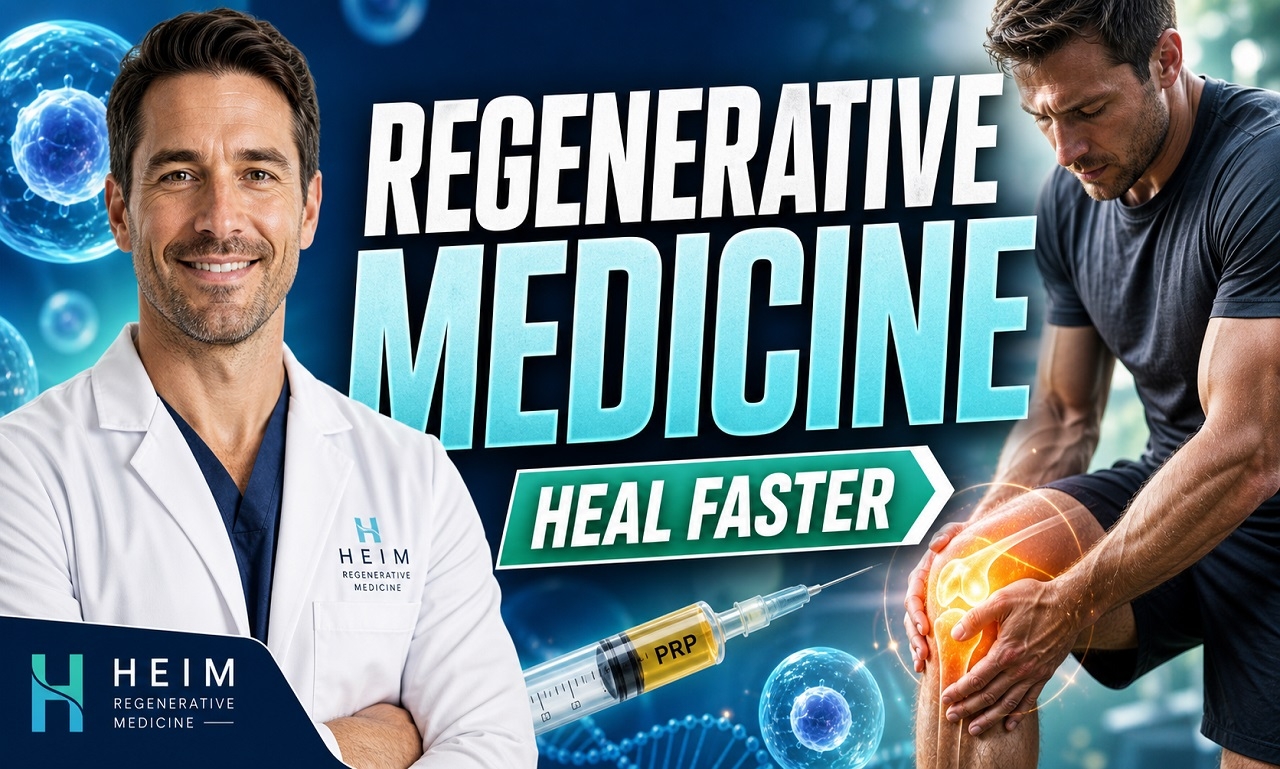
Regenerative medicine is becoming one of the most talked-about areas in modern healthcare, especially in active states like Florida where many people want better mobility, faster recovery, and non-surgical treatment options. From athletes dealing with joint pain to older adults managing chronic wear and tear, more patients are exploring therapies that support the body’s natural repair process.
At its core, regenerative medicine focuses on helping damaged tissues heal, repair, or function better. It may involve treatments such as platelet-rich plasma, bone marrow concentrate, tissue engineering, and other biologic-based therapies. The field continues to grow, but it is also important for patients to understand what is proven, what is still being studied, and what should be approached carefully. The FDA has warned patients to avoid unapproved regenerative products marketed for broad disease treatment claims, including certain stem cell, exosome, amniotic, and umbilical cord products.
What Is Regenerative Medicine?
Regenerative medicine is a branch of healthcare that aims to repair, replace, or restore damaged cells, tissues, or organs. Instead of only managing symptoms, this approach looks at ways to support healing at a deeper biological level. The National Institutes of Health describes regenerative medicine as the process of creating living, functional tissues to repair or replace damaged cells, tissues, or organs.
In simple terms, regenerative medicine works with the body’s own repair system. When tissue is injured, the body sends healing signals, blood components, and repair cells to the area. Regenerative therapies are designed to support that process in a more focused way. This is why it is often used in sports medicine, orthopedics, pain management, wound care, and physical rehabilitation.
In Florida, regenerative medicine is commonly discussed for conditions related to joint pain, soft tissue injuries, tendon problems, ligament strain, and age-related mobility issues. However, not every treatment is suitable for every patient. A medical evaluation is always needed before choosing any therapy.
Why Florida Patients Are Interested in Regenerative Medicine
Florida has a large population of active adults, retirees, athletes, and people who want to stay mobile for work, sports, travel, and daily life. Because of this, many patients search for treatment options that may help them avoid or delay surgery when appropriate.
Regenerative medicine appeals to patients because it often focuses on natural healing, minimally invasive procedures, and personalized care. For example, platelet-rich plasma, often called PRP, uses a patient’s own blood, which is processed to concentrate platelets before being injected into a targeted area. Mayo Clinic notes that PRP is one of the most widely recognized forms of orthobiologics.
Another reason Florida regenerative medicine is gaining attention is the rise of orthopedic and sports medicine clinics offering advanced treatment plans. These plans often combine regenerative procedures with physical therapy, imaging, lifestyle guidance, and long-term recovery support. This combination matters because healing is rarely based on one treatment alone.
Common Types of Regenerative Medicine Treatments
There are several forms of regenerative medicine, and each one works differently. Some are more established in clinical use, while others are still being studied.
Platelet-rich plasma is one of the most common options. It involves drawing a small amount of blood, spinning it in a centrifuge, and concentrating the platelets. Platelets contain growth factors that play a role in tissue repair and healing response. PRP is often used in orthopedic and sports medicine settings for tendon, ligament, and joint-related concerns.
Bone marrow concentrate is another approach. In some clinical settings, bone marrow is collected from the patient, processed, and used in a targeted procedure. Mayo Clinic describes regenerative orthopedic procedures that may include PRP and bone marrow-based approaches for selected patients.
Stem cell therapy is a broader and more complex area. While stem cells have strong scientific potential, many advertised stem cell treatments are not FDA-approved for the conditions they claim to treat. Mayo Clinic explains that stem cell therapy, also known as regenerative medicine, promotes repair responses in injured or diseased tissue, but this field requires careful medical oversight.
Tissue engineering is another important part of regenerative medicine. It focuses on creating or supporting functional tissues that may restore or improve damaged areas. Research continues to advance in areas such as cell therapy, extracellular vesicle-based therapy, and engineered tissue systems.
Conditions That May Be Discussed in Regenerative Medicine
Florida regenerative medicine clinics often evaluate patients with musculoskeletal issues. These may include knee pain, shoulder pain, hip discomfort, tendon injuries, ligament strain, arthritis-related symptoms, sports injuries, and chronic soft tissue pain.
For example, a person with mild to moderate knee osteoarthritis may explore PRP or other orthobiologic options after conservative care has not provided enough relief. Someone with a tendon injury may also be evaluated for a regenerative treatment plan along with physical therapy. The goal is usually to reduce pain, improve function, and support tissue recovery.
 Portuguese
 English
 Arabic
 French
 Spanish
 Deutsch
 Turkish
 Dutch
Dutch
 Italiano
 Russian
 Romaian
 Portuguese (Brazil)
 Greek
Greek
