


 Ban & Monetization Policy
 MyLiveRoom Rewards Program Rules & Eligibility
Sea Freight Requirements: A Complete Guide
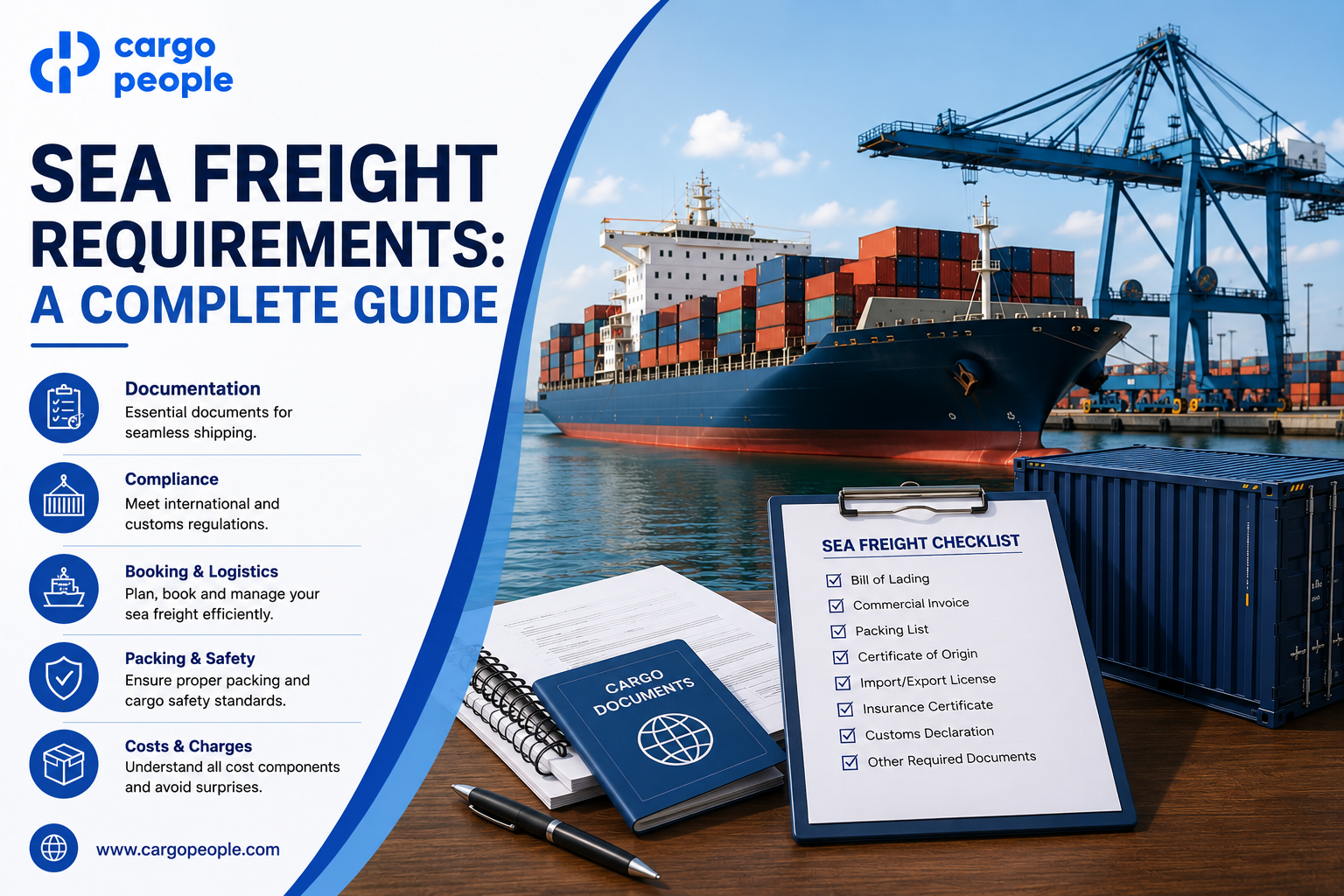
Sea freight is one of the most commonly used methods for international shipping, especially for large and heavy cargo. Businesses prefer sea freight because it is cost-effective and suitable for bulk shipments. Understanding sea freight requirements helps companies plan their shipments properly and avoid delays during the logistics process.
A smooth sea freight process depends on proper documentation, cargo planning, packaging, customs clearance, and coordination with shipping partners. When all requirements are managed correctly, goods can move safely from the origin port to the destination port.
Proper Cargo Details
The first requirement for sea freight is accurate cargo information. Businesses need to provide details such as product type, quantity, weight, dimensions, value, and packaging method.
These details help logistics providers choose the right container, shipping route, and freight option. Incorrect cargo information can lead to pricing errors, documentation issues, or delays at the port.
Required Shipping Documents
Sea freight requires proper documentation for smooth shipment movement. Important documents may include commercial invoice, packing list, bill of lading, purchase order, and certificate of origin.
These documents help customs authorities, shipping lines, and logistics teams verify shipment details. Missing or incorrect documents can cause customs delays, penalties, or additional storage charges.
Container Selection
Choosing the right container is an important part of sea freight planning. Businesses may require full container load (FCL) or less than container load (LCL) depending on cargo volume.
Different cargo types may need different containers, such as dry containers, refrigerated containers, or open-top containers. Proper container selection helps protect goods and ensures efficient transportation.
Packaging and Labeling
Goods must be packed properly before sea freight shipment. Since cargo may travel long distances and pass through multiple handling points, strong packaging is required to prevent damage.
Clear labeling is also important for identification and handling. Proper labels help warehouse teams, port staff, and customs officials manage the shipment correctly throughout the journey.
Customs Clearance Requirements
Customs clearance is a major requirement in sea freight. Importers and exporters must follow customs rules and provide accurate documents for approval.
Duties, taxes, HS codes, permits, and compliance requirements must be checked before shipping. Proper customs preparation helps avoid delays and ensures smooth cargo movement at both origin and destination ports.
Port Handling and Charges
Sea freight shipments involve port handling at loading and destination ports. Charges may apply for loading, unloading, terminal handling, documentation, and storage.
If goods are not cleared on time, demurrage or detention charges may increase the total cost. Timely coordination with freight forwarders and customs agents helps reduce extra expenses.
Insurance for Cargo Safety
Cargo insurance is an important requirement for protecting goods during sea transport. Although sea freight is reliable, shipments may still face risks such as damage, loss, weather issues, or handling problems.
Insurance helps businesses reduce financial loss in case of unexpected situations. Choosing the right insurance coverage provides better safety and peace of mind during international shipping.
Compliance and Special Cargo Requirements
Some types of cargo require special approvals or handling procedures. Hazardous goods, chemicals, food products, pharmaceuticals, and temperature-sensitive items may need additional documents and safety measures.
Businesses must follow international shipping rules and destination country regulations. Proper compliance helps avoid shipment rejection, fines, or delays during transit.
Importance of Understanding Sea Freight Requirements
Understanding sea freight requirements helps businesses plan shipments more efficiently. It reduces the chances of mistakes, improves cost control, and supports smooth international trade operations.
A well-managed sea freight process also ensures timely delivery, better cargo safety, and improved supply chain performance. For businesses handling bulk imports or exports, proper sea freight planning is very important.
Learn More About Sea Freight and Logistics Solutions
If you are planning to ship goods by sea, it is important to understand documentation, container selection, customs clearance, and port handling requirements in detail.
Read the complete guide here:
👉 https://www.cargopeople.com/blog/sea-freight-for-bulk-cargo-ensuring-safe-and-timely-delivery/
📞 Get Expert Support for Sea Freight Shipping
If you need assistance with sea freight, customs clearance, documentation, or logistics planning, Cargo People Logistics can guide you at every step.
📞 +91 97174 65454
📧 wecare@cargopeople.com
 Dutch
Dutch
 English
 Arabic
 French
 Spanish
 Portuguese
 Deutsch
 Turkish
 Italiano
 Russian
 Romaian
 Portuguese (Brazil)
 Greek
Greek
