


 Ban & Monetization Policy
 MyLiveRoom Rewards Program Rules & Eligibility
UPVC Butterfly Valve with Excellent Corrosion Protection
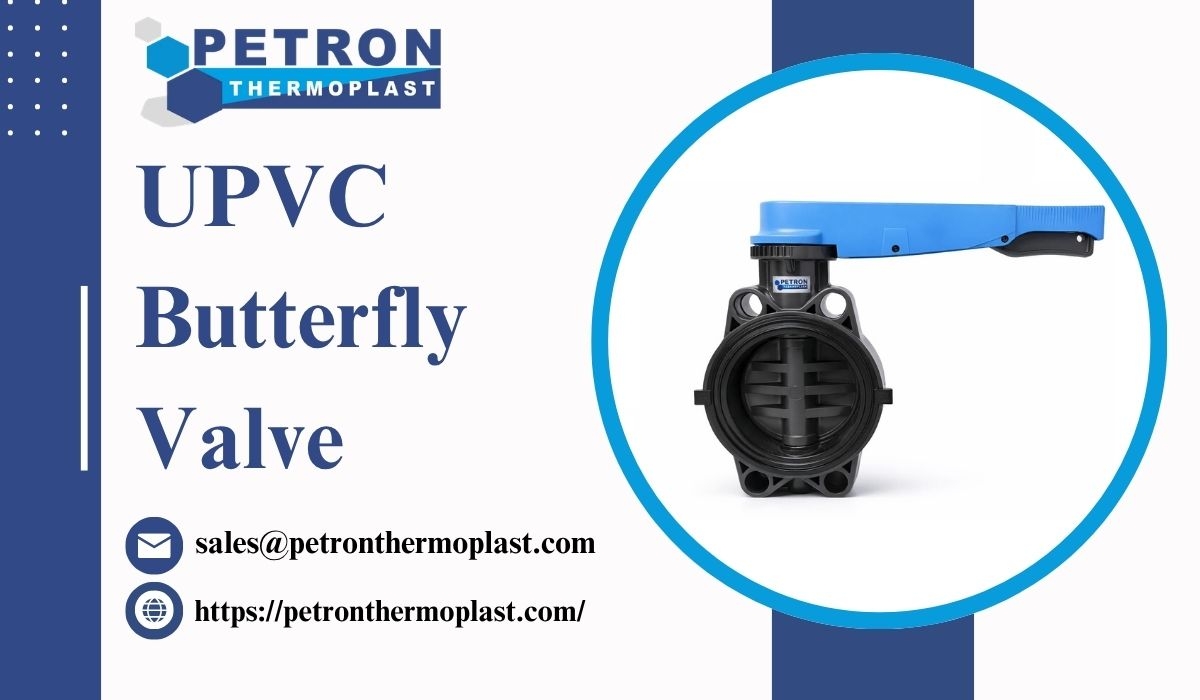
Industrial piping systems operating in corrosive environments require highly reliable valves capable of maintaining long-term performance without material degradation. UPVC butterfly valves are widely used in chemical processing, water treatment, industrial fluid handling, and corrosive media applications due to their excellent corrosion resistance, lightweight construction, and cost-effective operation.
At Petron Thermoplast, high-performance UPVC butterfly valves are manufactured using premium-grade thermoplastic materials designed to deliver reliable shut-off and flow control in demanding industrial environments. These valves provide exceptional resistance against chemicals, acids, alkalis, and corrosive fluids while ensuring smooth operation and minimal maintenance requirements.
What is a UPVC Butterfly Valve?
A UPVC butterfly valve is a quarter-turn flow control valve that uses a rotating disc to regulate or isolate fluid flow inside a pipeline. The valve body and internal components are manufactured using Unplasticized Polyvinyl Chloride (UPVC), a thermoplastic material known for its high chemical resistance and structural durability.
The valve operates by rotating the disc through 90 degrees using a lever or actuator. When the disc is parallel to the flow direction, the valve remains open. When rotated perpendicular to the flow, the valve shuts off the fluid completely.
UPVC butterfly valves are commonly used in:
- Chemical processing plants
- Water treatment systems
- Effluent treatment plants
- Acid transfer pipelines
- Industrial utility systems
- Irrigation networks
- Pharmaceutical industries
- Electroplating plants
- Food processing industries
Their compact design and corrosion-resistant properties make them suitable for both manual and automated industrial systems.
Importance of Corrosion Protection in Industrial Valves
Corrosion is one of the major causes of valve failure in industrial piping systems. Metallic valves exposed to aggressive chemicals often experience rust formation, scaling, pitting, and structural weakening. These issues can result in leakage, operational downtime, contamination, and expensive maintenance costs.
UPVC butterfly valves eliminate these problems by offering superior resistance against:
- Acids
- Alkalis
- Salts
- Chlorinated water
- Corrosive chemical solutions
- Industrial wastewater
The non-metallic construction ensures long-term operational reliability even in highly aggressive environments.
Key Features of UPVC Butterfly Valves
Excellent Corrosion Resistance
The primary advantage of UPVC butterfly valves is their exceptional resistance to corrosive media. UPVC material does not rust, oxidize, or chemically degrade under normal industrial operating conditions. This makes the valve suitable for aggressive fluid handling applications.
Lightweight Construction
Compared to metal valves, UPVC butterfly valves are significantly lighter in weight, simplifying transportation, installation, and maintenance activities.
Smooth Flow Characteristics
The streamlined internal design minimizes pressure drop and allows efficient fluid flow through the pipeline system.
Leak-Proof Sealing
High-quality elastomeric seats provide reliable sealing performance, preventing leakage and ensuring efficient shut-off operations.
Low Maintenance Requirements
UPVC valves require minimal maintenance due to their corrosion-resistant thermoplastic construction and reduced wear characteristics.
Easy Installation
Compact dimensions and lightweight design enable fast and simple installation in industrial piping networks.
Long Service Life
The excellent chemical compatibility and corrosion resistance contribute to extended operational lifespan and reduced replacement frequency.
Technical Specifications of UPVC Butterfly Valves
Petron Thermoplast manufactures industrial-grade UPVC butterfly valves in multiple sizes and configurations suitable for different process applications.
Standard Technical Parameters
|
Parameter |
Specification |
|
Material |
UPVC |
|
Valve Type |
Butterfly Valve |
|
Operation |
Manual / Pneumatic / Electric |
|
Size Range |
2 inch to 12 inch and above |
|
Pressure Rating |
PN10 / Customized |
|
Temperature Range |
Up to 60°C |
|
Sealing Material |
EPDM / Viton |
|
End Connection |
Wafer Type / Flanged |
|
Application |
Water, Chemicals, Acids, Alkalis |
Components of a UPVC Butterfly Valve
Valve Body
The valve body is manufactured from high-quality UPVC material providing structural strength and corrosion resistance.
Disc
The rotating disc regulates fluid flow and is designed for smooth operation and minimal flow restriction.
Seat
Elastomeric seats ensure leak-tight sealing and prevent fluid bypass during shut-off operations.
Stem
The stem transfers rotational movement from the actuator or lever to the disc assembly.
Actuator or Lever
Butterfly valves may be operated manually using levers or automatically using pneumatic and electric actuators.
Applications of UPVC Butterfly Valves
Chemical Processing Industries
UPVC butterfly valves are extensively used in chemical transfer systems due to their resistance against aggressive chemicals and acids.
Water Treatment Plants
The valves are widely used in water distribution, filtration, chlorination, and wastewater treatment systems.
Effluent Treatment Systems
Industrial wastewater often contains corrosive chemicals that require corrosion-resistant valve systems for reliable operation.
Electroplating and Surface Treatment Plants
Acidic and alkaline solutions used in metal finishing applications require non-corrosive flow control valves.
Pharmaceutical Industries
UPVC valves are suitable for handling purified water and compatible process chemicals in pharmaceutical manufacturing.
Irrigation and Agricultural Systems
The lightweight construction and low maintenance design make UPVC butterfly valves suitable for irrigation networks.
Advantages Over Metallic Butterfly Valves
No Rust Formation
Unlike cast iron or steel valves, UPVC valves do not rust or corrode in wet or chemically aggressive conditions.
Lower Maintenance Costs
Reduced corrosion and wear minimize repair and maintenance expenses.
Better Chemical Compatibility
UPVC provides superior compatibility with many industrial chemicals compared to conventional metallic materials.
Lightweight and Easy Handling
The lower weight simplifies pipeline assembly and reduces installation labor requirements.
Improved Operational Efficiency
Smooth internal surfaces minimize scaling and pressure losses.
Factors to Consider While Selecting UPVC Butterfly Valves
Chemical Compatibility
Always verify compatibility between the valve material and the process fluid before installation.
Operating Pressure
Select the appropriate pressure rating according to pipeline operating conditions.
Temperature Conditions
UPVC valves are suitable for moderate temperature applications. Higher temperatures may require CPVC or PVDF alternatives.
Valve Size
Choose the correct valve size to maintain optimal flow efficiency and system performance.
Automation Requirements
For automated process systems, pneumatic or electric actuators may be integrated with the butterfly valve assembly.
Why Industries Prefer Petron Thermoplast UPVC Butterfly Valves?
Petron Thermoplast supplies industrial UPVC butterfly valves manufactured with precision engineering and high-quality thermoplastic materials. The company focuses on delivering reliable flow control solutions for corrosive and demanding industrial applications.
Advantages Offered by Petron Thermoplast
- Premium-grade UPVC material
- Precision manufacturing standards
- Excellent corrosion protection
- Leak-proof sealing performance
- Wide range of valve sizes
- Manual and actuated valve options
- Customized industrial solutions
- Fast delivery and technical support
The company also provides a complete range of industrial thermoplastic piping products including:
- UPVC Pipe Fittings
- CPVC Valves
- PP Valves
- PVDF Valves
- HDPE Piping Systems
- Industrial Strainers
- Chemical Storage Tanks
Maintenance Guidelines for UPVC Butterfly Valves
Although UPVC butterfly valves require minimal maintenance, regular inspection improves long-term performance and operational reliability.
Recommended Maintenance Practices
- Periodically inspect sealing surfaces
- Ensure smooth disc movement
- Check actuator alignment
- Avoid excessive tightening during installation
- Verify chemical compatibility during process changes
- Protect valves from excessive thermal exposure
Proper installation and preventive maintenance help maximize service life and maintain leak-free operation.
Future Demand for Corrosion Resistant Valves
Industries worldwide are increasingly adopting non-metallic piping systems due to rising maintenance costs associated with metallic corrosion. UPVC butterfly valves continue to gain popularity because of their cost efficiency, long service life, and chemical resistance.
Growing industrial sectors such as water treatment, chemical manufacturing, pharmaceuticals, and infrastructure development are driving demand for advanced corrosion-resistant thermoplastic valves.
Conclusion
UPVC butterfly valves provide an efficient and economical solution for industrial flow control applications requiring excellent corrosion protection. Their lightweight construction, chemical resistance, leak-proof sealing, and low maintenance requirements make them ideal for handling aggressive fluids across multiple industries.
Petron Thermoplast manufactures high-quality UPVC butterfly valves engineered for reliable performance in corrosive industrial environments. With advanced manufacturing capabilities and extensive experience in thermoplastic piping systems, the company delivers durable valve solutions designed to meet modern industrial requirements.
 Romaian
 English
 Arabic
 French
 Spanish
 Portuguese
 Deutsch
 Turkish
 Dutch
Dutch
 Italiano
 Russian
 Portuguese (Brazil)
 Greek
Greek
