


 Ban & Monetization Policy
 MyLiveRoom Rewards Program Rules & Eligibility
The Evolution of the Yoga Studio in Canada
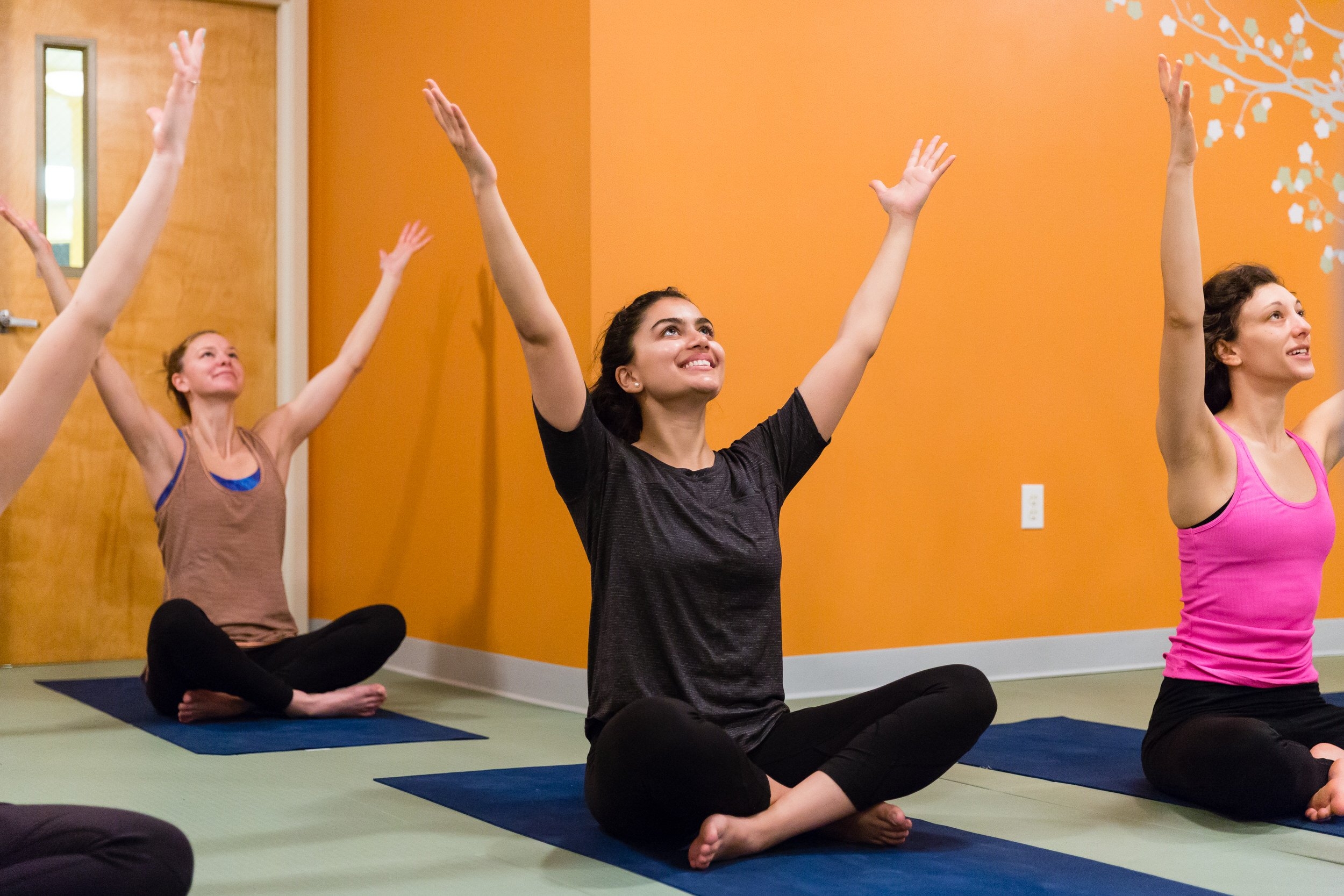
Yoga, a practice rooted in ancient Indian philosophy, has undergone a profound transformation as it spread across the globe. In Canada, the yoga studio has evolved dramatically over the past several decades. What began as a niche spiritual pursuit has grown into a mainstream wellness movement. Today, Canadian yoga studios reflect a rich blend of traditional values, modern lifestyles, and inclusive wellness philosophies. This evolution has been shaped by cultural integration, technological innovation, and shifting societal attitudes toward health and self-care.
Early Beginnings: Yoga’s Introduction to Canada
Yoga was first introduced to Canada in the mid-20th century, brought in by immigrants and traveling teachers inspired by Eastern philosophy. Initially, yoga classes were often held in community centers, private homes, or as part of spiritual gatherings. These early classes focused heavily on the philosophical and meditative aspects of yoga, emphasizing breathwork (pranayama), postures (asanas), and mindfulness.
Teachers in this era often followed classical traditions such as Hatha or Kundalini yoga. Students were typically seekers of deeper spiritual understanding rather than fitness enthusiasts. It was a humble beginning, but one that planted the seeds for yoga’s eventual growth in Canadian culture.
Growth in Popularity: The 1980s and 1990s
By the 1980s and 1990s, yoga began to gain traction among the general population in Canada. This period saw the emergence of dedicated yoga studios, especially in larger cities like Toronto, Vancouver, and Montreal. These studios introduced Canadians to more structured classes and professional instruction, creating a space where people could explore yoga in a consistent and focused environment.
During this time, yoga also began to shift in perception, from a spiritual discipline to a form of physical exercise and stress relief. Fitness clubs started to incorporate yoga into their schedules, often offering classes with a strong emphasis on flexibility, strength, and relaxation. Styles like Iyengar, Vinyasa, and Ashtanga became more popular, catering to a broader range of practitioners.
The Wellness Boom: 2000s and Beyond
The turn of the millennium marked a major turning point in the evolution of yoga studios in Canada. The global wellness boom influenced how people approached health and self-care, and yoga fit perfectly into this trend. Studios began to expand their offerings beyond traditional classes, incorporating holistic health services such as massage therapy, acupuncture, and nutrition coaching.
Canadian yoga studios started branding themselves as lifestyle centers, offering workshops, retreats, and teacher training programs. This expansion helped build a loyal community of practitioners and provided new revenue streams for studio owners.
Yoga also began to reflect broader social trends. Studios embraced eco-conscious design, natural materials, and sustainable business practices. The rise of social media played a key role in promoting yoga as a lifestyle, with influencers and teachers sharing their journeys and attracting followers.
Diversity and Inclusivity in Modern Studios
One of the most significant developments in recent years has been the shift toward inclusivity and diversity in the yoga space. In the past, mainstream yoga culture in Canada was often criticized for being exclusive, largely catering to young, able-bodied, affluent individuals. However, the modern Canadian yoga studio is increasingly becoming a space for everyone.
Studios now offer accessible yoga classes for seniors, people with disabilities, and individuals recovering from trauma. Chair yoga, gentle yoga, and restorative classes are gaining popularity among those who might find traditional yoga intimidating or physically demanding.
Integration of Technology and Online Platforms
The COVID-19 pandemic dramatically accelerated the digital transformation of yoga in Canada. As lockdowns forced studios to close their physical doors, many adapted quickly by shifting to virtual platforms. Online classes via Zoom, YouTube, and dedicated apps became the new norm.
This transition democratized access to yoga. People in remote areas could now attend classes from renowned instructors in urban centers. Pre-recorded sessions offered flexibility, allowing practitioners to fit yoga into their schedules more easily. Many studios adopted a hybrid model, continuing both in-person and online offerings even after restrictions lifted.
This digital evolution also allowed studios to expand their reach internationally. Canadian teachers started to gain global followings, and studios were able to offer workshops and collaborations with instructors from around the world.
Mindfulness, Mental Health, and Holistic Wellness
The role of yoga studios in mental health and emotional well-being has become increasingly important. Today, many Canadians turn to yoga not just for physical benefits but for stress management, emotional resilience, and mental clarity. Studios have responded by integrating mindfulness practices, meditation sessions, and breathwork into their class structures.
Workshops focusing on anxiety relief, emotional release, and trauma healing are common in contemporary studios. Yoga is now viewed as a therapeutic tool that complements psychotherapy and other mental health strategies.
Community Building and Social Impact
Modern yoga studios in Canada often emphasize community building. They serve as safe spaces for connection, support, and shared growth. Events like full moon circles, charity fundraisers, donation-based classes, and community outreach programs help strengthen local bonds and support social causes.
Studios are also engaging in social justice efforts—amplifying voices of marginalized groups, offering scholarships for teacher training, and addressing issues like body positivity and gender inclusivity. This progressive approach has reshaped the image of the yoga studio from a fitness center to a socially responsible hub of well-being.
The Future of Yoga Studios in Canada
Looking ahead, the yoga studio in Canada will likely continue to evolve in response to changing cultural, social, and technological landscapes. Key trends to watch include:
Sustainability and eco-awareness: More studios are investing in green architecture and carbon-neutral operations.
AI and personalized yoga: Virtual assistants and wearable technology could offer tailored guidance based on individual needs.
Trauma-informed yoga: Continued growth in practices that support emotional and psychological healing.
Cultural reclamation: Greater focus on honoring yoga’s Indian heritage, with space for authentic voices and teachings.
 Russian
 English
 Arabic
 French
 Spanish
 Portuguese
 Deutsch
 Turkish
 Dutch
Dutch
 Italiano
 Romaian
 Portuguese (Brazil)
 Greek
Greek
