


 Ban & Monetization Policy
 MyLiveRoom Rewards Program Rules & Eligibility
Can a YG-1 DongHai Antiscorch Agent Withstand Extended High-Temperature Cycles
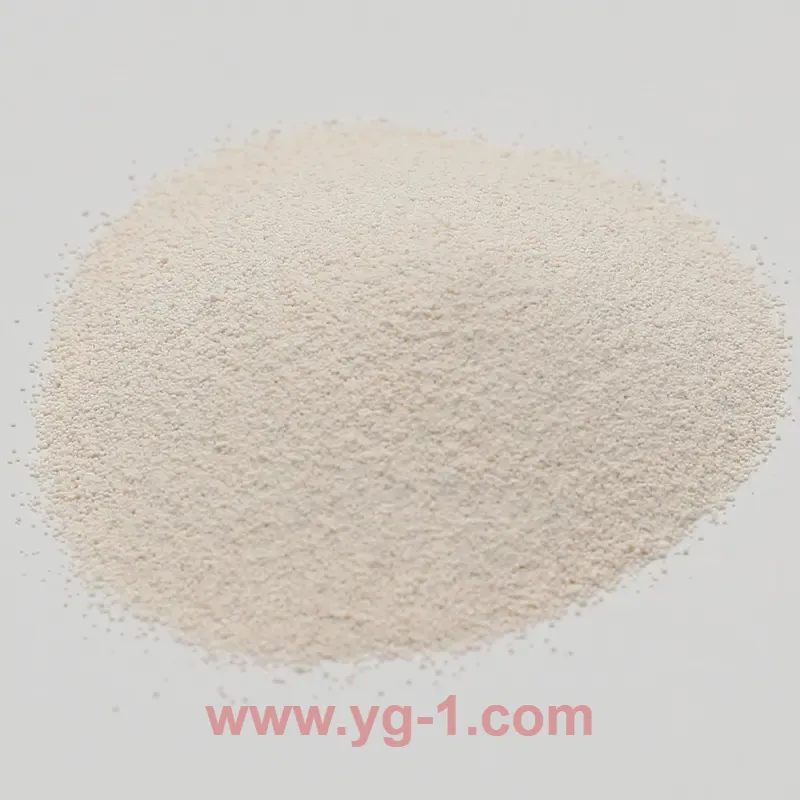
Rubber injection molding pushes compounds through heated barrels and into mold cavities under pressure. The combination of elevated temperature and mechanical shear creates conditions where premature crosslinking initiates before the material reaches its final shape. A scorched compound cannot fill intricate mold details, producing defective parts and wasted material. The technical question for processors becomes: are there Antiscorch agent options suitable for high-temperature mixing cycles in rubber injection molding? YG-1 DongHai, a manufacturer of rubber processing aids including scorch inhibitors, provides formulations specifically engineered for thermal stability during extended high-heat exposure.
The thermal degradation pathway of conventional antiscorch agents limits their usefulness in injection molding. Traditional organic acids, such as salicylic acid or phthalic anhydride, decompose or volatilize at injection molding temperatures typical for many rubber compounds. Once the antiscorch molecule breaks down, its protective effect disappears. The rubber compound scorches despite the additive's presence because the additive no longer exists in its active form. YG-1 DongHai addresses this limitation through sulfenamide-based antiscorch chemistries that maintain molecular integrity at higher temperatures. The S-N bonding structure in compounds like CTP (cyclohexylthiophthalimide) resists thermal cleavage, preserving activity throughout the injection molding cycle.
The mechanism of scorch protection changes with temperature exposure. At lower processing temperatures, an antiscorch agent reversibly binds to accelerator molecules, preventing them from initiating crosslinking reactions. As temperature rises toward the curing range, this bond breaks, releasing the accelerator to perform its intended function. A thermally stable antiscorch agent maintains this reversible binding even at the elevated temperatures found in injection molding barrels. Premature release of the accelerator causes scorch despite the presence of the additive. YG-1 DongHai selects sulfenamide derivatives with binding energies appropriate for high-temperature applications, ensuring the accelerator stays complexed until the compound enters the hot mold cavity.
The duration of heat exposure distinguishes injection molding from other rubber processes. A compression molding cycle heats the compound after it sits inside the closed mold, with relatively brief high-temperature exposure. Injection molding holds rubber at elevated temperatures throughout the barrel residence time, which may extend for several minutes before the material injects into the mold. An antiscorch agent that survives short heat spikes may degrade during prolonged barrel residence. YG-1 DongHai tests their antiscorch products under extended high-temperature conditions simulating actual injection molding cycles. A formulation passing these tests demonstrates genuine suitability for demanding applications where other additives fail.
The choice of accelerator in the rubber compound interacts with antiscorch agent performance at high temperatures. Sulfenamide accelerators, common in injection molding formulations, require antiscorch agents with specific chemical compatibility. The popular combination of CTP with sulfenamide accelerators shows excellent heat stability, maintaining process safety across a wide temperature range. Other accelerator types, such as thiurams or dithiocarbamates, present greater scorch risks and demand more robust antiscorch protection. YG-1 DongHai provides guidance on matching antiscorch agent selection to both the accelerator package and the expected processing temperature profile.
Compound viscosity affects heat generation during injection molding. A high-viscosity compound experiences more internal friction as it flows through the barrel and nozzle, generating additional heat beyond the set temperature. This localized overheating can trigger scorch even when bulk temperature remains within acceptable limits. An antiscorch agent suitable for injection molding must maintain effectiveness under these non-uniform temperature conditions. YG-1 DongHai's sulfenamide-based additives show consistent performance across temperature gradients, protecting the compound both in high-shear zones and in quiescent barrel areas.
The mold filling phase presents unique scorch risks. Rubber entering a hot mold cavity experiences rapid temperature increase as it contacts the heated metal surfaces. Thin sections fill quickly but may scorch before thicker adjacent areas complete filling. An antiscorch agent that releases its accelerator too rapidly causes surface scorch visible as rough or discolored spots on finished parts. YG-1 DongHai formulates antiscorch products with controlled release kinetics, allowing complete mold filling before any crosslinking initiates. This balanced performance distinguishes injection-molding-specific antiscorch agents from general-purpose alternatives designed for slower compression molding processes.
Storage stability of antiscorch-treated compounds affects injection molding operations. A compound mixed and stored for hours or days before molding must retain scorch protection throughout the storage period. Some antiscorch agents lose effectiveness during storage at ambient temperatures due to slow chemical reactions with other compound ingredients. YG-1 DongHai's injection-molding grades demonstrate extended storage stability, allowing processors to mix large batches and use them over multiple production shifts. The economic advantage of batch mixing without immediate molding offsets the slightly higher cost of thermally stable antiscorch agents.
For processors seeking detailed technical information, the application guidance at https://www.yg-1.com/news/basic-knowledge-of-antiscorching-agent.html describes antiscorch agent selection criteria including temperature considerations. A production engineer reads about the three chemical categories of antiscorch agents and their respective heat stability profiles. A compounder learns why sulfenamide-based additives outperform organic acids in injection molding applications. A quality manager understanding the relationship between antiscorch chemistry and processing temperature makes informed decisions about material selection. The educational content supports successful implementation of high-temperature molding processes.

 English
 French
 Spanish
 Portuguese
 Deutsch
 Turkish
 Dutch
Dutch
 Italiano
 Russian
 Romaian
 Portuguese (Brazil)
 Greek
Greek
