


 Ban & Monetization Policy
 MyLiveRoom Rewards Program Rules & Eligibility
Why Horror Games Linger in Your Head Longer Than Horror Movies
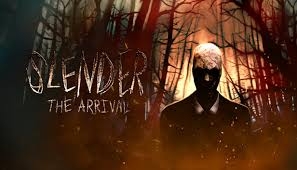
There’s a specific kind of silence that only happens after turning off a horror games.
Not the relaxed quiet after finishing a movie. Something tighter than that. You notice the hallway outside your room. The shape of your coat hanging on a chair suddenly looks wrong. You tell yourself you’re too old to feel unsettled by fictional monsters, then avoid looking into the dark kitchen anyway.
I’ve never had a horror movie follow me around quite the same way.
A good horror game doesn’t just scare you for a few hours. It gets under your skin because it recruits you into the experience. You aren’t watching somebody open the basement door. You’re the one pressing the button.
That difference changes everything.
Fear Feels Different When You’re Responsible
The first time I noticed this was years ago while playing Silent Hill 2 late at night with headphones on. The game barely explained itself. Half the streets were buried in fog. Every hallway sounded alive.
Nothing particularly dramatic was happening at that exact moment, but I remember standing still in a hallway for nearly a minute because I genuinely didn’t want to move forward.
Movies can create tension, obviously. Great horror films are masters of anticipation. But games weaponize hesitation.
In horror games, fear often comes from responsibility rather than surprise. You’re managing inventory, checking corners, deciding whether to save ammunition, wondering if opening the next door is worth it. The anxiety builds because the game forces participation.
That’s why even mechanically simple horror games can feel overwhelming. A locked door becomes stressful because you have to try the handle. A distant sound matters because you might walk toward it.
There’s a reason players remember tiny moments from horror games so vividly. Not just boss fights or scripted scares, but awkward pauses. Wrong turns. Panic decisions.
I still remember wasting shotgun shells on shadows in Resident Evil because I convinced myself something was moving.
That memory sticks because it was my mistake.
For anyone interested in how game mechanics shape emotional reactions, [our breakdown of environmental tension systems] works surprisingly well alongside horror design discussions.
The Best Horror Games Understand Vulnerability
A lot of modern games make players feel powerful almost immediately. Horror tends to work in the opposite direction.
You’re weak. Slow. Confused. Sometimes intentionally under-equipped.
And honestly, that’s part of why horror games stand out in a medium obsessed with empowerment.
Think about how many memorable horror experiences revolve around limitation.
Low ammo in Resident Evil. The camera in Fatal Frame. Hiding in lockers in Outlast. The radio static in Silent Hill. Even walking simulators like Layers of Fear create tension by stripping away certainty rather than handing over control.
Good horror games understand that fear collapses when players become too comfortable.
There’s a balancing act, though. If players feel completely helpless, horror turns into frustration. If they feel too capable, the fear evaporates.
The strongest horror games sit somewhere in the middle. You survive by improvising, not dominating.
That feeling mirrors real anxiety more closely than most action games ever could. Real fear isn’t cinematic. It’s uncertainty mixed with incomplete information.
You think you heard something.
You’re not sure if you should run.
You keep going anyway.
Sound Design Does More Work Than Graphics
People talk about graphics constantly, but horror games have always depended more heavily on sound.
Some older horror titles still work today despite visibly aging visuals because audio bypasses rational thinking in a way graphics often can’t.
Footsteps behind you.
Metal scraping against concrete.
A creature that sounds too human.
Your brain fills in the rest.
One of the smartest things horror games do is force players to imagine danger before fully revealing it. Once a monster becomes familiar, fear usually starts fading. That’s why many games peak emotionally in their early sections.
The unknown is carrying most of the weight.
I remember playing Amnesia: The Dark Descent in a dim apartment during a thunderstorm years ago. Half the tension came from hearing things I couldn’t locate. I’d stop moving just to listen. Sometimes there was no actual threat nearby, but the uncertainty was enough.
That’s difficult to replicate in passive media because games tie sound directly to player movement and decision-making.
Silence becomes interactive.
Even save rooms in horror games become emotionally loaded because of sound cues. Fans instantly recognize the relief attached to certain music tracks. A safe room theme in Resident Evil feels almost physical after surviving twenty minutes of stress.
There’s a reason people revisit horror game soundtracks long after finishing the games themselves.
Horror Games Work Best When They’re Personal
The most effective horror rarely relies on gore alone.
The games that stay with people usually tap into something more intimate: isolation, grief, guilt, paranoia, loss of control.
That’s partly why psychological horror tends to age better than pure shock horror.
Cheap jump scares can still work. I’m not above admitting a sudden sound cue can absolutely ruin my evening. But jump scares alone rarely create lasting attachment.
Psychological horror does.
Silent Hill 2 remains influential because its monsters reflect emotional states rather than existing purely as enemies. SOMA unsettles players by forcing existential questions into gameplay. Visage succeeds because ordinary domestic spaces become emotionally hostile.
The fear becomes personal instead of external.
And players bring their own baggage into these experiences.
Someone afraid of deep water will experience underwater sections differently. A player dealing with anxiety may react more intensely to games that manipulate uncertainty or repetition. Horror games become strangely collaborative that way.
The game creates pressure, but the player’s imagination customizes it.
That’s also why discussing horror games with friends is often more interesting than discussing horror movies. Two people can walk away from the same game feeling completely different things.
One person remembers a monster.
Another remembers a sound.
Someone else remembers opening a door too slowly because they genuinely dreaded what might be behind it.
[Our retrospective on survival game pacing] touches on this idea from a different angle, especially the relationship between stress and player memory.
Streaming Changed Horror Games in Unexpected Ways
Watching people play horror games online has become its own form of entertainment, but I think streaming changed how developers approach fear too.
Older horror games often built slow, oppressive atmospheres because they expected players to sit alone with the experience for hours.
Modern horror sometimes feels more reactive. Louder scares. Faster pacing. More moments designed for visible reactions.
That isn’t automatically bad. Some contemporary horror games are incredibly effective. But there’s definitely a difference between horror designed for solitary immersion and horror designed to generate clips.
Ironically, though, streaming also proved how universal horror reactions are.
No matter how experienced someone is with games, fear tends to flatten personalities. People start bargaining with fictional spaces. They hesitate before opening doors. They nervously laugh while absolutely refusing to move forward.
You can watch a confident competitive player completely unravel in the right horror game.
That vulnerability is weirdly humanizing.
Why We Keep Coming Back to Horror
This is the part I still find difficult to explain.
Why voluntarily seek out discomfort?
Horror games stress people out. They create tension, anxiety, dread. Sometimes genuine exhaustion.
And yet players return constantly.
Part of it is controlled fear. Horror lets people experience intense emotion within safe boundaries. You can shut the game off whenever you want. Even when your body reacts strongly, part of your brain knows you’re safe.
But I think there’s something else happening too.
Good horror games sharpen attention.
You stop multitasking. You notice sound design. You study environments carefully. Your brain becomes unusually present because the game demands focus.
In a strange way, horror games can create some of the most immersive experiences in gaming precisely because they make players emotionally alert.
That emotional intensity creates stronger memories.
Most players forget average action sequences within weeks. But they remember the hallway they were afraid to walk through ten years ago.
That says something.
Maybe horror games linger because fear is one of the few emotions that fully occupies the mind. Or maybe players secretly enjoy confronting fictional versions of vulnerability in controlled spaces.
Either way, the best horror games don’t just scare people while they’re playing.
They wait until the screen goes dark, the room gets quiet, and somebody glances over their shoulder before heading to bed.
And honestly, isn’t that the real test of whether horror worked?
 Italiano
 English
 Arabic
 French
 Spanish
 Portuguese
 Deutsch
 Turkish
 Dutch
Dutch
 Russian
 Romaian
 Portuguese (Brazil)
 Greek
Greek
