


 Ban & Monetization Policy
 MyLiveRoom Rewards Program Rules & Eligibility
How Dermatologists Minimize Scarring During Minor Skin Surgery
For many patients, the biggest concern before any minor skin surgery is not the procedure itself — it is the fear of getting a visible scar afterward. Whether it is mole removal, cyst excision, wart removal, skin biopsy, or treatment of small skin growths, people naturally want their skin to heal smoothly with minimal marks.
The good news is that modern dermatology focuses not only on safely removing the skin concern but also on reducing the chances of noticeable scarring.
Scarring can never be completely guaranteed away because every person heals differently. However, dermatologists use evidence-based techniques, advanced instruments, and proper aftercare guidance to significantly reduce scar formation during minor skin surgery.
Why Minor Skin Surgery Can Leave Scars?
Whenever the skin is cut, treated, or removed, the body naturally starts a healing response. During this healing process, collagen fibers repair the skin tissue. This repair process creates a scar.
Even small procedures may leave a faint mark because the skin is rebuilding itself. However, the visibility of the scar depends on several factors such as:
· Depth of the procedure
· Location on the body
· Skin type and genetics
· Sun exposure during healing
· Wound care quality
· Tension on the treated skin
· Infection risk
· Smoking or poor nutrition
Dermatologists understand these factors and design treatment approaches accordingly.
The Dermatologist’s Approach to Scar Minimization
Scar prevention actually begins before the procedure starts. Skilled dermatologists evaluate the skin carefully and choose techniques that prioritize both medical safety and cosmetic healing.
Careful Assessment Before Surgery
Before performing even a minor procedure, dermatologists examine:
· Skin thickness
· Body area involved
· Natural skin tension lines
· History of keloids or hypertrophic scars
· Previous healing patterns
· Current medications and medical conditions
This planning stage helps reduce unnecessary trauma to the skin.
Choosing the Right Surgical Technique
Different skin concerns require different removal methods. Dermatologists choose techniques that create the least amount of tissue damage possible.
Depending on the condition, they may use:
· Punch excision
· Shave removal
· Laser-assisted procedures
· Radiofrequency devices
· Small surgical excisions
· Electrocautery techniques
The goal is always to remove the lesion effectively while preserving healthy surrounding skin.
How Incision Placement Helps Reduce Scars?
One of the most overlooked aspects of scar prevention is incision direction.
Dermatologists often place incisions along natural skin tension lines, also called relaxed skin tension lines. When cuts follow these natural folds and creases, scars usually heal flatter and become less visible over time.
This is especially important on:
· Face
· Neck
· Shoulders
· Chest
· Joints
Improper incision placement can create wider or more noticeable scars due to skin pulling during movement.
Modern Tools That Help Minimize Skin Damage
Advanced dermatology clinics use precision instruments designed to reduce unnecessary trauma.
Fine Surgical Instruments
Specialized dermatologic surgical tools create cleaner cuts with minimal tissue injury. Cleaner wounds generally heal more effectively.
Laser and Radiofrequency Technology
Some minor procedures can be performed using laser or radiofrequency devices instead of traditional scalpel techniques. These methods may reduce bleeding, inflammation, and tissue disruption in selected cases.
Magnification and Precision Techniques
Dermatologists often use magnification systems for delicate procedures, especially on facial skin. Greater precision can improve cosmetic healing.
The Importance of Proper Stitching Techniques
Suturing technique plays a major role in scar appearance.
Dermatologists use methods that reduce skin tension and help wound edges heal evenly.
Layered Closure Techniques
For deeper wounds, internal stitches may be placed beneath the skin surface to support healing and reduce pressure on the outer skin.
Fine Cosmetic Sutures
Thin sutures are often preferred on visible body areas because they help create narrower scars.
Timely Suture Removal
Keeping stitches in for too long may increase stitch marks. Dermatologists decide the ideal removal timing based on body location and healing progress.
Why Post-Surgery Care Matters So Much?
Even the best surgical technique can lead to poor cosmetic results if aftercare is ignored.
Dermatologists provide detailed wound care instructions because proper healing support directly affects scar quality.
Keeping the Wound Clean
Clean wounds are less likely to become infected. Infection significantly increases the risk of noticeable scarring.
Maintaining Moisture Balance
Modern dermatology no longer recommends letting wounds “dry out.” Studies suggest that moist wound healing environments may support better skin repair.
Avoiding Excessive Sun Exposure
UV exposure can darken healing scars and make them more noticeable for months. Sunscreen and physical sun protection are extremely important after minor skin surgery.
Reducing Friction and Tension
Stretching, rubbing, or scratching healing skin can worsen scar formation.
Silicone-Based Scar Management
Many dermatologists recommend silicone gels or silicone sheets after wound closure has healed sufficiently.
Silicone-based products are commonly used because they may help:
· Flatten raised scars
· Reduce redness
· Improve hydration
· Minimize itching
· Support smoother scar maturation
These treatments are often used for several weeks or months depending on the scar type.
How Dermatologists Handle Patients Prone to Keloids?
Some individuals naturally develop raised or thick scars called keloids or hypertrophic scars.
If a patient has a history of abnormal scarring, dermatologists may take additional preventive measures.
Preventive Steroid Injections
In some cases, corticosteroid injections may be used to reduce excessive scar tissue formation.
Pressure Therapy or Silicone Therapy
Additional scar prevention methods may be recommended for high-risk patients.
Close Monitoring During Healing
Frequent follow-up visits allow dermatologists to identify abnormal scar formation early.
An experienced Dermatologist In Roorkee carefully plans every stage of treatment, from incision placement to post-procedure wound care, to help achieve the best cosmetic outcome possible.
Can Scars Be Completely Avoided?
No ethical dermatologist can guarantee completely scar-free healing after skin surgery.
Any procedure that affects deeper skin layers can potentially leave some mark. However, in many cases, scars become very small, flat, and barely noticeable with proper treatment and aftercare.
The final appearance depends on:
· Skin type
· Healing response
· Procedure type
· Body location
· Post-care compliance
· Sun protection habits
What Patients Should Avoid After Minor Skin Surgery?
Certain mistakes can worsen scarring significantly.
Picking at the Wound
Removing scabs prematurely can interrupt natural healing and increase scar formation.
Ignoring Follow-Up Visits
Dermatologists monitor healing progress and may adjust treatment if needed.
Using Harsh Home Remedies
Applying toothpaste, lemon, strong acids, or unverified remedies may irritate healing skin.
Skipping Sunscreen
Sun damage can make scars darker and more persistent.
Advanced Treatments if a Scar Still Develops
Even if a scar forms, dermatologists may offer treatments to improve its appearance later.
Laser Scar Reduction
Laser treatments may help reduce redness and improve texture.
Microneedling
Microneedling can stimulate collagen remodeling in selected scars.
Chemical Peels
Some superficial scars and pigmentation changes may improve with peels.
Scar Revision Procedures
In certain cases, surgical scar revision may create a more cosmetically acceptable result.
Expert Perspective: Why Choosing the Right Dermatologist Matters
Minor skin surgery may appear simple, but cosmetic healing requires experience, planning, and precision.
An experienced dermatologist understands:
· Skin anatomy
· Healing behavior
· Scar prevention strategies
· Cosmetic surgical techniques
· Post-operative skin management
This combination of medical expertise and aesthetic judgment often makes a major difference in long-term results.
Final Thoughts
Modern dermatology focuses not only on treating skin concerns but also on preserving healthy, natural-looking skin after procedures. Through careful surgical planning, precise techniques, advanced wound care, and evidence-based scar prevention methods, dermatologists work to minimize visible scarring as much as possible.
Patients also play an important role in the healing process. Following aftercare instructions, protecting the skin from sunlight, and attending follow-up visits can significantly improve final cosmetic outcomes.
If you are considering mole removal, cyst excision, wart treatment, biopsy, or any other minor skin surgery, consulting a qualified dermatologist can help you understand both the treatment process and the best strategies for minimizing scars safely and effectively.
For more info Consult with:
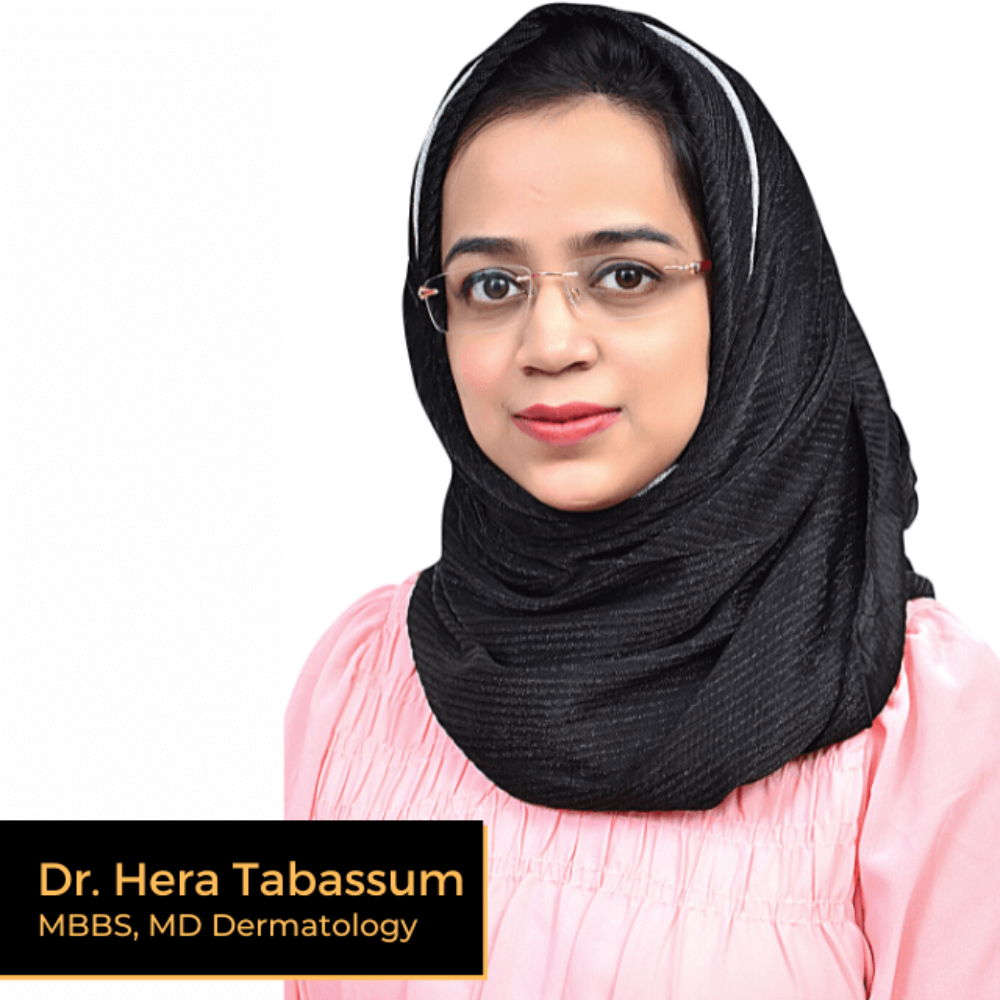
Dr. Hera Tabassum
Clinic: Dr Hera's Skin and Hair Clinic
Address: Dr Hera’s Skin & Hair Clinic, near Bank of India, Malviya chowk, Roorkee, Uttarakhand 247667
Phone: +91 70608 54824
Website: https://drheraskinclinic.com/
 English
 Arabic
 French
 Spanish
 Portuguese
 Deutsch
 Turkish
 Dutch
Dutch
 Italiano
 Russian
 Romaian
 Portuguese (Brazil)
 Greek
Greek
