


 Ban & Monetization Policy
 MyLiveRoom Rewards Program Rules & Eligibility
How Cybercriminals Use Fake Onion Mirrors to Steal Crypto
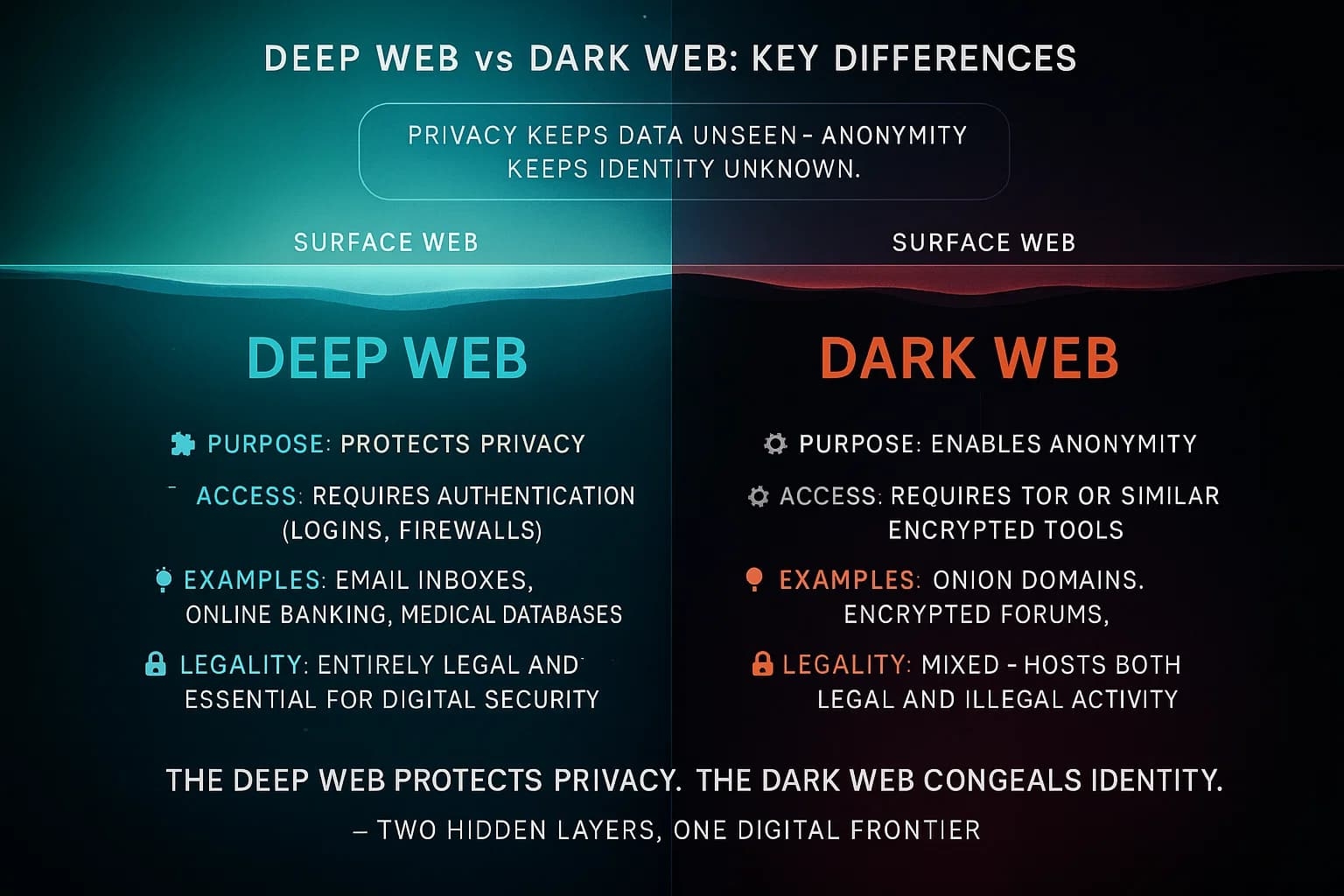
Did you know that over 80 % of the links you find on public "onion lists" are actually controlled by thieves who want your digital currency? Using the Tor browser feels like it should be private but the entry point is often where the danger hides. If you click a link that looks correct but is slightly different, you are likely walking into a trap designed to drain your wallet.
Cybercriminals use fake onion mirrors to steal crypto - creating perfect visual copies of popular marketplaces or forums. They wait for you to enter your login details or deposit funds into a wallet address they control - this guide explains how these scams operate and what you can do to keep your coins in your own hands.
Search Intent Analysis
Primary Keyword
Fake onion mirrors
Search Intent
Problem solving & Informational
Target Audience
Beginner to Intermediate Tor users
Core Problem
Users are losing funds to phishing sites that look identical to real darknet services.
Desired Outcome
Learn how to identify fakes and use verified directories safely.
⚡ Quick Answer
Fake onion mirrors are "man-in-the-middle" websites that look identical to real darknet sites but are owned by scammers. They steal crypto - replacing the site's real deposit addresses with their own and logging your private credentials. To stay safe, always verify your onion links through signed mirrors or trusted, long standing directories.
How Fake Onion Mirrors Work
A fake onion mirror is a website that acts as a proxy between you and the real service you want to visit. The scammer buys a domain that looks almost the same as the original. As an example, they might change one letter or number in a long string of characters. When you visit this fake link, the server sends your requests to the real site but changes the data on your screen in real time.
The main goal of these sites is financial theft - When you decide to buy something or fund your account, the fake site detects the Bitcoin or Monero address shown on the page. It instantly swaps that address for the scammer's wallet. You send the money thinking it goes to the market but it goes directly to the thief. Because blockchain transactions are permanent, you cannot get your money back once it is sent.
Scammers also use the mirrors to harvest usernames and passwords. If you use the same password on multiple sites, they can take over your accounts across the web - this is why understanding phishing onion site tactics is vital for anyone using the darknet for the first time.
Common Mirror Site Mistakes to Avoid
Many people lose money because they follow old habits from the regular internet. On the darknet, the rules are different - those are four common mistakes people make when looking for onion links
- Using Search Engines for Links
Many links on "onion search engines" are paid advertisements from scammers. Fix - Never trust a link just because it appears at the top of a search result. - Ignoring the URL Length
Scammers often use shorter V2-style links or slightly altered V3 links. Fix - Always double check every single character of the onion address before logging in. - Saving Links from Social Media
Reddit or X (Twitter) posts often contain "new mirrors" that are actually phishing traps. Fix - Only use links from a trusted review source or a signed PGP message. - Storing Funds on Market Wallets
Keeping crypto in a market account makes you a target for mirror scams. Fix - Only transfer the exact amount you need for a specific transaction.
How to Verify Onion Addresses Safely
The first step to safety is finding a reliable foundation - You should start with a directory that has a long history of being honest. Once you have a link, you need to check if the site is authentic. Many real darknet sites provide a PGP (Pretty Good Privacy) signature - this is a digital stamp that proves the site owner actually created the message or link you are seeing.
Next, you should use the "mirror" or "canary" page found on most reputable sites - this page lists all official links. You can copy these and save them in a private, encrypted text file on your computer - this way, you do not have to search for the link every time you want to visit the site. Avoiding the search process is the best way to avoid a fake mirror.
Finally, look for signs of a "man-in-the-middle" attack - If the site feels slow or if the Captcha images do not load correctly, close the browser. Scammers often have trouble mirroring complex security features perfectly. If something feels different about the layout or the login process, it is better to be safe and assume the site is a fake.
Best Practices for Darknet Navigation
Navigating the darknet safely requires a grounded approach. You are responsible for your own security because there are no banks to help you if things go wrong. Use these tips to stay secure
- Disable JavaScript
Many fake mirrors use scripts to track your mouse or capture your typing. Keep the Tor security slider on "Safest" - Use Two Factor Authentication (2FA)
Always enable PGP-based 2FA - this ensures that even if a fake mirror steals your password, they cannot enter your real account. - Verify Deposit Addresses
Before sending any crypto, refresh the page or check the address against a known safe mirror.
Remember that the darknet is a tool and like any tool, it is only as safe as the person using it. Scammers rely on your speed and lack of attention. If you take your time and verify every step, they cannot steal from you. Always assume a link is a fake until you prove it is real using PGP signatures.
Related Guides
- Fake Onion Mirrors for Beginners
- Common Problems with Phishing Links
- Best Tools for PGP Verification
- Beginner Setup Guide for Tor Browser
FAQ
How can I tell if an onion link is a fake mirror?
Check the characters in the URL against a verified source - If the site does not allow you to verify its PGP signature or if the deposit address changes every time you refresh, it is likely a fake mirror.
Can I get my crypto back if I sent it to a fake site?
No. Crypto transactions are one way and cannot be reversed. Once the coins are sent to a scammer's wallet, they are gone forever - this is why verification is the most important step.
Are all onion directories dangerous?
Not all but many are - Scammers often pay to have their fake links listed at the top. Use well known, community vetted directories and always cross reference links across multiple platforms.
Is the Tor browser enough to stay safe?
The Tor browser hides your location but it does not protect you from phishing. You must still be careful about which links you click and what information you enter into websites.
In summary, cybercriminals are very good at making fake sites that look like the real thing. They rely on users being in a hurry or not checking the URL carefully. By using PGP verification and trusted directories, you can protect your crypto and your personal data from the fake onion mirrors.
 Spanish
 English
 Arabic
 French
 Portuguese
 Deutsch
 Turkish
 Dutch
Dutch
 Italiano
 Russian
 Romaian
 Portuguese (Brazil)
 Greek
Greek
