


 Ban & Monetization Policy
 MyLiveRoom Rewards Program Rules & Eligibility
Vehicle EPR Registration and Compliance in India for End-of-Life Vehicles
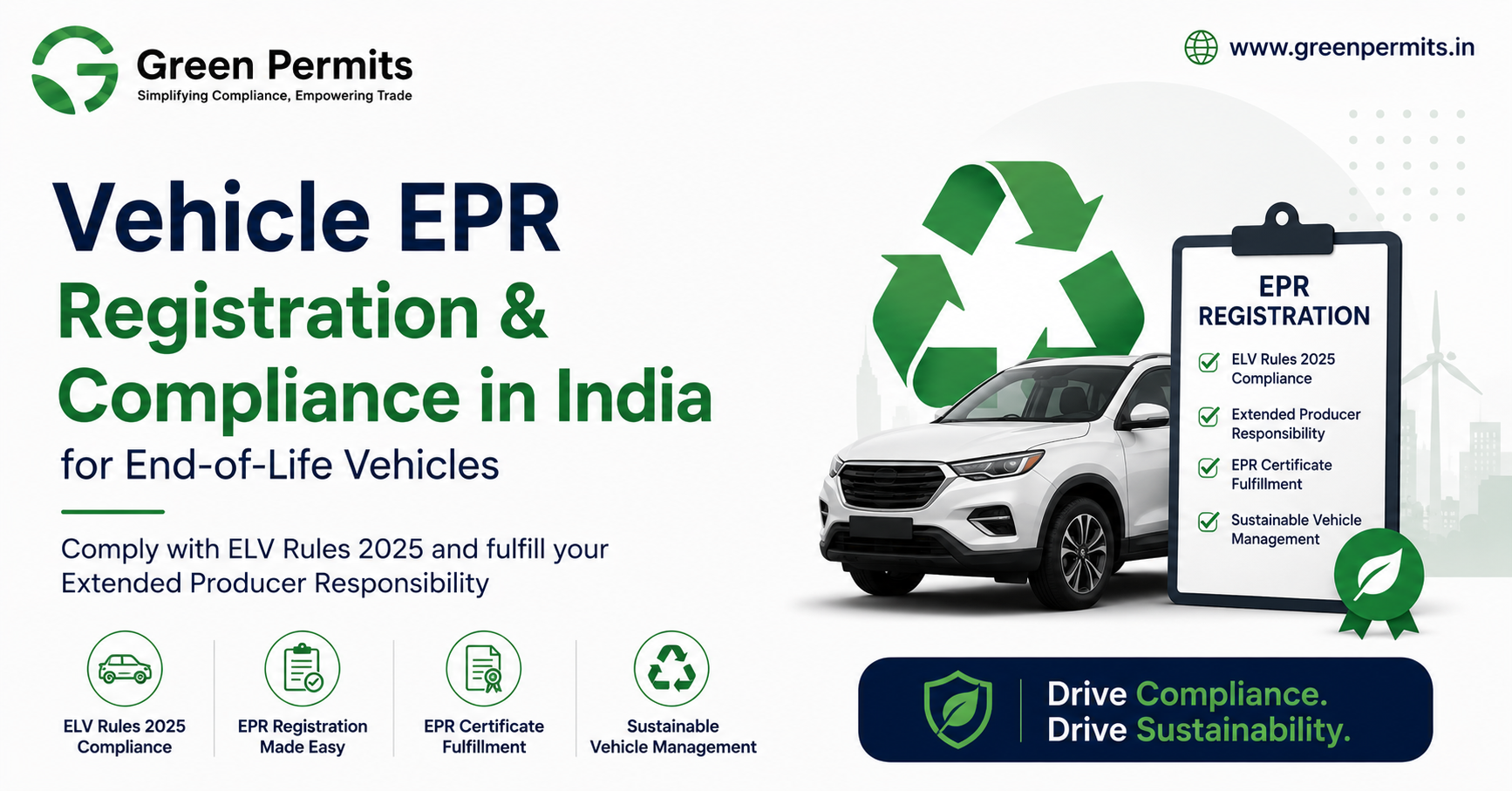
India’s automobile sector is expanding rapidly with increasing production and sales of passenger vehicles, commercial vehicles, electric vehicles, and transport equipment. Along with this growth, the management of End-of-Life Vehicles (ELVs) has become an important environmental concern. To improve scientific vehicle recycling and environmentally safe disposal practices, the government has introduced Vehicle EPR Registration and Compliance in India under the End-of-Life Vehicle management framework.
EPR stands for Extended Producer Responsibility, under which vehicle manufacturers, importers, and producers are responsible for fulfilling recycling obligations related to vehicles introduced into the market. The framework aims to promote sustainable dismantling, recycling, and recovery of materials from end-of-life vehicles.
Vehicle EPR compliance is becoming an important environmental requirement for businesses operating in the automobile sector in India.
Importance of Vehicle EPR Compliance
The Vehicle EPR framework has been introduced to ensure proper collection, dismantling, and recycling of end-of-life vehicles through authorized facilities. The system also helps reduce environmental pollution caused by abandoned or improperly processed vehicles.
Businesses operating without proper compliance may face regulatory notices, penalties, and environmental compliance risks.
The framework promotes responsible waste management and supports recovery of reusable materials such as steel, aluminum, plastics, rubber, and other vehicle components.
As environmental regulations continue to strengthen in India, vehicle producers are expected to maintain proper EPR compliance systems.
Who Requires Vehicle EPR Registration
Vehicle EPR registration generally applies to:
- Vehicle manufacturers
- Importers of vehicles
- Automobile producers
- Brand owners selling vehicles under their own name
The regulations apply to different vehicle categories including two-wheelers, three-wheelers, passenger vehicles, commercial vehicles, heavy motor vehicles, and electric vehicles.
Businesses introducing vehicles into the Indian market are required to fulfill annual EPR obligations based on the quantity and category of vehicles sold.
Process of Vehicle EPR Registration
The registration process is managed through the CPCB EPR portal developed for End-of-Life Vehicle management. Businesses are required to register and submit company details, vehicle sales data, and compliance-related information.
The process generally includes portal registration, submission of GST and company details, filing of vehicle-related information, verification by authorities, and grant of registration approval.
Vehicle producers are also required to fulfill their EPR obligations by purchasing EPR certificates generated through authorized Registered Vehicle Scrapping Facilities (RVSFs).
Proper documentation and compliance planning help businesses complete registration smoothly and avoid future compliance issues.
Role of Vehicle Recycling and Scrapping Facilities
Authorized scrapping and recycling facilities play an important role in the Vehicle EPR system. These facilities dismantle end-of-life vehicles and recover recyclable materials through environmentally safe processes.
The recycling system helps:
- Reduce landfill waste
- Improve material recovery
- Promote circular economy practices
- Reduce environmental pollution
- Strengthen organized vehicle recycling infrastructure
Vehicle manufacturers and producers are expected to coordinate with authorized recyclers for compliance fulfillment.
Growing Importance of ELV Compliance in India
India is strengthening environmental regulations related to automobile recycling and waste management. With increasing vehicle usage and rising scrap generation, authorities are focusing on building a formal recycling ecosystem for end-of-life vehicles.
At the same time, industries and consumers are becoming more conscious about sustainability and environmentally responsible manufacturing practices.
Businesses maintaining proper Vehicle EPR compliance can improve long-term operational stability and strengthen environmental credibility.
Learn the Complete Vehicle EPR Registration Process
If you are planning to apply for Vehicle EPR registration and compliance in India, understanding the CPCB process, EPR obligations, recycler requirements, and documentation is essential before starting operations.
Read the complete guide here:
👉 https://www.greenpermits.in/02/vehicle-epr-compliance-in-india-rules-targets-cpcb-process/
📞 Get Expert Assistance for Vehicle EPR Compliance
If you need assistance with Vehicle EPR registration, CPCB authorization, ELV compliance, recycler coordination, or environmental documentation, the experts at Green Permits Consulting can guide you throughout the complete process.
🌐 Website: https://www.greenpermits.in
📞 Phone: +91 78350 06182
📧 Email: wecare@greenpermits.in
 Portuguese (Brazil)
 English
 Arabic
 French
 Spanish
 Portuguese
 Deutsch
 Turkish
 Dutch
Dutch
 Italiano
 Russian
 Romaian
 Greek
Greek
