


 Ban & Monetization Policy
 MyLiveRoom Rewards Program Rules & Eligibility
First-Time Trade Show Exhibitor Tips That Actually Work for Creating a Memorable Booth Experience
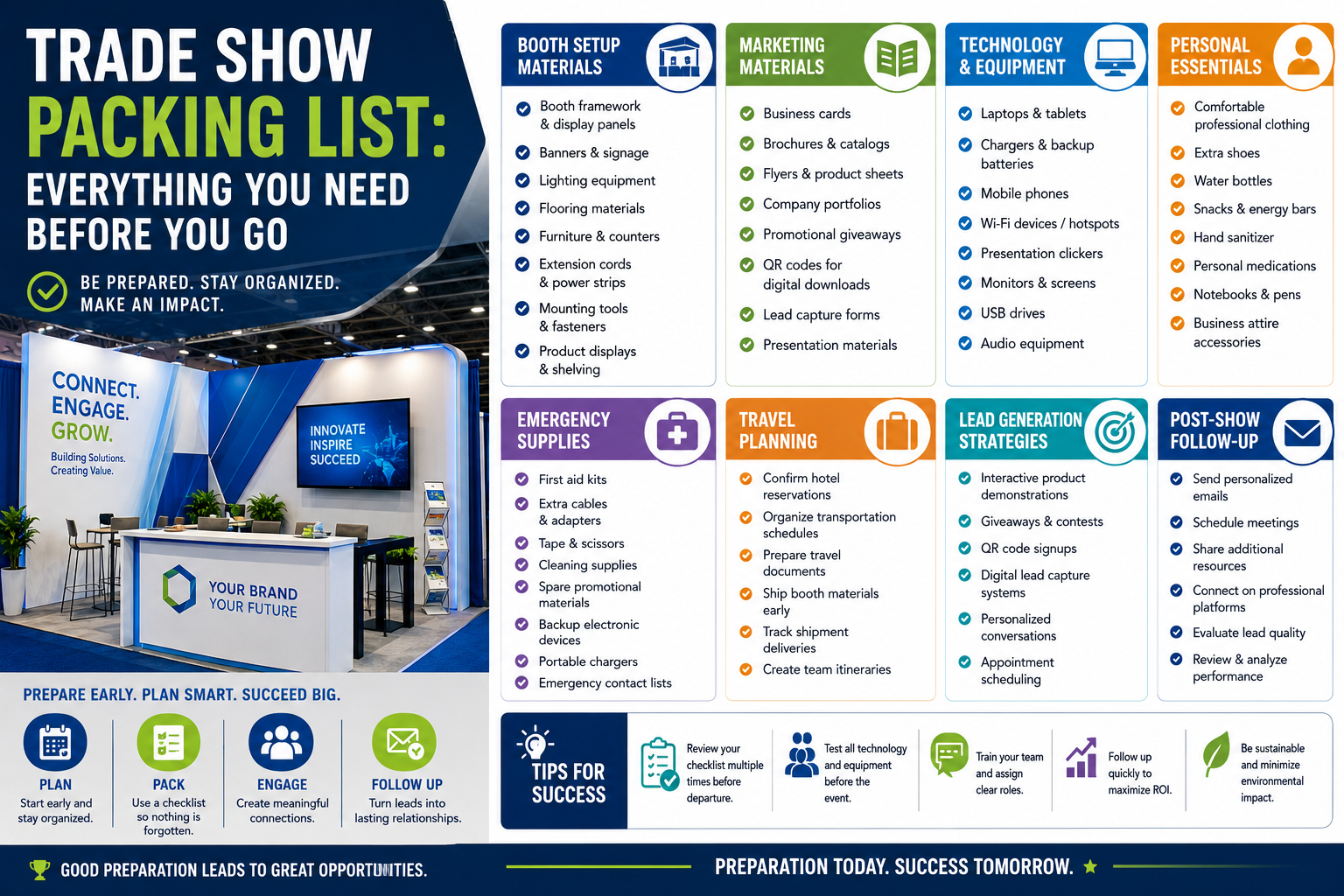
Trade shows are one of the best opportunities for businesses to connect directly with potential customers, showcase products, and increase brand awareness. However, for companies attending an exhibition for the first time, the process can feel overwhelming without proper planning. From selecting the right booth design to engaging attendees effectively, every detail plays an important role in overall success. Businesses that follow First-Time Trade Show Exhibitor Tips That Actually Work often experience better audience engagement, stronger networking opportunities, and higher-quality lead generation. Whether your goal is to launch a new product, grow your customer base, or establish credibility in your industry, preparing strategically can make your first trade show experience highly rewarding.
Why Trade Shows Are Important for New Exhibitors
Trade shows continue to be one of the most effective marketing platforms for businesses because they allow face-to-face interaction with customers and industry professionals. Unlike digital advertising, exhibitions provide opportunities for real-time conversations, live product demonstrations, and relationship building.
For first-time exhibitors, trade shows can help:
-
Increase brand visibility
-
Generate new business leads
-
Build customer trust
-
Understand industry trends
-
Study competitors
-
Launch products or services
-
Create networking opportunities
When executed properly, trade shows can deliver long-term business growth and valuable industry connections.
Set Realistic Goals Before the Event
One of the most important steps before attending a trade show is setting clear objectives. Without specific goals, it becomes difficult to measure success or plan effectively.
Your trade show goals may include:
-
Collecting qualified leads
-
Increasing product awareness
-
Booking sales meetings
-
Growing your email list
-
Strengthening brand recognition
-
Building distributor partnerships
Clear goals help shape your marketing strategy, booth design, and team preparation.
Research the Event Thoroughly
Not every trade show will be suitable for your business. Choosing the right event is critical for achieving meaningful results.
Before registering, research:
-
Audience demographics
-
Industry relevance
-
Event reputation
-
Number of exhibitors
-
Competitor participation
-
Expected attendance
-
Sponsorship opportunities
Attending a trade show that aligns closely with your target audience often provides better returns than participating in a larger but unrelated event.
Invest in an Attractive Booth Design
Your booth is the centerpiece of your exhibition presence. Attendees are surrounded by countless displays, so visual appeal is essential for capturing attention.
An effective booth should include:
-
Strong branding elements
-
High-quality graphics
-
Clear signage
-
Proper lighting
-
Interactive features
-
Organized layouts
-
Comfortable meeting space
Avoid overcrowding the booth with too much text or excessive decorations. Simplicity and clarity often create a stronger impact.
Focus on Brand Consistency
Brand consistency helps attendees recognize and remember your company more easily. Your booth, promotional materials, and staff presentation should all reflect a unified brand identity.
Use:
-
Consistent brand colors
-
Matching logos
-
Professional banners
-
Branded marketing materials
-
Coordinated staff attire
A cohesive presentation creates a more professional and trustworthy image.
Train Your Staff Effectively
Your team plays a major role in determining your trade show success. Even a visually impressive booth may fail if staff members are unprepared or disengaged.
Your booth staff should:
-
Understand products thoroughly
-
Communicate clearly
-
Engage attendees confidently
-
Handle objections professionally
-
Qualify leads efficiently
Encourage staff to remain approachable, enthusiastic, and attentive throughout the event.
Prepare a Strong Elevator Pitch
Trade show conversations are usually brief, making it essential to communicate your value quickly.
Your elevator pitch should explain:
-
What your business does
-
What problems you solve
-
Why your solution is valuable
-
What makes your company different
Keep the message concise, natural, and easy to remember.
Use Pre-Event Marketing Strategies
Many first-time exhibitors make the mistake of relying solely on walk-in traffic. Pre-event marketing can significantly improve booth attendance and audience engagement.
Promote your participation through:
-
Email campaigns
-
Social media posts
-
LinkedIn announcements
-
Website banners
-
Event newsletters
-
Press releases
Inviting prospects to visit your booth before the event begins increases your chances of generating quality leads.
Create Interactive Booth Experiences
Interactive booths naturally attract more visitors than static displays. People are more likely to remember brands that offer engaging experiences.
Interactive ideas include:
-
Product demonstrations
-
Live presentations
-
Digital touchscreens
-
Virtual reality experiences
-
Giveaway contests
-
Interactive games
Engagement creates stronger brand recall and encourages longer visitor interactions.
Offer Valuable Promotional Materials
Printed marketing materials remain useful during trade shows because attendees often review collected information after the event ends.
Useful materials include:
-
Brochures
-
Flyers
-
Product catalogs
-
Business cards
-
Promotional giveaways
Ensure your materials:
-
Highlight key benefits
-
Include clear contact details
-
Use professional design
-
Match your booth branding
Simple and visually appealing content is usually more effective than lengthy text-heavy materials.
Choose the Right Promotional Giveaways
Trade show giveaways can help attract booth traffic and improve brand recognition. However, the most effective giveaways are useful and relevant to your audience.
Popular giveaway ideas include:
-
Branded notebooks
-
Water bottles
-
USB drives
-
Tote bags
-
Phone accessories
-
Eco-friendly products
High-quality giveaways create a more positive impression of your brand.
Use Technology to Improve Engagement
Technology can enhance visitor experiences and modernize your booth presentation.
Useful technology tools include:
-
Interactive displays
-
Lead capture apps
-
QR code scanning
-
Digital catalogs
-
Presentation screens
-
Live demos
Technology can also simplify lead management and improve data collection during the event.
Focus on Lead Collection and Qualification
Collecting business cards without proper organization can lead to missed opportunities. Successful exhibitors use structured lead management systems.
Effective lead collection methods include:
-
Badge scanning
-
Digital forms
-
Tablet registration
-
CRM integration
-
Mobile lead apps
Categorize leads based on interest level and follow-up urgency for better post-show communication.
Build Relationships Instead of Selling Aggressively
Many attendees dislike overly aggressive sales tactics. Instead of focusing only on immediate sales, prioritize building genuine relationships.
Successful conversations involve:
-
Asking questions
-
Understanding customer challenges
-
Offering solutions
-
Providing useful insights
-
Listening actively
Relationship-focused interactions often produce stronger long-term business opportunities.
Stay Active on Social Media During the Event
Social media marketing should continue throughout the trade show.
Post:
-
Live booth updates
-
Product showcases
-
Team photos
-
Event highlights
-
Customer interactions
-
Behind-the-scenes content
Using official event hashtags can help increase your online visibility and attract additional visitors.
Understand the Importance of Booth Placement
Booth location can strongly influence traffic and visibility. Prime locations usually receive more attendee attention.
Ideal locations include:
-
Near entrances
-
Along main aisles
-
Adjacent to major exhibitors
-
Close to seminar stages
-
Near food areas
Although premium locations may cost more, they often provide better exposure and networking opportunities.
Manage Your Budget Carefully
Trade show participation involves multiple expenses beyond booth rental.
Typical costs include:
-
Booth design
-
Shipping and logistics
-
Travel expenses
-
Accommodation
-
Marketing materials
-
Staff expenses
-
Technology rentals
Creating a detailed budget helps prevent overspending and improves ROI tracking.
Prepare for Unexpected Challenges
Trade shows can involve unexpected issues such as shipping delays, equipment failures, or staffing problems.
Prepare backup plans for:
-
Technology issues
-
Missing supplies
-
Presentation problems
-
Internet failures
-
Product shortages
Being prepared for challenges helps reduce stress and maintain professionalism during the event.
Observe Competitors and Industry Trends
Trade shows provide valuable learning opportunities. Spend time observing competitor booths and industry trends.
Pay attention to:
-
Booth designs
-
Marketing messages
-
Product displays
-
Visitor engagement strategies
-
Promotional tactics
Competitive analysis can help improve future exhibition planning.
Follow Up Promptly After the Event
The trade show does not end when the exhibition closes. Post-event follow-up is one of the most important steps in converting leads into customers.
Effective follow-up strategies include:
-
Personalized emails
-
Thank-you messages
-
Product information
-
Meeting requests
-
Social media connections
-
Phone calls
Quick follow-up keeps your business fresh in attendees’ minds and improves conversion opportunities.
Measure Your Trade Show Performance
Analyzing results helps determine whether your exhibition goals were achieved.
Track metrics such as:
-
Leads generated
-
Booth traffic
-
Sales conversions
-
Social media engagement
-
Meetings scheduled
-
Revenue opportunities
Reviewing performance helps identify strengths and areas for improvement before future events.
Long-Term Benefits of Trade Show Participation
Trade shows provide benefits that extend far beyond immediate lead generation.
Long-term advantages include:
-
Stronger brand authority
-
Increased industry credibility
-
Expanded professional networks
-
Customer relationship development
-
Improved market understanding
Consistent trade show participation can become an important part of long-term business growth.
Final Thoughts
Exhibiting at a trade show for the first time can feel challenging, but proper planning and preparation can turn the experience into a major business opportunity. From booth design and branding to networking and lead management, every detail contributes to overall success. Businesses that approach exhibitions strategically often generate stronger audience engagement, better visibility, and higher-quality leads. By focusing on preparation, professionalism, and relationship building, first-time exhibitors can create memorable experiences that support long-term growth. To improve your next exhibition strategy, explore these First-Time Trade Show Exhibitor Tips That Actually Work prepare for a successful and rewarding trade show experience.

 English
 French
 Spanish
 Portuguese
 Deutsch
 Turkish
 Dutch
Dutch
 Italiano
 Russian
 Romaian
 Portuguese (Brazil)
 Greek
Greek
