


 Ban & Monetization Policy
 MyLiveRoom Rewards Program Rules & Eligibility
The Growing Role of Battery Storage for Residential Solar in Everyday Life
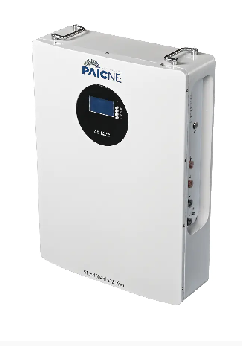
In recent years, homeowners have started looking beyond simply lowering electricity bills with solar panels. Many families now want reliable power after sunset and protection during unexpected outages, which explains why battery storage for residential solar is becoming an integral part of more home energy systems. Solar panels generate electricity during the day, and any unused energy charges the battery instead of flowing back to the grid. Later, the stored electricity can power essential household devices like lights, refrigerators, Wi-Fi equipment, and televisions. Many modern systems now use lithium iron phosphate batteries because they handle repeated charging well and require less maintenance, with options ranging from wall-mounted units to stackable designs suitable for different home layouts.
One reason homeowners are paying attention to battery storage for residential solar is that solar production and energy consumption rarely coincide. Panels usually produce peak output around midday, while families often use the most electricity in the evening. Without storage, excess daytime energy is exported to the grid at low compensation rates, and electricity is later purchased back at higher prices. As time-of-use utility pricing expands and extreme weather increases outage concerns, storage systems provide more control over electricity costs while offering backup capability during blackouts. During an outage, a home with battery storage for residential solar continues operating by drawing electricity from the battery, allowing refrigerators, internet equipment, LED lighting, and small appliances to remain functional. Sunny weather the next day allows the panels to recharge the battery, continuing to support the home automatically.
Over a typical day, the battery charges when solar production exceeds usage and discharges in the evening to power the household. Compared with solar-only systems, solar-plus-storage homes rely less on utility electricity, enjoy higher self-consumption of solar energy, and maintain backup during outages, though initial installation costs are higher. Buyers should carefully consider usable capacity, cycle life, output rating, and expansion flexibility, as these factors determine how long the battery lasts and how many appliances can run simultaneously. Modern lithium iron phosphate batteries can often handle thousands of cycles, making them suitable for long-term use.
While the upfront cost of battery storage for residential solar remains significant, many view it as a long-term investment rather than a short-term expense. Federal incentives and regional rebates can offset installation costs, while rising utility prices make energy storage increasingly valuable. For homeowners, storing solar energy now offers practical benefits in managing electricity costs, improving backup power, and increasing the value of rooftop solar systems. With utility pricing changes and more frequent outages, investing in battery storage for residential solar is becoming a sensible choice for everyday energy management.
 Russian
 English
 Arabic
 French
 Spanish
 Portuguese
 Deutsch
 Turkish
 Dutch
Dutch
 Italiano
 Romaian
 Portuguese (Brazil)
 Greek
Greek
