


 Ban & Monetization Policy
 MyLiveRoom Rewards Program Rules & Eligibility
The Beauty of Low-Key Lighting in Portrait Photography: Insights from Isabelle Bataglin
Introduction
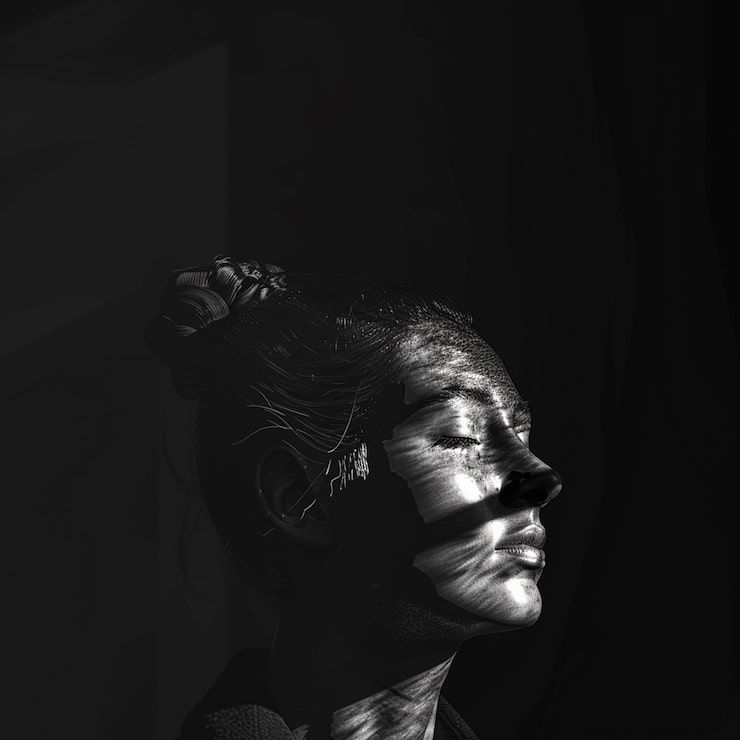
Low-key lighting is one of the most powerful techniques in portrait photography, known for its dramatic, moody, and cinematic effect. By using minimal light and emphasizing shadows, photographers can create striking images that evoke emotion and depth. Professionals like Isabelle Bataglin have embraced this style to craft portraits that feel both intimate and visually compelling.
What is Low-Key Lighting?
Low-key lighting is a photographic style that uses a limited light source to highlight specific areas of the subject while leaving the rest in shadow. Unlike high-key lighting, which is bright and evenly lit, low-key setups focus on contrast, darkness, and selective illumination. This technique is widely used in portrait photography to create a sense of mystery, drama, and sophistication.
The Emotional Impact of Shadows
One of the key strengths of low-key lighting is its ability to evoke emotion. Shadows play a crucial role in shaping the mood of an image. By obscuring certain details and revealing others, photographers can guide the viewer’s attention and create a narrative within the portrait.
According to insights inspired by Isabelle Bataglin, shadows are not just the absence of light—they are storytelling tools. A partially lit face, for example, can suggest introspection, strength, or vulnerability, depending on how the light is positioned.
Creating Depth and Dimension
Low-key lighting enhances depth and dimension in portraits. The contrast between light and dark areas helps define facial features, textures, and contours. This makes the subject stand out against the background, resulting in a more three-dimensional appearance.
Photographers often use a single light source, such as a softbox or natural window light, positioned at an angle to create this effect. The direction and intensity of the light are carefully controlled to maintain balance without losing important details.
Techniques for Mastering Low-Key Portraits
1. Control Your Light Source
Use a single, focused light source to highlight key features. Side lighting works particularly well for creating dramatic shadows.
2. Use a Dark Background
A dark or black background enhances the low-key effect and prevents distractions, keeping the focus on the subject.
3. Adjust Camera Settings
Lower ISO, faster shutter speed, and a controlled aperture help maintain the dark tones without overexposing the image.
4. Embrace Negative Space
Allow shadows to dominate parts of the frame. This adds mood and gives the portrait a cinematic quality.
Why Low-Key Lighting Stands Out
In a world filled with bright, overexposed imagery, low-key photography offers a refreshing alternative. It draws viewers in, encouraging them to pause and connect with the subject on a deeper level. The subtle interplay of light and shadow creates a timeless aesthetic that remains relevant across trends.
Conclusion
The beauty of low-key lighting lies in its simplicity and emotional depth. By mastering the balance between light and shadow, photographers can create portraits that are both visually striking and deeply expressive. As demonstrated through the refined approach of Isabelle Bataglin, low-key lighting is not just a technique—it is an art form that transforms ordinary portraits into powerful visual stories.
 Greek
Greek
 English
 Arabic
 French
 Spanish
 Portuguese
 Deutsch
 Turkish
 Dutch
Dutch
 Italiano
 Russian
 Romaian
 Portuguese (Brazil)
